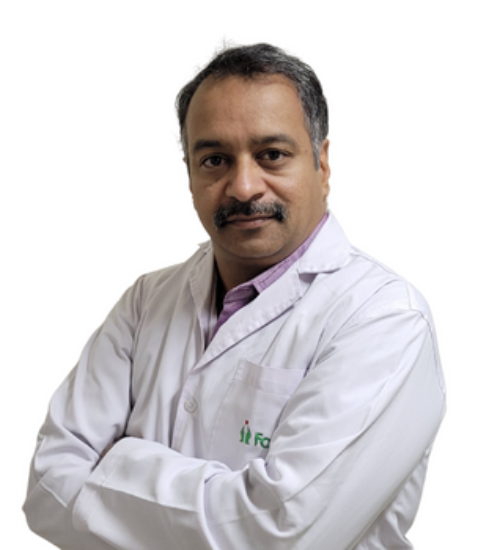
Dr. Amish Mhatre - Consultant – Vascular Surgery

Dr. Amish Mhatre – Vascular and Endovascular Surgeon in Mumbai

Vascular Surgery

Consultant – Vascular Surgery

26+ years

Fortis Hospitals

Mumbai

5.0★★★★★3 reviews

Dr. Amish Mhatre – Vascular and Endovascular Surgeon in Mumbai

Dr. Amish Mhatre is a Consultant in Vascular Surgery at Fortis Hospital Mulund, Mumbai. His clinical practice focuses on diseases affecting arteries and veins, with particular expertise in vascular access procedures for patients requiring long-term haemodialysis. His professional training includes general surgery, peripheral vascular surgery and specialised endovascular techniques used to treat selected vascular conditions.

Dr. Mhatre completed his MBBS from Shivaji University, Kolhapur, followed by an MS in General Surgery from Pune University. His additional qualifications include a DNB in Peripheral Vascular Surgery and Fellowship in Vascular Surgery. He also underwent endovascular surgery training at Nizam's Institute of Medical Sciences, Hyderabad, an important part of his specialist surgical background.

One of Dr. Mhatre's documented areas of expertise is vascular access surgery for patients undergoing maintenance haemodialysis. Arteriovenous fistula creation involves establishing a connection between an artery and a vein to provide reliable vascular access for dialysis treatment. A supplementary professional profile reports that he has performed more than 8,000 vascular access procedures. This procedural volume should be confirmed before being used as an independently verified achievement.

His broader vascular surgery practice includes assessment and treatment of peripheral arterial disease and chronic venous conditions. Peripheral arterial disease occurs when blood flow through the arteries supplying the limbs becomes reduced, potentially causing walking-related leg pain, impaired wound healing or more serious complications. Management depends on the severity of circulation problems and may include medication, risk-factor control or vascular intervention.

Dr. Mhatre's professional interests also include endovascular procedures, varicose vein treatment, deep vein thrombosis assessment and peripheral angioplasty. Endovascular techniques use catheters and imaging guidance to treat selected blood vessel disorders through minimally invasive approaches. Appropriate treatment is determined after reviewing symptoms, vascular imaging, associated medical conditions and the patient's overall procedural risk.

Fortis Healthcare identifies Dr. Amish Mhatre as a vascular surgeon practising at its Mulund facility in Mumbai. Supplementary medical profiles also describe his involvement in medical education, vascular surgery research and professional conferences. Patients seeking evaluation for dialysis vascular access, peripheral arterial disease or venous disorders can enquire about his current consultation arrangements and available procedures at the appropriate hospital.

Other Information

Arteriovenous Fistula (AV Fistula) Creation

An arteriovenous fistula is a surgically created connection between an artery and a vein, usually in the arm, to provide long-term vascular access for haemodialysis. The procedure allows a vein to develop sufficiently for repeated dialysis needle placement. Suitability depends on blood vessel quality, ultrasound mapping and the patient's medical condition.

Haemodialysis Vascular Access Surgery

Haemodialysis vascular access surgery creates or maintains a reliable route for blood circulation through a dialysis machine. Options may include an arteriovenous fistula or synthetic graft, depending on individual vessel anatomy. Assessment considers existing vascular access, dialysis requirements, blood flow and the risk of infection or thrombosis.

Peripheral Arterial Disease Management

Peripheral arterial disease occurs when narrowed arteries reduce blood supply to the limbs, particularly the legs. Symptoms may include walking-related calf pain, cold extremities or poorly healing wounds. Management includes vascular assessment, lifestyle changes, cardiovascular risk reduction and procedures such as angioplasty or surgery when clinically indicated.

Endovascular Surgery

Endovascular surgery treats selected blood vessel disorders using catheters and specialised instruments introduced through small vascular access points. Imaging helps guide treatment within the affected artery or vein. Procedures may include angioplasty, stenting or other vascular interventions, depending on the diagnosis, anatomy and overall patient risk.

Varicose Vein Treatment

Varicose veins are enlarged, twisted veins that commonly develop in the legs because of abnormal venous valve function. Symptoms may include heaviness, swelling, discomfort or skin changes. Treatment options include compression therapy, lifestyle measures and selected procedures such as endovenous ablation or other vein interventions.

Endovenous Laser Ablation

Endovenous laser ablation is a minimally invasive procedure used to treat selected superficial veins affected by venous reflux. Laser energy is delivered through a catheter to close the abnormal vein. Ultrasound assessment helps determine suitability, while treatment planning considers symptoms, vein anatomy and other medical conditions.

Radiofrequency Ablation for Varicose Veins

Radiofrequency ablation uses controlled heat delivered through a catheter to close selected veins with abnormal blood flow. It is commonly considered for symptomatic superficial venous reflux. The procedure is generally guided by ultrasound, and patient selection depends on vein anatomy, circulation, symptoms and treatment goals.

Deep Vein Thrombosis (DVT) Management

Deep vein thrombosis occurs when a blood clot forms within a deep vein, commonly in the leg. Symptoms may include swelling, pain or warmth, although some patients have no symptoms. Assessment often involves venous ultrasound. Treatment usually includes anticoagulation, with selected severe cases requiring additional specialist intervention.

Peripheral Angioplasty

Peripheral angioplasty is a catheter-based procedure used to widen selected narrowed or blocked arteries outside the heart. A balloon is inflated within the affected vessel to improve blood flow. The procedure may be considered for severe limb symptoms or circulation-related complications after vascular imaging and clinical assessment.

Peripheral Arterial Stenting

Peripheral arterial stenting involves placing a small expandable support device within a narrowed artery to help maintain blood flow after vascular intervention. It may be considered for selected peripheral arterial lesions. The decision depends on vessel location, disease extent, symptoms and the expected durability of treatment.

Diabetic Foot Vascular Assessment

Diabetic foot problems may result from impaired circulation, nerve damage, infection or a combination of factors. Vascular assessment helps identify arterial disease that may interfere with wound healing. Treatment can involve medical management, wound care, infection treatment and selected vascular procedures to improve blood flow.

Carotid Artery Disease Assessment

Carotid artery disease involves narrowing of arteries supplying blood to the brain and may increase stroke risk. Evaluation can include ultrasound and other vascular imaging. Treatment depends on the severity of narrowing, symptoms and overall health, and may involve medication or carefully selected vascular interventions.

Aortic Aneurysm Assessment

An aortic aneurysm is an abnormal enlargement of the aorta, the body's main artery. Evaluation focuses on aneurysm size, location, growth and associated risk factors. Depending on the findings, management may involve monitoring, cardiovascular risk reduction or referral for open or endovascular repair.

Vascular Trauma Management

Vascular trauma occurs when blood vessels are injured because of accidents, penetrating wounds or other physical damage. Serious injuries may cause bleeding or loss of circulation to an affected limb. Emergency treatment focuses on controlling bleeding, assessing tissue perfusion and repairing damaged vessels when required.

Chronic Venous Insufficiency Management

Chronic venous insufficiency occurs when leg veins cannot efficiently return blood toward the heart, often because their valves are damaged. Symptoms may include swelling, heaviness, skin pigmentation or venous ulcers. Treatment can involve compression, exercise and procedures to address significant superficial venous reflux.

Lymphedema Assessment

Lymphedema is persistent swelling caused by impaired drainage of lymphatic fluid, commonly affecting the arms or legs. Evaluation helps distinguish lymphatic swelling from venous and other causes. Management typically includes compression, specialised physical therapy, skin care and treatment of associated conditions when present.

Education & Qualifications

MBBS, MS (General Surgery), DNB (Peripheral Vascular Surgery), Fellowship in Vascular Surgery (FIVS)

Services

Arteriovenous Fistula Creation, Haemodialysis Vascular Access Surgery, Peripheral Arterial Disease Management, Endovascular Surgery, Varicose Vein Treatment, Endovenous Laser Ablation, Radiofrequency Ablation, Deep Vein Thrombosis Management, Peripheral Angioplasty, Peripheral Arterial Stenting, Diabetic Foot Vascular Assessment, Carotid Artery Disease Assessment, Aortic Aneurysm Assessment, Vascular Trauma Management, Chronic Venous Insufficiency Management, Lymphedema Evaluation.

Patient Testimonials

What Patients Say About Dr. Amish Mhatre

Genuine patient experiences and treatment feedback.

5.0
3 reviews
A

Amit Kulkarni

Verified

Navi Mumbai • Peripheral Arterial Disease

5.0

Understanding Leg Circulation Problems

I approached Dr. Amish Mhatre in this fictional consultation because of walking-related leg discomfort. The discussion covered blood circulation testing, cardiovascular risk factors and circumstances where vascular procedures might be considered. It helped me prepare questions about further assessment and treatment.

P

Priya Shah

Verified

Thane • Varicose Vein Assessment

5.0

Varicose Vein Assessment

I visited Dr. Amish Mhatre in this illustrative example to discuss leg heaviness and varicose veins. The consultation explored ultrasound evaluation and treatment options, including compression and minimally invasive procedures. It helped me understand why treatment depends on vein anatomy and symptom severity.

R

Rahul Mehta

Verified

Mumbai • AV Fistula Consultation

5.0

Understanding Dialysis Access Surgery

I consulted Dr. Amish Mhatre in this fictional scenario to understand AV fistula creation for a family member requiring dialysis. The discussion covered blood vessel assessment, surgical access and follow-up care. It helped us understand the questions to ask before choosing a suitable vascular access procedure.

Frequently Asked Questions

Quick answers to common questions about Dr. Amish Mhatre

01

Who is Dr. Amish Mhatre?

Dr. Amish Mhatre is a Consultant Vascular Surgeon at Fortis Hospital Mulund, Mumbai, with expertise in vascular access surgery, arterial and venous disease assessment and endovascular techniques.

02

What are Dr. Amish Mhatre's qualifications?

His qualifications include MBBS, MS in General Surgery, DNB in Peripheral Vascular Surgery and Fellowship in Vascular Surgery.

03

How many years of experience does Dr. Amish Mhatre have?

Fortis displays 14 years, while HexaHealth reports 26+ years. The exact overall experience needs confirmation before publication.

04

Does Dr. Amish Mhatre perform AV fistula surgery?

Yes. AV fistula surgery for haemodialysis access is a documented area of his expertise.

05

Does Dr. Amish Mhatre specialise in endovascular surgery?

Yes. Fortis confirms that he received endovascular training at Nizam's Institute of Medical Sciences, Hyderabad.

Still have questions about Dr. Amish Mhatre?

Contact us for personalized help or to schedule an appointment.