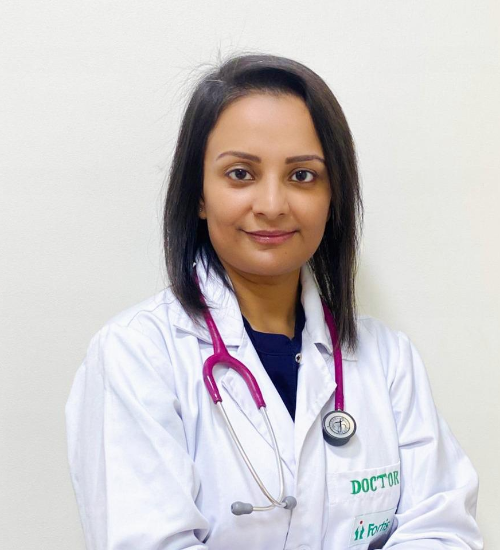
Paediatric intensive care focuses on the assessment and treatment of critically ill infants and children. Patients may require intensive monitoring when serious infection, respiratory failure, circulatory instability or other life-threatening conditions affect organ function. Management is coordinated by a specialist team and tailored to the child's diagnosis, age and clinical needs.
Critical care management involves supporting children with severe illness or injury who need continuous medical observation and rapid treatment. Care may include monitoring vital signs, administering appropriate medicines, managing fluids and supporting organ function. Treatment priorities depend on the severity of the condition and changes in the child's clinical status.
Neonatal critical care addresses serious health problems affecting newborn babies. These may include breathing difficulties, severe infections and circulatory complications. Assessment considers the baby's gestational age, vital signs and underlying condition. Treatment requires neonatal expertise, suitable monitoring equipment and coordination with the neonatal care team.
Paediatric cardiac critical care involves monitoring and managing children with serious heart-related conditions or circulatory instability. Treatment may require cardiac investigations, medication, respiratory support and coordination with paediatric cardiology or cardiac surgery specialists. The care plan depends on the underlying cardiac diagnosis and the child's overall clinical condition.
Paediatric resuscitation involves emergency interventions for children with severe breathing or circulatory problems. Appropriately trained teams may provide airway support, cardiopulmonary resuscitation, emergency medication and other life-saving measures according to established paediatric protocols. Serious emergencies require immediate hospital treatment rather than a routine consultation.
Transport medicine for critically ill children focuses on stabilising and safely transferring patients between healthcare facilities when specialist care is required. Assessment includes breathing, circulation, monitoring needs and potential complications during travel. Transfers require appropriate equipment and trained healthcare professionals, with arrangements based on the patient's medical condition.
Respiratory failure occurs when a child's lungs cannot adequately support oxygenation or ventilation. Causes may include severe respiratory infections, airway problems or other medical conditions. Treatment may involve oxygen, respiratory monitoring and assisted ventilation when necessary. Management depends on the underlying cause and clinical severity.
Sepsis is a life-threatening response to infection that can cause organ dysfunction. Children with suspected sepsis require urgent medical assessment, timely appropriate treatment and close monitoring. Management may involve antimicrobial medicines, circulatory support and investigation of the infection source within a hospital-based multidisciplinary team.
Acute encephalopathy involves a sudden disturbance in brain function that may affect consciousness, behaviour or neurological activity. Possible causes include severe infections, metabolic problems and inflammatory conditions. Evaluation requires urgent assessment and appropriate investigations. Treatment depends on the cause and may require paediatric neurology and intensive care support.
Seizures in children may result from fever, epilepsy, infection or other neurological conditions. Prolonged seizures or repeated seizures without recovery require emergency treatment. Assessment considers seizure duration, neurological findings and possible causes. Management may involve emergency medicines and further paediatric neurological investigations.
Mechanical ventilation is used when a child cannot maintain adequate breathing independently because of a serious medical condition. Ventilatory support requires appropriate equipment, skilled monitoring and ongoing reassessment. The treatment team determines the type and duration of support according to the child's respiratory status and underlying disease.
Fever in children can result from viral, bacterial or other medical conditions. Assessment considers age, symptoms, hydration and warning signs. The physician may recommend investigations when necessary. Treatment depends on the suspected cause, and infants or children showing signs of serious illness require prompt medical attention.
Asthma and other airway conditions can cause recurring cough, wheezing and breathing difficulty in children. Evaluation considers symptom patterns, triggers and relevant medical history. Treatment may involve inhaled medicines and follow-up. Severe breathing difficulty requires urgent assessment and may necessitate hospital-based respiratory support.
Vomiting and diarrhoea can cause dehydration in infants and children. Assessment considers fluid intake, urine output, clinical signs and illness severity. Management may involve oral rehydration or intravenous fluids when indicated. Children with severe dehydration, lethargy or other warning signs need prompt medical care.
Newborns and young children may develop infections that require careful evaluation because symptoms can be less specific than in adults. Assessment includes examining feeding, activity, temperature and other clinical findings. Serious infections may require hospital admission, appropriate investigations and specialist treatment.
General paediatric consultation focuses on assessing children's health concerns, including common illnesses, growth, feeding and developmental issues. Evaluation considers the child's age, symptoms and medical history. Further investigations or referral may be recommended when appropriate. Specialist intensive care services are reserved for children with serious conditions requiring hospital-based treatment.