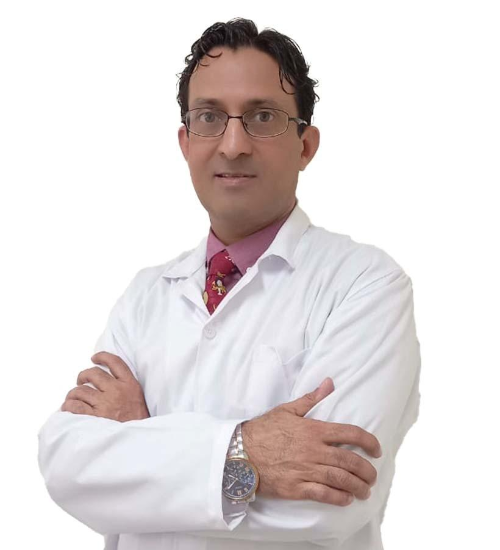
Dr. Atul Bhaskar - Consultant Paediatric Orthopaedic Surgeon

Dr. Atul Bhaskar – Paediatric Orthopaedic Surgeon in Navi Mumbai

Orthopedic

33 years

Fortis Hospitals, Vashi, Mumbai
5.0★★★★★3 reviews

Dr. Atul Bhaskar – Paediatric Orthopaedic Surgeon in Navi Mumbai

Dr. Atul Bhaskar is a Consultant Paediatric Orthopaedic Surgeon associated with Hiranandani Fortis Hospital, Vashi, Navi Mumbai. He specialises in the diagnosis and treatment of bone, joint, muscle and developmental orthopaedic conditions affecting infants, children and adolescents. His clinical interests include clubfoot, cerebral palsy, childhood hip disorders and complex limb deformities.

He completed his medical education and orthopaedic residency at Seth G. S. Medical College and KEM Hospital, Mumbai. He subsequently undertook advanced surgical training in the United Kingdom, completing his FRCS in General Surgery in 1999 and FRCS in Trauma and Orthopaedics in 2000.

Dr. Bhaskar received specialised paediatric orthopaedic training at The Hospital for Sick Children in Toronto, Canada. His training and clinical experience include the management of childhood developmental deformities, reconstructive surgery and long-term orthopaedic rehabilitation.

He has made significant academic contributions to the management of congenital clubfoot using the Ponseti technique. His research includes studies of clubfoot correction, recurrence patterns, hip conditions associated with cerebral palsy and treatment approaches for selected paediatric fractures.

His documented expertise also includes comprehensive cerebral palsy care, botulinum toxin injections, percutaneous aponeurotic procedures, multilevel surgery and correction of childhood limb deformities. He has participated in paediatric orthopaedic training programmes and published research on childhood musculoskeletal disorders.

Parents seeking a paediatric orthopaedic surgeon in Navi Mumbai may consult Dr. Bhaskar for congenital deformities, walking difficulties, hip conditions, developmental orthopaedic disorders and childhood bone or joint problems. Treatment planning considers the child's age, growth, functional needs and the suitability of conservative or surgical management.

Other Information

Clubfoot Treatment

Clubfoot is a congenital condition in which a baby's foot is turned inward and downward. Treatment commonly begins with the Ponseti method, involving gentle manipulation and serial casting. Some children also require a minor tendon procedure and prolonged bracing to maintain correction.

Ponseti Casting

The Ponseti method uses a series of carefully applied casts to gradually correct the position of a clubfoot. A small Achilles tendon procedure may be necessary in some cases. Continued use of prescribed braces is important for reducing the risk of recurrence.

Recurrent Clubfoot Management

Clubfoot can recur following initial treatment, especially if bracing is not followed as recommended. Management depends on the type and severity of recurrence and may involve repeat casting, additional bracing or selected surgical procedures.

Cerebral Palsy Orthopaedic Management

Cerebral palsy can affect muscle tone, movement and joint alignment. Orthopaedic treatment aims to improve comfort, posture, mobility and daily function. Management may involve physiotherapy, orthoses, injections or surgery depending on the child's needs.

Botulinum Toxin Injections for Spasticity

Botulinum toxin injections may be used to reduce excessive muscle activity in selected children with spasticity. Treatment is usually combined with physiotherapy, stretching or orthotic support. Patient selection depends on muscle involvement and functional goals.

Multilevel Orthopaedic Surgery

Multilevel surgery involves correcting selected muscle, tendon or bone abnormalities at more than one anatomical site during a coordinated operation. It may be considered for children with cerebral palsy or complex deformities after detailed functional and gait assessment.

Developmental Dysplasia of the Hip

Developmental dysplasia occurs when the hip joint does not form or align normally. Early diagnosis may allow treatment with a brace, while older children or more complex cases may require reduction or reconstructive surgery. Treatment depends on age and severity.

Perthes Disease Management

Perthes disease affects blood supply to the developing femoral head in children. Treatment focuses on maintaining hip movement and preserving joint shape during healing. Management may involve activity modification, physiotherapy, bracing or selected operations.

Paediatric Limb Deformity Correction

Children may develop limb deformities because of congenital abnormalities, growth disturbances or previous injuries. Treatment may involve observation, guided growth procedures or corrective osteotomy depending on the child's age and deformity severity.

Limb Lengthening Surgery

Limb lengthening may be considered for significant differences in leg length or selected complex deformities. Techniques gradually encourage new bone formation while maintaining alignment. Treatment requires careful surgical planning, rehabilitation and regular follow-up.

Osteogenesis Imperfecta Management

Osteogenesis imperfecta is a genetic disorder that can cause fragile bones and recurrent fractures. Orthopaedic care may involve fracture treatment, deformity correction, mobility support and coordination with specialists managing bone health.

Paediatric Fracture Management

Fractures in children require assessment of bone alignment, growth plates and the child's age. Many fractures can be treated with casts or splints, while unstable or complex injuries may require surgical fixation and follow-up monitoring.

Education & Qualifications

MBBS,MS,DNB,MCh,FRCS,FRCS

Services

MBBS and orthopaedic residency at Seth G. S. Medical College and KEM Hospital, Mumbai. Higher surgical training in the United Kingdom through the Yorkshire Deanery. FRCS General Surgery (1999), FRCS Trauma and Orthopaedics (2000), and paediatric orthopaedic fellowship training at The Hospital for Sick Children, Toronto, Canada

Patient Testimonials

What Patients Say About Dr. Atul Bhaskar

Genuine patient experiences and treatment feedback.

5.0
3 reviews
R

Rahul Patil

Verified

Nerul • Cerebral Palsy Orthopaedic Assessment

5.0

Guidance About Our Child's Mobility

I visited Dr. Atul Bhaskar to understand orthopaedic treatment options for my child with cerebral palsy. The discussion covered muscle tightness, walking difficulties and the possible roles of physiotherapy, injections and surgery.

P

Priya Deshmukh

Verified

Vashi • Clubfoot Consultation

5.0

Understanding Our Baby's Clubfoot Treatment

I consulted Dr. Atul Bhaskar regarding my baby's clubfoot. We discussed how the Ponseti casting process works, the importance of regular appointments and why bracing is needed after correction. The consultation helped me understand the treatment stages.

K

kavya

Verified

Salt Lake • Orthopaedic Consultation

5.0

Friendly and Experienced Doctor, but Expensive Consultation

I consulted Dr. Atul Bhaskar for an orthopaedic concern. I found him experienced and friendly during the appointment, although I felt that the consultation charge of ₹1,500 was too expensive.

Frequently Asked Questions

Quick answers to common questions about Dr. Atul Bhaskar

01

What conditions does Dr. Atul Bhaskar specialise in?

He specialises in paediatric orthopaedic conditions, particularly clubfoot, cerebral palsy-related deformities, childhood hip disorders and limb abnormalities.

02

Can clubfoot be treated without major surgery?

Many cases respond well to Ponseti casting, followed by bracing and, where required, a minor Achilles tendon procedure.

03

Why is bracing important after clubfoot correction?

Bracing helps maintain the correction and reduces the risk of clubfoot returning.

04

How can orthopaedic treatment help children with cerebral palsy?

Selected treatments may improve joint positioning, movement, comfort and functional independence.

05

When is surgery considered for developmental hip dysplasia?

Surgery may be needed when bracing is unsuitable or fails, particularly in older children or more complex cases.

Still have questions about Dr. Dr. Atul Bhaskar?

Contact us for personalized help or to schedule an appointment.