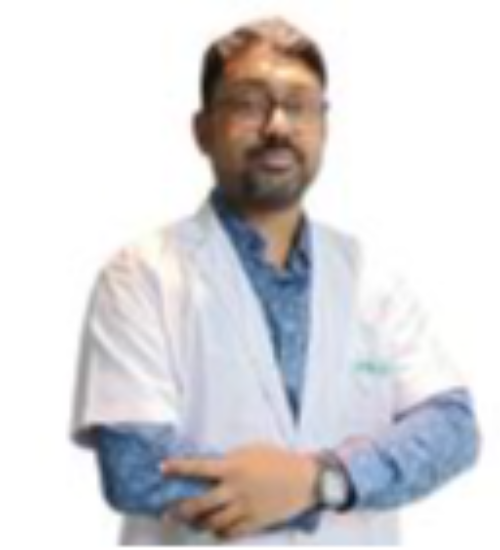
Dr. Swarnava Dattagupta - Orthopedic Surgeon

Dr. Swarnava Dattagupta – Orthopedic Surgeon and Joint Replacement Specialist in Kolkata

Orthopedic

Orthopedic Surgeon

11 years overall

Fortis Hospital & Kidney Institute

Kolkata

5.0★★★★★3 reviews

Dr. Swarnava Dattagupta – Orthopedic Surgeon in Kolkata

Dr. Swarnava Dattagupta is an orthopedic surgeon practising in Kolkata, West Bengal. He specialises in the evaluation and surgical management of conditions affecting bones, joints, ligaments, cartilage and other components of the musculoskeletal system. His published medical profile reports 11 years of overall professional experience, including 6 years as an orthopedic specialist.

Dr. Swarnava Dattagupta holds an MBBS degree from the West Bengal University of Health Sciences, completed in 2014, and a DNB in Orthopaedics from the National Board of Examinations, India, completed in 2018. His specialist training supports the diagnosis and management of orthopedic conditions involving joint degeneration, musculoskeletal injuries and disorders affecting movement and mobility.

His listed clinical services include total knee replacement, total hip replacement and arthroscopic procedures involving the knee, shoulder, ankle and hip. Joint replacement surgery may be considered for patients with advanced joint damage and persistent symptoms despite appropriate non-surgical treatment. Arthroscopy uses a camera and specialised instruments inserted through small incisions to evaluate or treat selected joint conditions.

Dr. Swarnava Dattagupta's reported procedures also include meniscus repair, posterior cruciate ligament reconstruction and carpal tunnel release. Meniscus injuries can affect knee stability and movement, while ligament damage may contribute to instability during physical activity. Surgical decisions depend on the type of injury, clinical examination, imaging findings and individual functional requirements.

Patients experiencing persistent knee pain, hip discomfort, joint stiffness, restricted movement or sports-related orthopedic injuries may benefit from specialist assessment. Depending on the diagnosis, management may include rehabilitation, physiotherapy, medication, activity modification or surgery. The objective of orthopedic care is to reduce symptoms, improve mobility and support functional recovery where medically appropriate.

Dr. Swarnava Dattagupta is listed as practising at Techno India Dama Healthcare & Medical Centre in Beliaghata, Kolkata, and is also included in Satyajit Diagnostic Centre's orthopedic doctor directory. Patients should confirm his current hospital affiliations, consultation schedule and the availability of individual orthopedic procedures before arranging an appointment.

Other Information

Total Knee Replacement Surgery

Total knee replacement is a surgical procedure used to treat severe knee joint damage, commonly associated with advanced arthritis. Damaged joint surfaces are replaced with artificial components to reduce pain and improve mobility. Surgery may be considered when medication, physiotherapy and other non-surgical treatments no longer provide adequate relief.

Total Hip Replacement Surgery

Total hip replacement involves replacing damaged portions of the hip joint with artificial implants. It may be recommended for advanced hip arthritis, certain fractures or other conditions causing persistent pain and restricted movement. The procedure aims to improve joint function, although recovery requires rehabilitation and appropriate postoperative care.

Complex Trauma and Fracture Management

Complex orthopedic trauma may involve multiple fractures, joint injuries or significant damage to surrounding soft tissues. Treatment requires careful assessment of bone alignment, circulation and associated injuries. Depending on the injury, management may include immobilisation, internal fixation, external fixation and structured rehabilitation to support healing and restore function.

Knee Arthroscopy

Knee arthroscopy is a minimally invasive procedure used to examine and treat selected problems within the knee joint. A small camera and specialised instruments are introduced through tiny incisions. It may be used for certain meniscus injuries, ligament-related procedures or loose joint fragments when surgery is clinically appropriate.

Shoulder Arthroscopy

Shoulder arthroscopy allows surgeons to examine and treat selected shoulder conditions through small incisions. It may be considered for certain rotator cuff tears, labral injuries and recurrent instability. The procedure uses a camera to visualise the joint, while rehabilitation helps restore shoulder movement and strength after treatment.

Meniscus Repair Surgery

The meniscus is a cartilage structure that helps distribute load within the knee. Certain meniscus tears may be repaired surgically, particularly when their location and tissue quality support healing. Treatment depends on the tear pattern, symptoms, age, activity requirements and associated ligament injuries.

Posterior Cruciate Ligament Reconstruction

Posterior cruciate ligament reconstruction may be considered for selected patients with significant knee instability following PCL injury. The procedure uses a tissue graft to replace the damaged ligament. Surgical decisions depend on injury severity, associated knee damage and functional needs. Postoperative rehabilitation is essential for recovery.

Sports Injury Surgery

Sports injuries can affect ligaments, tendons, cartilage, bones and joints. Many injuries respond to rehabilitation and other non-surgical treatments, while selected severe injuries may require surgical repair or reconstruction. Appropriate treatment depends on the injured structure, degree of instability and the patient's activity goals.

Ankle Arthroscopy

Ankle arthroscopy is a minimally invasive procedure used to evaluate and treat selected conditions affecting the ankle joint. It may be considered for certain cartilage injuries, loose bodies or persistent impingement symptoms. A small camera provides a view inside the joint while specialised instruments perform the necessary treatment.

Hip Arthroscopy

Hip arthroscopy is a minimally invasive technique used to manage selected hip joint disorders, including certain labral tears and femoroacetabular impingement. Small instruments are introduced into the joint to assess and treat abnormalities. Patient selection is important because advanced arthritis may require a different treatment approach.

Carpal Tunnel Release Surgery

Carpal tunnel syndrome occurs when the median nerve becomes compressed at the wrist, causing numbness, tingling or weakness in the hand. Carpal tunnel release surgery reduces pressure on the nerve by dividing the transverse carpal ligament. It may be considered when symptoms are persistent or nerve dysfunction is significant.

Minimally Invasive Spine Surgery

Minimally invasive spine surgery uses specialised instruments and smaller surgical approaches to treat selected spinal disorders. Depending on the condition, it may involve decompression of compressed nerves or stabilisation of spinal structures. Surgery is considered after assessment of symptoms, neurological findings, imaging and appropriate alternative treatments.

Fracture Fixation Surgery

Fracture fixation surgery stabilises broken bones using devices such as plates, screws, rods or external frames. It may be required when a fracture is displaced, unstable or involves a joint surface. The objective is to restore alignment, support bone healing and enable safe rehabilitation according to the injury.

Joint Pain and Arthritis Management

Joint pain may result from osteoarthritis, inflammatory conditions, injury or other musculoskeletal disorders. Assessment involves reviewing symptoms, physical examination and imaging when indicated. Treatment may include exercise therapy, weight management, medication, injections or surgery, depending on the underlying diagnosis and severity of joint damage.

Diagnostic Arthroscopy

Diagnostic arthroscopy involves introducing a small camera into a joint to examine internal structures. It may help assess selected cartilage, ligament or other joint abnormalities when non-invasive investigations do not provide sufficient information. Arthroscopy is generally reserved for situations where the findings may influence treatment decisions.

Education & Qualifications

MBBS, DNB (Orthopaedics)

Services

Orthopedic consultation, total knee replacement, total hip replacement, knee arthroscopy, shoulder arthroscopy, ankle arthroscopy, hip arthroscopy, meniscus repair surgery, posterior cruciate ligament (PCL) reconstruction, carpal tunnel release, diagnostic arthroscopy, orthopedic pain management, joint injury assessment, sports-related orthopedic injury management.

Patient Testimonials

What Patients Say About Dr. Swarnava Dattagupta

Genuine patient experiences and treatment feedback.

5.0
3 reviews
R

Riya Mukherjee

Verified

Salt Lake • Sports Knee Injury Consultation

5.0

Helpful Discussion About Knee Ligament Injuries

I consulted Dr. Swarnava Dattagupta in this illustrative scenario after experiencing knee discomfort during sports activity. The discussion covered possible ligament injuries, imaging investigations and rehabilitation. I appreciated learning when arthroscopic surgery might be considered and why treatment decisions depend on the type and severity of injury.

S

Souvik Banerjee

Verified

Howrah • Fracture Management

5.0

Clear Guidance on Fracture Treatment

I visited Dr. Swarnava Dattagupta in this fictional example after sustaining a fracture. The consultation focused on understanding the injury, possible treatment approaches and the expected healing process. I found the explanation of immobilisation, surgical fixation and follow-up care useful when considering the next steps.

A

Anirban Chatterjee

Verified

Kolkata • Knee Replacement Consultation

5.0

Understanding Knee Replacement Options

I consulted Dr. Swarnava Dattagupta in this sample scenario because persistent knee discomfort was affecting my daily activities. The discussion covered joint degeneration, imaging findings and situations where knee replacement may be considered. I appreciated the explanation of non-surgical options and the importance of rehabilitation before making treatment decisions.

Frequently Asked Questions

Quick answers to common questions about Dr. Swarnava Dattagupta

01

Who is Dr. Swarnava Dattagupta?

Dr. Swarnava Dattagupta is a Consultant Orthopaedic Surgeon and Joint Replacement Specialist associated with Fortis Hospital & Kidney Institute, Kolkata. His clinical expertise includes joint replacement, fracture management, complex orthopedic trauma and sports-related injuries.

02

What are Dr. Swarnava Dattagupta's qualifications?

He holds MBBS and DNB (Orthopaedics) qualifications. He completed his MBBS at R.G. Kar Medical College in 2014 and his DNB in Orthopaedics in 2018.

03

How many years of experience does Dr. Swarnava Dattagupta have?

The official Fortis Healthcare profile lists 11 years of professional experience. His supplementary medical profile also reports 11 years overall, including 6 years as an orthopedic specialist.

04

Does Dr. Swarnava Dattagupta perform knee replacement surgery?

Yes. The official Fortis profile identifies knee replacement surgery as part of his expertise. It may be considered for patients with advanced knee joint damage and persistent pain when appropriate non-surgical treatments have not provided sufficient relief.

05

Does Dr. Swarnava Dattagupta treat fractures and complex orthopedic trauma?

Yes. His official hospital profile specifically identifies fracture management and complex trauma cases among his clinical areas of expertise.

Still have questions about Dr. Swarnava Dattagupta?

Contact us for personalized help or to schedule an appointment.