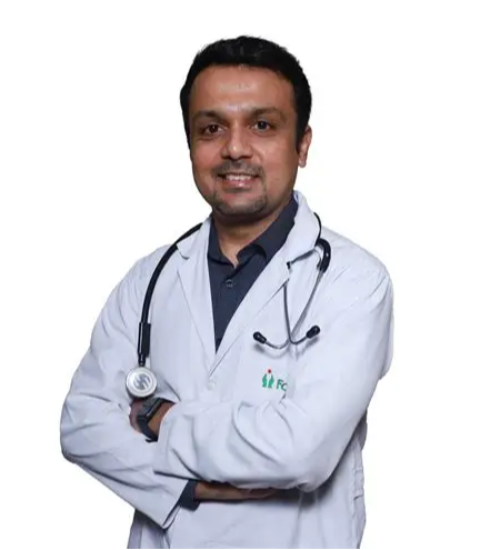
Dr. Harshwardhan Ghorpade - Consultant Ophthalmologist

Dr. Harshwardhan Ghorpade – Ophthalmologist and Eye Surgeon in Navi Mumbai

Ophthalmology

22 years

Fortis Hospitals, Vashi, Mumbai
5.0★★★★★3 reviews

Dr. Harshwardhan Ghorpade – Ophthalmologist and Cataract Surgeon in Navi Mumbai

Dr. Harshwardhan Ghorpade is an Ophthalmologist and Eye Surgeon associated with Hiranandani Fortis Hospital, Vashi, Navi Mumbai. His main clinical interests include cataract surgery, corneal disorders, ocular surface diseases and refractive eye surgery. He has experience in the assessment and surgical management of conditions affecting vision and the anterior segment of the eye.

He completed his MBBS in Mumbai, MS in Ophthalmology in Pune and DNB through the National Board of Examinations, New Delhi. His professional training includes a fellowship in phacoemulsification cataract surgery and further specialised education in corneal and ocular surface disorders.

Dr. Ghorpade undertook advanced corneal training in the United Kingdom, including work with Professor H. S. Dua. He also completed training in refractive laser procedures, including LASIK and Femto LASIK, with Dr. Rupal Shah.

His documented surgical experience includes thousands of phacoemulsification cataract procedures and other anterior segment operations. He has clinical interests in corneal disease, refractive cataract surgery, limbal stem cell-related ocular surface conditions and ocular trauma.

Patients seeking an ophthalmologist in Navi Mumbai may consult Dr. Ghorpade for cataract assessment, corneal disorders, vision correction evaluation and selected eye conditions requiring surgical opinion. Treatment planning depends on detailed eye examination, ocular measurements, associated medical conditions and individual visual requirements.

Other Information

Cataract Surgery

Cataract surgery removes the clouded natural lens of the eye and usually replaces it with an artificial intraocular lens. Surgery may be recommended when reduced vision affects daily activities. Treatment planning includes eye measurements and selection of an appropriate lens.

Phacoemulsification Cataract Surgery

Phacoemulsification uses ultrasound energy to break up the cloudy natural lens, which is then removed through a small incision. An artificial lens is usually implanted. The technique is commonly used for cataract treatment following detailed ophthalmic assessment.

LASIK Eye Surgery

LASIK is a laser-based procedure that reshapes the cornea to correct selected refractive errors. It may be considered for eligible patients with myopia, hyperopia or astigmatism. Suitability depends on corneal thickness, prescription stability and general eye health.

Femto LASIK Surgery

Femto LASIK is a refractive procedure using a femtosecond laser to create a corneal flap before laser reshaping. It may be an option for selected patients seeking vision correction. Detailed corneal measurements and medical assessment determine eligibility.

Corneal Disease Management

The cornea is the transparent front surface of the eye. Disorders affecting it may cause pain, redness, light sensitivity or blurred vision. Management depends on the condition and may include medication, investigations or specialised surgical treatment.

Ocular Surface Disease Management

Ocular surface diseases affect the cornea, conjunctiva or tear film. Patients may experience dryness, discomfort, redness or fluctuating vision. Treatment aims to identify underlying causes and may involve lubrication, medication and selected specialist procedures.

Refractive Cataract Surgery

Refractive cataract surgery combines cataract removal with planning for selected visual correction goals. Intraocular lens choice depends on individual eye measurements, existing ocular conditions, visual priorities and expected outcomes after surgery.

Anterior Segment Surgery

Anterior segment surgery focuses on structures at the front of the eye, including the cornea, iris and lens. Procedures vary according to the underlying condition and may be needed for selected cataracts, injuries or other ocular abnormalities.

Ocular Trauma Surgery

Eye trauma can damage the cornea, lens or other structures responsible for vision. Significant injuries require urgent assessment. Surgical repair may be necessary depending on the location, depth and severity of the damage.

Limbal Stem Cell-Related Ocular Surface Disorders

Limbal stem cells help maintain the corneal surface. Disorders affecting these cells may cause persistent inflammation, discomfort and visual impairment. Specialist assessment is needed to determine whether medical treatment or advanced ocular surface procedures are appropriate.

Education & Qualifications

MBBS, MS (Ophthalmology), DNB (Ophthalmology)

Services

Cataract Surgery, Phacoemulsification, Corneal Disease Management, Ocular Surface Disease Management, LASIK, Femto LASIK, Refractive Cataract Surgery, Anterior Segment Surgery, Ocular Trauma Surgery, Limbal Stem Cell-Related Disorders

Patient Testimonials

What Patients Say About Dr. Harshwardhan Ghorpade

Genuine patient experiences and treatment feedback.

5.0
3 reviews
Z

Zohra

Verified

Salt Lake • Bilateral Cataract Surgery

5.0

Compassionate Care for My Mother

I consulted Dr. Harshwardhan Ghorpade and his team for my 75-year-old mother, who had cataracts in both eyes and limited mobility. He explained the condition and surgery carefully and was available for postoperative questions. I reported that her vision was good three months after surgery.

U

Uma Ramaswamy

Verified

Bangalore • Cataract Surgery in Both Eyes

5.0

Caring Support During Cataract Treatment

I visited Dr. Harshwardhan Ghorpade for cataract surgery in both eyes. I was grateful for his caring, supportive approach and the treatment I received. I described the surgeries positively and recommended him to others.

F

Francis Ashok Martis

Verified

Salt Lake • Cataract Surgery

5.0

Professional Cataract Surgery and Follow-up

I consulted Dr. Harshwardhan Ghorpade for cataract treatment. He and his team were professional and explained the procedure clearly, addressing my doubts. My cataract operations and follow-up care went well, and I reported improvement in my vision.

Frequently Asked Questions

Quick answers to common questions about Dr. Harshwardhan Ghorpade

01

When is cataract surgery recommended?

It is generally considered when cataracts interfere with vision and everyday activities.

02

What is phacoemulsification?

It is a cataract surgery technique that uses ultrasound to help remove the clouded lens.

03

What is the difference between LASIK and Femto LASIK?

Femto LASIK uses a femtosecond laser to create the corneal flap, while conventional LASIK may use a mechanical microkeratome.

04

Can LASIK correct astigmatism?

Selected patients with astigmatism may be eligible following appropriate eye examination.

05

What symptoms suggest a corneal disorder?

Common symptoms include pain, redness, light sensitivity, irritation and blurred vision.

Still have questions about Dr. Dr. Harshwardhan Ghorpade?

Contact us for personalized help or to schedule an appointment.