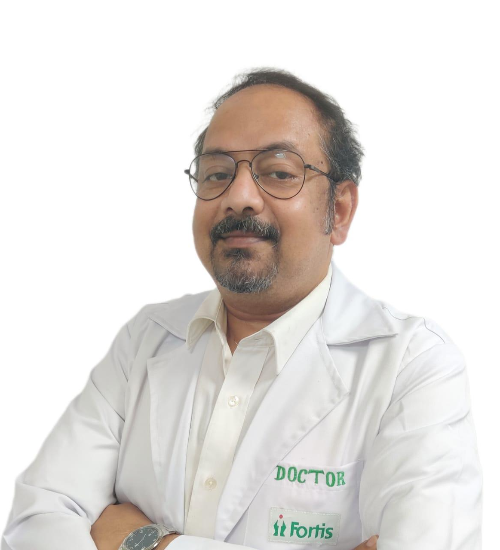
Dr. Rudra Prosad Ghosh - Consultant – Ophthalmology

Dr. Rudra Prosad Ghosh – Cataract, Glaucoma & Eye Surgeon in Kolkata

Ophthalmology

Consultant – Ophthalmology

26+ years

Fortis Hospitals

Kolkata

5.0★★★★★3 reviews

Dr. Rudra Prosad Ghosh – Cataract, Glaucoma and Ophthalmic Surgeon in Kolkata

Dr. Rudra Prosad Ghosh is a Consultant Ophthalmologist associated with Fortis Hospital Anandapur, Kolkata. His areas of expertise include cataract surgery, phacoemulsification, glaucoma treatment, medical retina, corneal conditions and comprehensive ophthalmic care. His Fortis profile lists 15 years of experience, although supplementary sources report a longer professional career.

Dr. Rudra Prosad Ghosh obtained his undergraduate and primary postgraduate medical qualifications from North Bengal Medical College, according to his personal professional website. He subsequently completed advanced ophthalmology examinations and surgical training associated with the Royal College of Physicians and Surgeons of Glasgow, the Royal College of Surgeons of Edinburgh and the International Council of Ophthalmology. His professional background also includes an international fellowship at Regensburg University Hospital in Germany.

Cataract surgery is a major area of Dr. Ghosh's documented surgical expertise. Fortis reports that he has performed more than 4,000 phacoemulsification surgeries and more than 8,000 small-incision cataract surgeries. These techniques are used to remove a cloudy natural lens and, when suitable, replace it with an artificial intraocular lens. Surgical planning depends on eye examination findings and the patient's visual requirements.

Dr. Ghosh also has clinical and surgical experience in glaucoma management. Glaucoma is a group of eye conditions that can damage the optic nerve and cause irreversible vision loss. Assessment may involve eye pressure measurement, optic nerve examination, visual field testing and retinal nerve fibre imaging. Treatment depends on disease severity and may include medication, laser procedures or surgery.

Medical retina and ophthalmic laser treatment are additional areas of his expertise. His official biography identifies retinal and anterior segment laser procedures, optical coherence tomography, fluorescein angiography, ICG angiography and ophthalmic ultrasound among his clinical work. These investigations help assess selected retinal, optic nerve and other eye conditions.

His professional experience also includes corneal surgery, keratoplasty, lacrimal procedures and eyelid surgery. Dr. Ghosh has worked as a Resident Surgeon and Clinical Tutor at the Regional Institute of Ophthalmology, Medical College, Kolkata, and has participated in academic teaching and research. Patients seeking cataract, glaucoma, retina or other eye care consultations can enquire through Fortis Hospital Anandapur or his listed eye care centres, subject to current appointment availability.

Other Information

Comprehensive Ophthalmology Consultation

Comprehensive ophthalmology consultation focuses on evaluating vision and conditions affecting the eyes. Examination may include visual acuity testing, eye pressure measurement and assessment of the front and back of the eye. Further investigations are selected according to symptoms, examination findings and relevant medical history.

Phacoemulsification Cataract Surgery

Phacoemulsification is a cataract surgery technique that uses ultrasound energy to break up and remove the cloudy natural lens through a small incision. An artificial intraocular lens is usually implanted. The procedure is planned according to cataract severity, eye measurements, other ocular conditions and the patient's visual needs.

Small-Incision Cataract Surgery (SICS)

Small-incision cataract surgery is a technique used to remove an opaque natural lens through a self-sealing surgical incision. It may be suitable for selected cataracts, including certain dense lenses. An intraocular lens is commonly implanted. Surgical selection depends on the cataract characteristics and overall eye health.

Cataract and Intraocular Lens Assessment

Cataract evaluation involves assessing lens opacity, vision, eye anatomy and other ocular conditions. When surgery is indicated, measurements help select an appropriate intraocular lens. The choice of lens depends on visual requirements, eye health and realistic expectations. Patients should understand that surgery does not eliminate every possible cause of poor vision.

Glaucoma Evaluation and Management

Glaucoma can damage the optic nerve and may progress without noticeable early symptoms. Evaluation may involve eye pressure assessment, optic nerve imaging, visual field testing and examination of the drainage angle. Treatment aims to reduce the risk of further damage and may include medicines, laser procedures or surgery.

Glaucoma Surgery

Glaucoma surgery may be considered when medication or other treatment does not adequately control the risk of optic nerve damage. Different procedures aim to improve fluid drainage or reduce eye pressure. Surgical selection depends on glaucoma type, severity, previous treatment and individual ocular findings.

Laser Trabeculoplasty

Laser trabeculoplasty is used in selected forms of open-angle glaucoma to improve drainage of fluid from the eye and reduce intraocular pressure. Suitability depends on glaucoma type, eye examination findings and treatment history. Patients require follow-up because laser treatment may not provide adequate pressure control in every case.

Keratoplasty and Corneal Surgery

Keratoplasty is a surgical procedure involving replacement of diseased corneal tissue with donor tissue. It may be considered for selected corneal scars, degeneration or other conditions affecting vision. The type of graft depends on which corneal layers are affected and the patient's overall eye condition.

Medical Retina Consultation

Medical retina care focuses on conditions affecting the light-sensitive tissue at the back of the eye. Assessment may involve dilated retinal examination, optical coherence tomography and vascular imaging. Treatment depends on the diagnosis and may require medication, laser therapy or referral for additional retinal procedures.

Retinal Laser Treatment

Retinal laser treatment may be used for selected conditions affecting retinal blood vessels or other retinal structures. The procedure applies controlled laser energy to targeted areas of tissue. Treatment decisions depend on retinal examination and imaging results, while ongoing monitoring is necessary to evaluate disease progression.

Nd:YAG Laser Eye Procedure

Nd:YAG laser treatment is used for selected eye conditions, including posterior capsule opacification after cataract surgery and some forms of glaucoma treatment. The procedure is performed according to a specific clinical indication. Assessment and follow-up are required because laser procedures carry potential risks and limitations.

Lacrimal System Surgery

Lacrimal surgery treats selected conditions affecting tear drainage. Blockage of the drainage pathway may cause persistent watering or recurrent infection. Assessment includes examination of the eyelids and drainage structures. Surgical treatment depends on the location and cause of obstruction and the patient's clinical circumstances.

Eyelid Surgery and Eyelid Disorder Assessment

Eyelid disorders may affect eye protection, comfort and vision. Some conditions involve abnormal eyelid position, lesions or inflammation. Evaluation considers symptoms and examination findings. Treatment may involve medication, monitoring or surgery when the condition affects function or requires further diagnostic assessment.

Optical Coherence Tomography (OCT)

Optical coherence tomography is a non-invasive imaging test that provides detailed cross-sectional images of retinal and optic nerve structures. It helps assess conditions such as glaucoma and macular disorders. OCT results are interpreted alongside clinical examination and other investigations rather than being used alone to establish every diagnosis.

Fundus Fluorescein and ICG Angiography

Fundus fluorescein angiography and indocyanine green angiography use specialised imaging techniques to evaluate blood circulation within retinal and related ocular structures. These tests may be recommended when certain vascular abnormalities are suspected. Their suitability depends on the clinical question, patient history and potential risks associated with contrast agents.

LASIK and Refractive Eye Surgery Consultation

Refractive eye surgery aims to correct selected focusing errors such as myopia, hyperopia and astigmatism. LASIK is one technique that reshapes the cornea using a laser. Suitability depends on corneal thickness, prescription stability, ocular health and individual risks. Not every patient is a suitable candidate.

Education & Qualifications

MBBS,FRCS,

Services

Comprehensive Eye Examination, Cataract Surgery, Phacoemulsification Cataract Surgery, Small-Incision Cataract Surgery, Glaucoma Evaluation, Glaucoma Surgery, Laser Trabeculoplasty, Cornea Evaluation, Keratoplasty, Medical Retina Assessment, Retinal Laser Treatment, Anterior Segment Laser Procedures, Nd:YAG Laser Treatment, Lacrimal Surgery, Eyelid Surgery, Optical Coherence Tomography (OCT), Fundus Fluorescein Angiography, ICG Angiography, B-Scan Ultrasonography and LASIK Consultation.

Patient Testimonials

What Patients Say About Dr. Rudra Prosad Ghosh

Genuine patient experiences and treatment feedback.

5.0
3 reviews
P

Priyanka Ghosh

Verified

Salt Lake • Keratoplasty Consultation

5.0

Understanding Corneal Treatment Options

In this fictional consultation, I sought information about corneal disease and possible keratoplasty. We discussed how different corneal layers can be affected and why some conditions require surgical treatment. The explanation helped me prepare questions about graft selection and follow-up care.

M

Mousumi Banerjee

Verified

Howrah • Glaucoma Assessment

5.0

Learning About Glaucoma Monitoring

In this illustrative consultation, I asked Dr. Rudra Prosad Ghosh about glaucoma and optic nerve damage. We discussed eye pressure measurement, visual field testing and the role of medication or surgery. The information helped me understand why regular monitoring is important.

A

Arindam Chatterjee

Verified

Kolkata • Phacoemulsification Cataract Surgery

5.0

Understanding Cataract Treatment

In this fictional consultation, I sought information from Dr. Rudra Prosad Ghosh about cataract surgery. We discussed how phacoemulsification removes a cloudy lens and why eye measurements are important before selecting an artificial lens. The explanation helped me prepare questions about surgical risks, vision and recovery.

Frequently Asked Questions

Quick answers to common questions about Dr. Rudra Prosad Ghosh

01

Who is Dr. Rudra Prosad Ghosh?

Dr. Rudra Prosad Ghosh is a Consultant Ophthalmologist and cataract surgeon associated with Fortis Hospital Anandapur, Kolkata. His interests include cataract, glaucoma, cornea and medical retina care.

02

What are Dr. Rudra Prosad Ghosh's qualifications?

His reported qualifications include MBBS, Diploma in Ophthalmology, FRCS (Glasgow), ICO examinations and international ophthalmology fellowship training. The exact fellowship titles should be verified.

03

How many years of experience does Dr. Rudra Prosad Ghosh have?

Fortis lists 15 years, while HexaHealth reports 26+ years. The doctor's own professional history indicates substantial earlier clinical experience, so the overall figure needs confirmation.

04

Does Dr. Rudra Prosad Ghosh perform cataract surgery?

Yes. Fortis reports more than 4,000 phacoemulsification surgeries and more than 8,000 small-incision cataract operations.

05

Does Dr. Rudra Prosad Ghosh treat glaucoma?

Yes. His official Fortis biography identifies glaucoma surgery among his procedures, and his personal website confirms glaucoma as an area of practice.

Still have questions about Dr. Rudra Prosad Ghosh?

Contact us for personalized help or to schedule an appointment.

Dr. Rudra Prosad Ghosh | Eye Surgeon Kolkata | Medpas Health