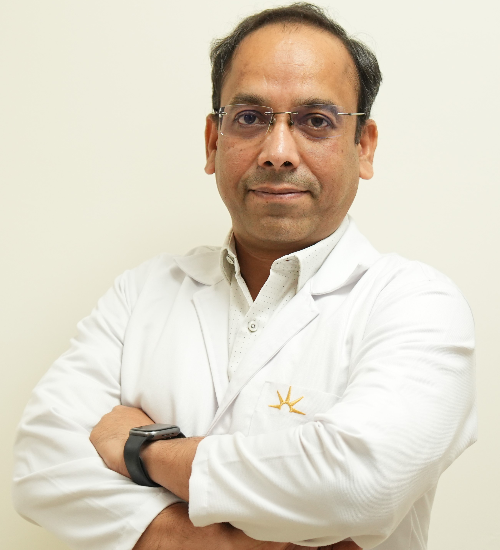
Chemotherapy uses anti-cancer medicines to destroy cancer cells or slow their growth. Dr. Vijay Sharnangat develops chemotherapy protocols according to the cancer type, disease stage, previous treatment history and overall patient condition.
Immunotherapy helps the immune system recognise and attack cancer cells. It may be considered for selected cancers depending on tumour type, stage, biomarkers and other clinical factors.
Targeted therapy uses medicines designed to act on specific molecular changes or proteins involved in cancer growth. Molecular testing may help identify patients who are likely to benefit from a particular targeted treatment.
Hormonal therapy may be used to control cancers that depend on hormones for their growth, particularly selected breast and prostate cancers. Treatment is personalised according to hormone receptor status and disease characteristics.
Dr. Vijay Sharnangat provides systemic therapy for breast cancer using chemotherapy, targeted therapy, immunotherapy and hormonal therapy depending on cancer subtype, receptor status and stage.
Medical treatment for lung cancer may include chemotherapy, targeted therapy and immunotherapy. Molecular and biomarker testing can help guide personalised treatment for suitable patients.
Dr. Vijay Sharnangat provides systemic treatment for selected cancers of the stomach, colon, rectum, pancreas and other gastrointestinal organs as part of a multidisciplinary cancer care plan.
Medical oncology treatment for ovarian, cervical and other gynecological cancers may include chemotherapy, targeted therapy and other systemic treatments depending on disease type and stage.
Ovarian cancer treatment may involve chemotherapy and selected targeted therapies such as PARP inhibitors based on tumour characteristics, previous treatments and molecular findings.
Dr. Vijay Sharnangat manages selected prostate, kidney, bladder and other genitourinary cancers using systemic treatments such as chemotherapy, hormonal therapy, targeted therapy and immunotherapy.
Systemic treatment for head and neck cancers may include chemotherapy, targeted therapy or immunotherapy and can be combined with surgery or radiation therapy depending on disease stage.
Dr. Vijay Sharnangat also manages selected hematological malignancies, including leukemia and lymphoma, using appropriate systemic treatment protocols based on the exact diagnosis and disease characteristics.
Palliative systemic treatment may be used in advanced cancer to control disease progression, reduce cancer-related symptoms and support quality of life when curative treatment is not possible.