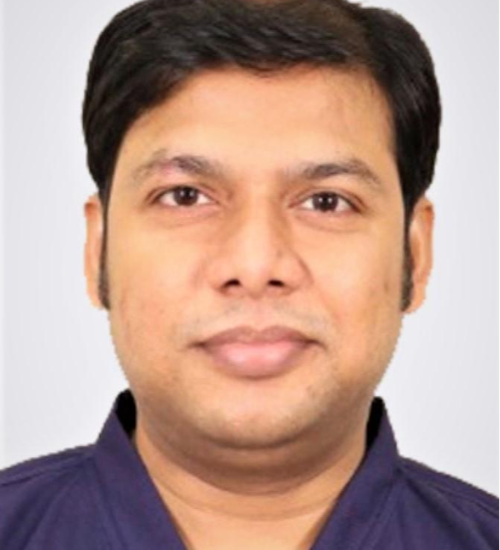
Dr. Syed Hassanujjaman - Consultant – Surgical Oncology

Dr. Syed Hassanujjaman – Surgical Oncologist & Cancer Surgeon in Kolkata

Oncology

Consultant – Surgical Oncology

18+ years

Fortis Hospitals

Kolkata

5.0★★★★★3 reviews

Dr. Syed Hassanujjaman – Surgical Oncologist and Cancer Surgeon in Kolkata

Dr. Syed Hassanujjaman is a Consultant Surgical Oncologist at Fortis Hospital, Anandapur, Kolkata. The official Fortis Healthcare profile lists 16 years of professional experience. He specialises in the surgical management of different types of cancer, including breast cancer, head and neck cancers, gastrointestinal cancers, colorectal cancers, gynaecological malignancies, urological cancers and soft tissue sarcomas. His clinical interests include minimally invasive cancer surgery, organ-preserving surgical techniques and multidisciplinary cancer management.

Dr. Syed Hassanujjaman completed his MBBS from Medical College, Kolkata, followed by an MS in General Surgery from IPGMER and SSKM Hospital, Kolkata. He subsequently obtained a DNB in General Surgery from the National Board of Examinations, New Delhi, and a DNB in Surgical Oncology from Saroj Gupta Cancer Centre and Research Institute, Kolkata. His postgraduate training combines general surgical skills with specialised education in cancer surgery.

His documented clinical expertise includes breast cancer surgery, breast-conserving surgery and oncoplastic breast procedures. Breast cancer surgery aims to remove malignant tissue while considering disease extent, appropriate surgical margins and the patient's individual treatment needs. Breast-conserving surgery may be suitable for selected patients, while mastectomy may be recommended in other circumstances. Oncoplastic techniques combine cancer removal with reconstructive approaches to preserve or restore breast appearance when clinically appropriate.

Dr. Hassanujjaman also specialises in head and neck cancer surgery, including malignancies affecting the oral cavity and related structures. His professional profile additionally identifies thyroid and endocrine cancer surgery, gastrointestinal tumour resection and colorectal cancer operations. Surgical treatment is planned according to the cancer type, stage, anatomical location and the patient's overall condition, often with input from medical oncology, radiation oncology, pathology and imaging specialists.

His clinical interests extend to gynaecological oncology, urological oncology, soft tissue sarcoma surgery and laparoscopic oncosurgery. Minimally invasive surgical techniques may be considered for selected cancers depending on disease characteristics and patient suitability. His supplementary professional profiles describe experience in sentinel lymph node biopsy, chest wall tumour excision and other specialised cancer procedures. He has also been associated with several healthcare institutions in Kolkata during his professional career.

Dr. Syed Hassanujjaman is currently listed as a Consultant Surgical Oncologist at Fortis Hospital, Anandapur, Kolkata. Patients seeking specialist evaluation for breast lumps, suspected malignancies, diagnosed cancers or a surgical oncology second opinion may enquire about a consultation. A comprehensive cancer treatment plan depends on confirmed diagnosis, staging investigations, multidisciplinary assessment and individual patient preferences. Consultation arrangements and procedure availability should be verified directly with the hospital.

Other Information

Breast Cancer Surgery

Breast cancer surgery aims to remove malignant breast tissue while achieving appropriate surgical margins. Depending on tumour size, location, stage and patient preferences, treatment may involve breast-conserving surgery or mastectomy. Surgical planning can also include lymph node assessment and coordination with medical oncology and radiation oncology specialists.

Breast-Conserving Surgery

Breast-conserving surgery removes a breast tumour along with a margin of surrounding tissue while preserving most of the breast. It is suitable for selected patients with breast cancer, depending on disease extent and other clinical factors. Radiotherapy is commonly recommended afterward to reduce the risk of local cancer recurrence.

Oncoplastic Breast Surgery

Oncoplastic breast surgery combines cancer removal with reconstructive surgical techniques. The aim is to achieve appropriate tumour clearance while maintaining or restoring breast shape when possible. The approach depends on tumour location, breast volume, extent of surgery and individual patient needs. Oncological safety remains the primary consideration.

Mastectomy Surgery

Mastectomy involves removing breast tissue as part of treatment for selected breast cancers or, in certain circumstances, reducing cancer risk. Different types of mastectomy may be considered according to tumour extent and clinical findings. Breast reconstruction and lymph node procedures may also form part of the treatment discussion.

Sentinel Lymph Node Biopsy

Sentinel lymph node biopsy is a surgical procedure used to assess whether certain cancers have spread to nearby lymph nodes. A tracer helps identify the first draining lymph nodes, which are removed for pathological examination. The procedure may assist staging and treatment planning while potentially avoiding more extensive lymph node surgery.

Oral Cancer Surgery

Oral cancer surgery involves removing malignant growths affecting structures such as the tongue, gums, cheek lining or floor of the mouth. Treatment depends on tumour location, stage and surrounding tissue involvement. Some patients may require reconstructive surgery, lymph node management or additional cancer treatments to support disease control and function.

Head and Neck Cancer Surgery

Head and neck cancer surgery treats selected malignant tumours involving the mouth, throat, salivary glands and related structures. Surgical planning aims to remove cancer while protecting important functions such as swallowing, speech and breathing whenever possible. Treatment may also involve lymph node surgery, reconstruction, radiotherapy or systemic therapy.

Thyroid Cancer Surgery

Thyroid cancer surgery may involve removal of part or all of the thyroid gland, depending on cancer type, size and extent. Selected patients may also require removal of affected neck lymph nodes. Surgical planning considers risks involving the vocal cord nerves and parathyroid glands, alongside long-term hormone management.

Gastrointestinal Cancer Surgery

Gastrointestinal cancer surgery is used to remove selected malignant tumours affecting the digestive tract and associated structures. The operation depends on the affected organ, cancer stage and patient health. Surgical management may be combined with chemotherapy, radiation therapy or other treatments according to a multidisciplinary care plan.

Stomach Cancer Surgery

Stomach cancer surgery may involve removing part or all of the stomach along with appropriate surrounding lymph nodes. The extent of surgery depends on tumour location, stage and the patient's overall condition. Treatment may also include chemotherapy or other systemic treatments before or after surgery when clinically indicated.

Colorectal Cancer Surgery

Colorectal cancer surgery involves removing cancerous tissue from the colon or rectum, usually with associated lymph nodes. The procedure depends on tumour location, stage and surrounding tissue involvement. Some patients may require temporary or permanent stoma formation, while others may be suitable for minimally invasive surgical approaches.

Laparoscopic Cancer Surgery

Laparoscopic oncosurgery uses a camera and specialised instruments inserted through small incisions to treat selected cancers. The approach may be appropriate for certain abdominal and pelvic tumours when oncological safety can be maintained. Its suitability depends on disease stage, tumour complexity and the patient's individual condition.

Gynaecological Cancer Surgery

Gynaecological cancer surgery treats selected malignancies involving reproductive organs such as the uterus, ovaries and cervix. Operations may involve removal of affected organs, lymph node assessment or additional tissue resection. Surgical planning depends on cancer type, stage and fertility considerations, with input from appropriate gynaecological oncology specialists.

Urological Cancer Surgery

Urological cancer surgery involves operations for selected malignancies affecting the kidneys, bladder and other urinary organs. The specific procedure depends on cancer location, extent and the patient's kidney function and general health. Complex cases commonly require collaboration between surgical oncologists, urologists and other cancer specialists.

Soft Tissue Sarcoma Surgery

Soft tissue sarcomas are uncommon cancers that develop in muscles, fat, connective tissues or other soft tissues. Surgery aims to remove the tumour with appropriate margins while preserving important structures when feasible. Treatment may also involve radiotherapy or systemic therapy depending on tumour type, grade, location and stage.

Chest Wall Tumour Excision

Chest wall tumour excision involves removing selected benign or malignant growths affecting the tissues of the chest wall. Surgery may require removal of surrounding tissue and reconstruction in complex cases. Treatment planning considers tumour size, anatomical involvement, respiratory function and the need for multidisciplinary surgical and oncology care.

Education & Qualifications

MBBS, MS (General Surgery), DNB (General Surgery), DNB (Surgical Oncology)

Services

Breast cancer surgery, breast-conserving surgery, oncoplastic breast surgery, mastectomy, sentinel lymph node biopsy, oral cancer surgery, head and neck cancer surgery, thyroid cancer surgery, gastrointestinal cancer surgery, stomach cancer surgery, colorectal cancer surgery, laparoscopic oncosurgery, gynaecological cancer surgery, ovarian cancer surgery, uterine cancer surgery, urological cancer surgery, soft tissue sarcoma resection, chest wall tumour excision and multidisciplinary surgical cancer management

Patient Testimonials

What Patients Say About Dr. Syed Hassanujjaman

Genuine patient experiences and treatment feedback.

5.0
3 reviews
P

Priyanka Ghosh

Verified

Salt Lake • Thyroid Cancer Surgery Consultation

5.0

Learning About Thyroid Cancer Surgery

I sought a consultation with Dr. Syed Hassanujjaman regarding a thyroid tumour that required specialist evaluation. I wanted to understand whether surgery was necessary and what investigations would be recommended. Information about the operation, potential complications and long-term thyroid monitoring would help me evaluate the available treatment options.

A

Arindam Chatterjee

Verified

Howrah • Oral Cancer Surgery Consultation

5.0

Guidance on Head and Neck Cancer Treatment

I visited Dr. Syed Hassanujjaman to discuss a suspected oral cancer diagnosis and the treatment options available. I wanted to understand how surgery could affect speaking, swallowing and recovery. Clear guidance regarding investigations, surgical planning and possible additional treatments would help me prepare for the decisions ahead.

A

Ananya Mukherjee

Verified

Kolkata • Breast Cancer Surgery Consultation

5.0

Understanding Breast Cancer Surgical Options

I consulted Dr. Syed Hassanujjaman to understand the surgical options for breast cancer. I wanted information about breast-conserving surgery, mastectomy and the importance of cancer staging. A detailed explanation of treatment choices, possible risks and follow-up requirements would help my family and me make more informed decisions about care

Frequently Asked Questions

Quick answers to common questions about Dr. Syed Hassanujjaman

01

Who is Dr. Syed Hassanujjaman?

Dr. Syed Hassanujjaman is a Consultant Surgical Oncologist at Fortis Hospital, Anandapur, Kolkata. He specialises in cancer surgery, including breast, head and neck, gastrointestinal, colorectal, endocrine and other selected cancers.

02

What are Dr. Syed Hassanujjaman's qualifications?

He holds MBBS, MS (General Surgery), DNB (General Surgery) and DNB (Surgical Oncology) qualifications. His training includes Medical College, Kolkata, IPGMER and SSKM Hospital, and Saroj Gupta Cancer Centre & Research Institute.

03

How many years of experience does Dr. Syed Hassanujjaman have?

The official Fortis Healthcare profile lists 16 years of experience, while Save Life Healthcare reports 16+ years and HexaHealth reports 18+ years. His current total should be confirmed directly before publishing a definitive figure.

04

What types of cancer does Dr. Syed Hassanujjaman specialise in treating?

His documented clinical expertise includes breast cancer, head and neck cancer, thyroid cancer, gastrointestinal cancer, colorectal cancer, gynaecological cancers, urological cancers and soft tissue sarcomas. Treatment depends on the cancer type and stage.

05

Does Dr. Syed Hassanujjaman perform breast cancer surgery?

Yes. His official Fortis profile identifies breast cancer surgery, breast-conserving surgery and oncoplastic breast surgery among his areas of expertise. The choice of procedure depends on the diagnosis, tumour characteristics and multidisciplinary recommendations.

Still have questions about Dr. Syed Hassanujjaman?

Contact us for personalized help or to schedule an appointment.