A
Amit
VerifiedKolkata • Lung Cancer Treatment
Professional and Supportive Cancer Consultation
Dr. Sanchayan Mandal explained the lung cancer treatment options and molecular testing clearly. He patiently answered our questions about the next steps.

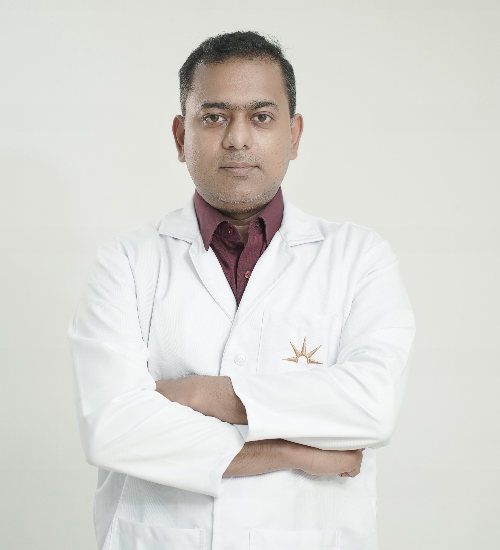
Oncology
Medical Oncologist & Cancer Treatment Specialist15+ Years of Experience in Medical Oncology and Cancer Care.
HCG Cancer Hospital
Kolkata
Dr. Sanchayan Mandal is an experienced Medical Oncologist in Kolkata with more than 15 years of experience in cancer care. He specialises in the diagnosis and medical treatment of both solid tumors and hematological malignancies using chemotherapy, immunotherapy, targeted therapy and other modern systemic treatments.
He holds advanced qualifications in Medical Oncology and Radiation and Clinical Oncology, including DrNB in Medical Oncology and DNB in Radiation and Clinical Oncology. He is also ECMO certified and has additional training in clinical research, palliative care and international medical certification through ECFMG.
Dr. Sanchayan Mandal has experience treating complex and advanced-stage cancers, including breast cancer, lung cancer, gastrointestinal cancers, gynecological cancers, genitourinary cancers, head and neck cancers and central nervous system tumors.
His hematological oncology practice includes the management of lymphoma, multiple myeloma and other blood-related malignancies. Treatment plans are personalised according to cancer subtype, stage, molecular profile, patient health and response to previous treatment.
Dr. Mandal is also actively involved in genetic screening and counselling for patients with strong family histories of cancer. This helps identify hereditary cancer risks and supports personalised surveillance and treatment planning.
His approach combines evidence-based oncology treatment with supportive and palliative care, with the goal of improving treatment tolerance, quality of life and long-term disease control wherever possible.
Chemotherapy uses anti-cancer medicines to destroy or control cancer cells and may be used alone or in combination with other treatments depending on cancer type and stage.
Immunotherapy helps the immune system identify and attack cancer cells and may be used for selected cancers based on biomarkers and individual clinical factors.
Targeted therapy uses medicines that act on specific molecular or genetic abnormalities within cancer cells and is selected based on tumor testing where appropriate.
Hormone therapy is used for hormone-sensitive cancers such as selected breast and prostate cancers and works by blocking or reducing hormonal stimulation of cancer cells.
Breast cancer treatment may include chemotherapy, targeted therapy, immunotherapy and hormone therapy depending on tumor subtype, receptor status and disease stage.
Lung cancer treatment is based on cancer type, stage and molecular testing and may include chemotherapy, immunotherapy, targeted therapy or a combination of systemic treatments.
Medical treatment for head and neck cancers may involve chemotherapy, immunotherapy or targeted therapy as part of a multidisciplinary cancer treatment plan.
Gastrointestinal cancer treatment includes systemic therapy for cancers of the stomach, colon, rectum, pancreas, liver and other digestive organs based on disease stage and molecular characteristics.
Colorectal cancer may be treated with chemotherapy, targeted therapy and immunotherapy depending on disease stage and molecular test results.
Systemic treatment for liver cancer may include targeted therapy and immunotherapy in selected patients based on liver function, cancer stage and overall health.
Gynecological cancers including ovarian, cervical and uterine cancers may require chemotherapy, targeted treatment, immunotherapy or combined multidisciplinary care.
Medical treatment for prostate, kidney, bladder and other genitourinary cancers may include hormone therapy, chemotherapy, targeted therapy and immunotherapy.
Lymphoma treatment depends on lymphoma subtype, stage and patient condition and may include chemotherapy, immunotherapy and targeted medicines.
Multiple myeloma treatment may include targeted drugs, immunomodulatory medicines, chemotherapy and other systemic treatment approaches based on disease status.
Leukemia treatment may include chemotherapy, targeted therapy and immunotherapy according to leukemia subtype, molecular profile and individual treatment response.
Medical treatment for selected brain and central nervous system cancers may involve chemotherapy, targeted medicines and coordination with radiation and surgical oncology teams.
Genetic screening and counselling help identify inherited cancer risks in patients with strong personal or family histories and may guide surveillance, prevention and personalised treatment decisions.
Palliative oncology focuses on symptom control, treatment side-effect management and quality of life for patients with advanced or complex cancers.
MBBS, DNB (Radiation & Clinical Oncology), DrNB (Medical Oncology), ECMO Certified, PDCR, ASCO, ECFMG/USMLE
Chemotherapy, Immunotherapy, Targeted Therapy, Hormone Therapy, Precision Oncology, Genetic Screening, Genetic Counselling, Breast Cancer Treatment, Lung Cancer Treatment
Genuine patient experiences and treatment feedback.
Quick answers to common questions about Dr. Sanchayan Mandal
He specialises in Medical Oncology and also has training in Radiation and Clinical Oncology.
He holds MBBS, DNB in Radiation and Clinical Oncology and DrNB in Medical Oncology, along with ECMO, PDCR, ASCO and ECFMG-related credentials
His official site and HCG profile both report approximately 15 years of experience, while Apollo lists a higher overall figure. For Medpas, 15+ years is the most consistent verified figure.
He currently practices at HCG Cancer Hospital, Kolkata, and also consults at Apollo Clinic and Suraksha Diagnostics in New Town
Yes. Chemotherapy is one of his main treatment areas, along with management of treatment-related toxicities.
Contact us for personalized help or to schedule an appointment.