Breast cancer surgery involves removing the cancer while preserving as much healthy breast tissue as safely possible. Treatment may include breast-conserving surgery or mastectomy depending on tumor size, stage and location.
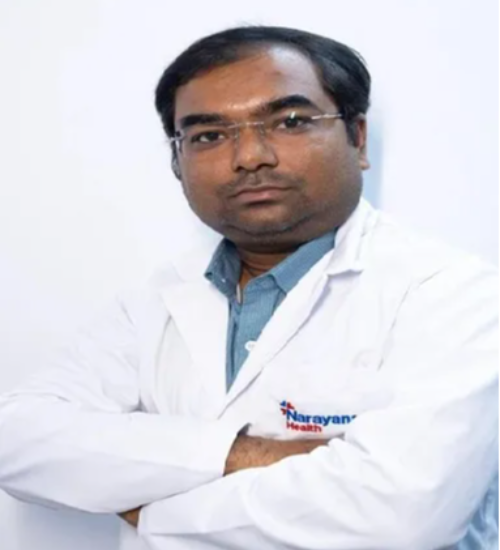
Breast-conserving surgery removes the tumor with an appropriate margin while preserving most of the breast and is an important area of Dr. Radha Raman Mondal's breast cancer practice.
Oncoplastic breast surgery combines cancer removal with reconstructive techniques to help maintain breast shape and appearance while achieving appropriate oncological clearance.
Cytoreductive surgery removes visible cancer deposits from the abdominal and peritoneal cavity and is used for selected peritoneal surface malignancies.
HIPEC involves circulating heated chemotherapy inside the abdominal cavity after cytoreductive surgery to target microscopic residual cancer cells in selected peritoneal malignancies.
Peritoneal surface malignancies involve cancers affecting the lining of the abdominal cavity. Treatment may include cytoreductive surgery combined with HIPEC in carefully selected patients.
Gastrointestinal cancer surgery includes procedures for cancers affecting the esophagus, stomach, colon, rectum and other digestive organs, with treatment planned according to tumor location and disease stage.
Esophageal cancer surgery involves removing the affected portion of the esophagus and reconstructing the digestive tract in selected patients with operable disease.
Stomach cancer surgery may involve partial or total removal of the stomach along with surrounding lymph nodes depending on tumor location and disease stage.
Colorectal cancer surgery involves removal of the affected portion of the colon or rectum and regional lymph nodes, with organ-preserving approaches considered where appropriate.
Liver cancer surgery may involve removal of the tumor-bearing part of the liver in selected patients with localised disease and adequate remaining liver function.
Pancreatic cancer surgery may involve complex pancreatic resections when the tumor is considered operable and the patient is fit for major surgery.
Gallbladder cancer surgery may include removal of the gallbladder, nearby liver tissue and regional lymph nodes depending on disease stage and extent.
Head and neck cancer surgery may involve treatment of tumors affecting the oral cavity, throat, thyroid and salivary glands while aiming to preserve important functional structures wherever possible.
Gynecological cancer surgery may be used for selected ovarian, cervical and uterine cancers as part of multidisciplinary cancer treatment.
Soft-tissue tumor surgery involves removing malignant tumors affecting muscles, connective tissue and related structures with appropriate surgical margins.
Skin cancer surgery aims to completely remove malignant skin lesions while preserving nearby healthy tissue and function wherever clinically possible.
Lung cancer surgery may involve removal of part of the affected lung in selected patients with localised disease and adequate respiratory function.
Omentectomy involves removal of part or all of the omentum and may be performed as part of cytoreductive surgery for selected abdominal and gynecological cancers.