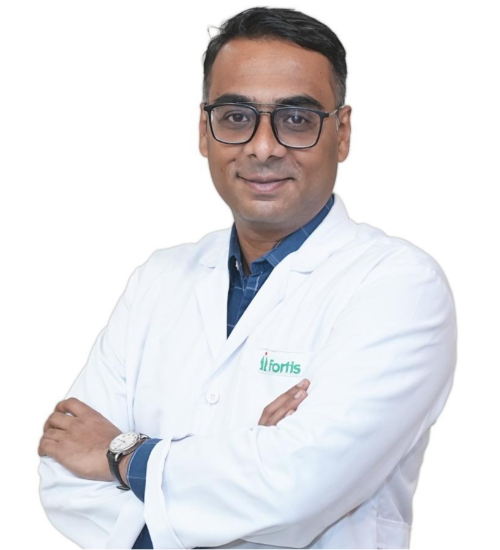
Dr. Yeshwanth R specialises in surgical oncology, focusing on the diagnosis and surgical treatment of malignant tumours. His expertise includes complex cancer surgery, minimally invasive procedures, multidisciplinary cancer management and surgical treatment planning for different types of cancer.
Dr. Yeshwanth R has expertise in gastrointestinal cancer surgery involving cancers of the stomach, intestines, colon, rectum and oesophagus. His surgical approach includes open and minimally invasive procedures selected according to tumour location, stage and overall patient health.
Dr. Yeshwanth R specialises in breast oncology and provides surgical treatment planning for breast cancer. His experience includes breast-conserving approaches, oncoplastic surgery and assessment for lymph node procedures. The surgical method depends on the stage and characteristics of the tumour.
Dr. Yeshwanth R has a clinical interest in oncoplastic breast surgery, which combines cancer removal with reconstructive surgical principles. Selected patients may benefit from approaches designed to preserve breast appearance while maintaining appropriate cancer treatment standards.
Dr. Yeshwanth R is experienced in laparoscopic cancer surgery. This minimally invasive approach uses small incisions and specialised instruments to perform selected oncological procedures. It may offer recovery advantages for suitable patients compared with conventional open surgery.
Dr. Yeshwanth R has expertise in robotic-assisted cancer surgery, using technology that supports precise instrument movement and enhanced visualisation during selected procedures. Suitability for robotic surgery depends on the type of cancer, its location and individual clinical considerations.
Dr. Yeshwanth R specialises in hepatopancreatobiliary oncology, which involves the surgical management of cancers affecting the liver, pancreas, gallbladder and biliary system. These complex cancers often require detailed imaging, staging and multidisciplinary treatment planning.
Dr. Yeshwanth R has expertise in surgical oncology for liver malignancies. Surgical treatment may be considered for selected primary or metastatic liver tumours based on tumour extent, liver function and the patient's general health.
Dr. Yeshwanth R has experience in the surgical assessment and management of pancreatic cancers. Treatment planning considers the tumour's location, involvement of nearby structures, disease stage and whether surgical removal is feasible.
Dr. Yeshwanth R provides surgical oncology expertise for colon and rectal cancers. Depending on tumour location and stage, treatment may involve minimally invasive or open surgery combined with other cancer therapies.
Dr. Yeshwanth R has clinical expertise in thoracic oncology, including surgical management of selected cancers affecting the lungs and chest. Treatment requires careful assessment of tumour stage, respiratory function and multidisciplinary recommendations.
Dr. Yeshwanth R's official website lists gynaecological oncology among his cancer surgery services. Surgical treatment of selected ovarian, uterine and other gynaecological cancers requires assessment of disease stage and coordination with relevant specialists.
Dr. Yeshwanth R's areas of oncology care include head and neck malignancies. Surgery for these cancers may involve tumour removal and reconstruction where required, with treatment planning aimed at preserving function whenever possible.
Dr. Yeshwanth R's website includes sentinel lymph node biopsy among his surgical oncology services. This procedure helps assess whether selected cancers, particularly breast cancer, have spread to nearby lymph nodes and supports appropriate cancer staging.
Dr. Yeshwanth R's practice website lists cytoreductive surgery and HIPEC evaluation among its services. Cytoreductive surgery aims to remove visible tumours within the abdominal cavity, while HIPEC may be considered for selected abdominal malignancies following specialist assessment.
Dr. Yeshwanth R provides specialist surgical oncology consultations and second opinions for patients diagnosed with cancer. Consultations may include reviewing pathology reports, imaging results, cancer staging, surgical options, possible risks and recovery expectations.