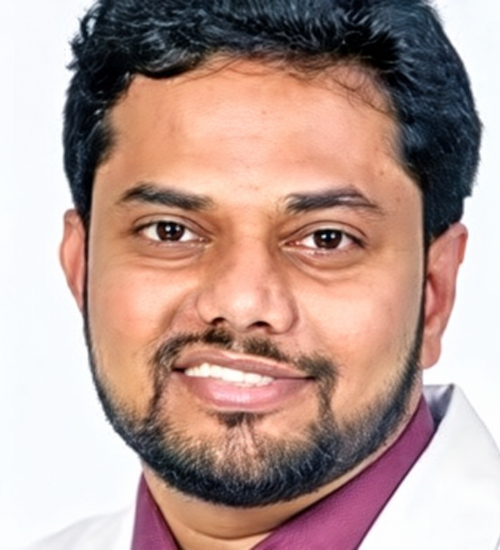
Minimally invasive cancer surgery uses specialised instruments and smaller incisions to perform selected oncological procedures. Dr. V Sreekanth Reddy has fellowship training in minimal access surgical oncology. These techniques may be considered for appropriate gastrointestinal, colorectal and other solid tumours, depending on cancer stage, surgical complexity and patient suitability.
Robotic cancer surgery uses surgeon-controlled robotic instruments to perform selected complex operations with enhanced visualisation and precision. Dr. V Sreekanth Reddy has completed a fellowship in minimal access and robotic surgical oncology. The suitability of robotic surgery depends on tumour location, disease stage, available equipment and the patient's overall medical condition.
Breast cancer surgery may involve breast-conserving surgery, mastectomy or lymph node procedures based on tumour characteristics and clinical staging. Dr. V Sreekanth Reddy has a documented interest in breast cancer surgery. Treatment planning considers imaging findings, biopsy results, patient preferences and the possible need for chemotherapy or radiation therapy.
Gynaecological cancer surgery may be required for selected malignancies affecting the ovaries, uterus, cervix and other reproductive organs. Dr. V Sreekanth Reddy has a professional interest in gynaecological oncology. Surgical treatment may involve tumour removal, staging procedures or other operations depending on the diagnosis and extent of disease.
Head and neck cancers can affect the oral cavity, throat, salivary glands and other nearby structures. Surgical management may involve removal of the tumour and selected lymph nodes. Dr. V Sreekanth Reddy has documented interests in head and neck malignancies, with treatment decisions guided by tumour location, staging and multidisciplinary assessment.
Colorectal cancer surgery aims to remove malignant tissue from the colon or rectum when surgical treatment is appropriate. Dr. V Sreekanth Reddy has a clinical interest in colorectal malignancies and minimally invasive surgical oncology. Surgical options may include open, laparoscopic or selected robotic procedures based on tumour stage and anatomical considerations.
Stomach cancer, also called gastric cancer, may require surgical removal of part or all of the stomach in selected patients. Dr. V Sreekanth Reddy has a documented interest in gastric malignancies. Surgical planning involves reviewing endoscopy findings, biopsy reports, imaging studies and the patient's suitability for operative treatment.
Thyroid cancer surgery may involve removing part or all of the thyroid gland, depending on tumour characteristics and disease extent. Dr. V Sreekanth Reddy is listed with thyroidectomy among his surgical procedures. Patients require appropriate evaluation, including imaging, thyroid assessment and specialist review before deciding on surgery.
Pancreatic and gastrointestinal cancers may require complex surgical procedures when the disease is considered operable. Dr. V Sreekanth Reddy is listed with pancreatic and gastric cancer treatment procedures. Surgical decisions depend on biopsy findings, staging investigations, the relationship of tumours to surrounding structures and multidisciplinary recommendations.
Cytoreductive surgery aims to remove visible cancer deposits within the abdomen in selected patients. Hyperthermic intraperitoneal chemotherapy, or HIPEC, involves circulating heated chemotherapy within the abdominal cavity during surgery. Dr. V Sreekanth Reddy is reported to have specialised training in these techniques, although their availability and individual suitability require confirmation.