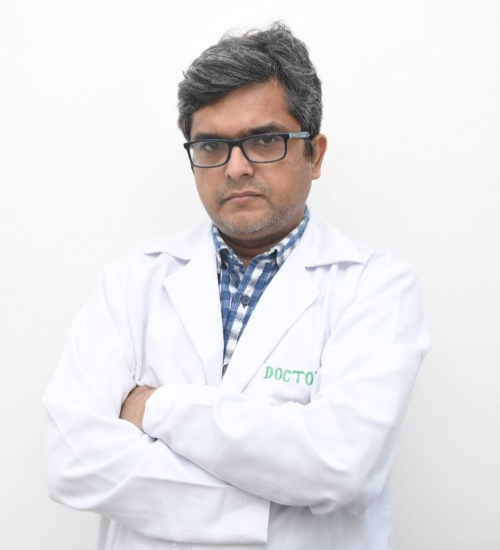
Dr. Shyam Kishore Mishra - Consultant – Neuro Surgery

Dr. Shyam Kishore Mishra – Neurosurgeon and Spine Surgery Specialist in Kolkata

Neurology

Consultant – Neuro Surgery

24 years

Fortis Hospitals

Kolkata

5.0★★★★★3 reviews

Dr. Shyam Kishore Mishra – Neurosurgeon and Spine Surgery Specialist in Kolkata

Dr. Shyam Kishore Mishra is a Consultant Neurosurgeon associated with Fortis Hospital, Anandapur, Kolkata. His clinical expertise includes neurosurgery, neuroendoscopy, vascular neurosurgery, brain tumour surgery, and spine surgery. His official Fortis Healthcare profile lists 24 years of experience, while a supplementary medical profile reports more than 26 years. He focuses on the surgical management of neurological conditions affecting the brain, spinal cord, and associated nervous system structures.

Dr. Shyam Kishore Mishra completed his MBBS from the Institute of Medical Sciences, Banaras Hindu University, followed by an MS in General Surgery from Banaras Hindu University. He subsequently completed his MCh in Neurosurgery from the All India Institute of Medical Sciences (AIIMS), New Delhi. This specialist surgical training forms the foundation of his work in complex brain and spine conditions.

One of Dr. Mishra's documented areas of interest is neuroendoscopy, including endoscopic third ventriculostomy and endoscopic pituitary surgery. Neuroendoscopic techniques use specialized instruments and visualization systems to reach selected areas within the brain through smaller surgical approaches. These procedures may be considered for particular conditions affecting cerebrospinal fluid circulation or the pituitary region, depending on the diagnosis and anatomical findings.

His clinical interests also include vascular neurosurgery, particularly the management of cerebral aneurysms and arteriovenous malformations. His official hospital biography identifies aneurysm clipping and treatment of arteriovenous malformations among his areas of interest. These conditions require careful evaluation using neurological examination and appropriate vascular imaging to determine the most suitable treatment approach.

Dr. Mishra's documented neuro-oncology interests include skull-base tumours, acoustic neuromas, and meningiomas. Brain and skull-base tumour surgery may require detailed planning to protect important neurological structures and preserve function wherever possible. His supplementary profile also identifies brain tumour resection, spinal instrumentation, degenerative disc surgery, and head trauma management among his clinical areas of expertise.

At Fortis Hospital, Anandapur, Kolkata, Dr. Shyam Kishore Mishra provides specialist neurosurgical care for patients requiring evaluation of brain, spine, and nervous system disorders. Treatment decisions depend on clinical assessment, diagnostic imaging, the nature of the neurological condition, and individual patient factors. Patients seeking consultation for complex neurosurgical problems can contact the hospital to confirm current appointment arrangements and treatment availability.

Other Information

Neuroendoscopic Surgery

Neuroendoscopic surgery is a minimally invasive neurosurgical approach that uses a specialized camera and instruments to access selected areas of the brain. It may be used for certain ventricular and intracranial conditions. The suitability of neuroendoscopy depends on the diagnosis, anatomical location, imaging findings, and the patient's overall medical condition.

Endoscopic Third Ventriculostomy

Endoscopic third ventriculostomy is a neurosurgical procedure used in selected patients with obstructive hydrocephalus. A small opening is created in the floor of the third ventricle to allow cerebrospinal fluid to bypass an obstruction. Patient selection depends on the cause of hydrocephalus, anatomy, age, and clinical assessment.

Endoscopic Pituitary Surgery

Endoscopic pituitary surgery is a minimally invasive approach used to treat selected pituitary tumours and related conditions. The procedure commonly involves reaching the pituitary region through the nasal passages using an endoscope. Treatment planning depends on tumour size, location, hormonal activity, surrounding structures, and relevant imaging investigations.

Cerebral Aneurysm Clipping

Cerebral aneurysm clipping is a microsurgical procedure used to treat selected brain aneurysms. A specialized clip is positioned across the aneurysm neck to prevent blood from entering the weakened area. The decision between surgical clipping, endovascular treatment, or monitoring depends on aneurysm characteristics, rupture status, and patient factors.

Brain Arteriovenous Malformation Management

Brain arteriovenous malformations are abnormal connections between arteries and veins that may increase the risk of intracranial bleeding. Management depends on their location, size, vascular anatomy, and symptoms. Treatment options may include microsurgery, endovascular embolization, stereotactic radiosurgery, or observation following specialist multidisciplinary assessment.

Skull Base Tumour Surgery

Skull base tumour surgery addresses selected tumours located near the lower structures of the brain and skull. These procedures require careful planning because important nerves, blood vessels, and neurological structures may be nearby. Surgical techniques are selected according to tumour characteristics, accessibility, and the risks and benefits of intervention.

Acoustic Neuroma Surgery

Acoustic neuroma, also called vestibular schwannoma, is usually a benign tumour involving the vestibular portion of the eighth cranial nerve. Treatment may involve monitoring, radiosurgery, or microsurgical removal depending on tumour size, growth, symptoms, and hearing status. Surgical planning considers facial nerve function and other important neurological structures.

Meningioma Surgery

Meningiomas are tumours that arise from the membranes surrounding the brain and spinal cord. Surgical removal may be recommended when a tumour causes symptoms, grows, or affects important neurological structures. Treatment decisions depend on tumour location, size, imaging characteristics, neurological findings, and the patient's overall health.

Brain Tumour Resection

Brain tumour resection is a surgical procedure to remove all or part of a tumour within the brain. Neurosurgeons use clinical assessment and advanced imaging to plan the procedure and evaluate neurological risks. The extent of removal depends on tumour type, location, involvement of important brain regions, and patient safety.

Degenerative Disc Surgery

Degenerative disc surgery may be considered for selected patients with spinal disc disease causing persistent nerve compression, neurological symptoms, or functional impairment. Surgical options depend on the affected spinal level and underlying condition. Treatment decisions generally follow clinical examination, imaging, and consideration of appropriate non-surgical management.

Spinal Instrumentation Surgery

Spinal instrumentation involves the use of implants such as screws, rods, or other devices to stabilize selected parts of the spine. It may be considered for spinal instability, deformity, trauma, or certain degenerative conditions. Surgical planning evaluates spinal alignment, neurological function, bone quality, and the underlying diagnosis.

Head Trauma Neurosurgical Management

Head trauma management focuses on evaluating injuries affecting the brain and surrounding structures. Patients may require neurological monitoring, brain imaging, intensive medical treatment, or surgery depending on injury severity. Neurosurgical intervention may be needed for certain intracranial bleeding, mass effect, or complications that threaten neurological function.

Education & Qualifications

MBBS,MS,MCh

Services

Neuroendoscopy, endoscopic third ventriculostomy, endoscopic pituitary surgery, cerebral aneurysm clipping, arteriovenous malformation management, skull-base tumour surgery, acoustic neuroma surgery, meningioma surgery, brain tumour resection, spinal surgery, complex spinal instrumentation, degenerative disc surgery and head trauma management. These areas are documented across the official Fortis and supplementary profiles

Patient Testimonials

What Patients Say About Dr. Shyam Kishore Mishra

Genuine patient experiences and treatment feedback.

5.0
3 reviews
D

Debasish Ghosh

Verified

Howrah • Neuroendoscopic Surgery Consultation

5.0

Learning About Neuroendoscopic Procedures

I approached Dr. Shyam Kishore Mishra to understand whether neuroendoscopic treatment might be suitable for a neurological condition. I was interested in the purpose of the procedure, the investigations required, and the potential limitations. My priority was to understand the treatment options before making a decision.

S

Sneha Mukherjee

Verified

Salt Lake • Spine Surgery Consultation

5.0

Questions About Degenerative Spine Disease

I visited Dr. Shyam Kishore Mishra to discuss persistent spinal discomfort and possible nerve compression. I wanted information about when surgical evaluation may be necessary and how doctors compare treatment options. Understanding the role of imaging and neurological examination was important before considering any procedure.

A

Arindam Roy

Verified

Kolkata • Brain Tumour Consultation

5.0

Understanding Brain Tumour Treatment Options

I consulted Dr. Shyam Kishore Mishra with concerns about a family member's brain tumour diagnosis. I wanted to understand the imaging findings, possible surgical approaches, and factors influencing treatment decisions. Learning about these considerations would help our family prepare questions and make informed decisions about further medical care

Frequently Asked Questions

Quick answers to common questions about Dr. Shyam Kishore Mishra

01

What is Dr. Shyam Kishore Mishra's speciality?

Dr. Shyam Kishore Mishra is a neurosurgeon specializing in brain and spine surgery. His documented clinical interests include neuroendoscopy, vascular neurosurgery, neuro-oncology, skull-base tumours and spine surgery.

02

What are Dr. Shyam Kishore Mishra's qualifications?

He holds MBBS, MS in General Surgery and MCh in Neurosurgery. His MCh qualification is from AIIMS, New Delhi, according to the official Fortis profile.

03

How many years of experience does Dr. Shyam Kishore Mishra have?

Fortis Healthcare lists 24 years of experience, while Save Life Healthcare reports 26+ years. The official Fortis figure is used provisionally, and the difference should be confirmed before publishing a definitive total.

04

Does Dr. Shyam Kishore Mishra perform brain tumour surgery?

His documented clinical interests include skull-base tumours, acoustic neuromas, meningiomas and brain tumour surgery. The specific treatment approach depends on tumour characteristics and the patient's condition.

05

Does Dr. Shyam Kishore Mishra specialize in spine surgery?

Yes. Spine surgery is included in his official Fortis biography. The supplementary source also identifies spinal instrumentation and degenerative disc surgery as areas of expertise.

Still have questions about Dr. Shyam Kishore Mishra?

Contact us for personalized help or to schedule an appointment.