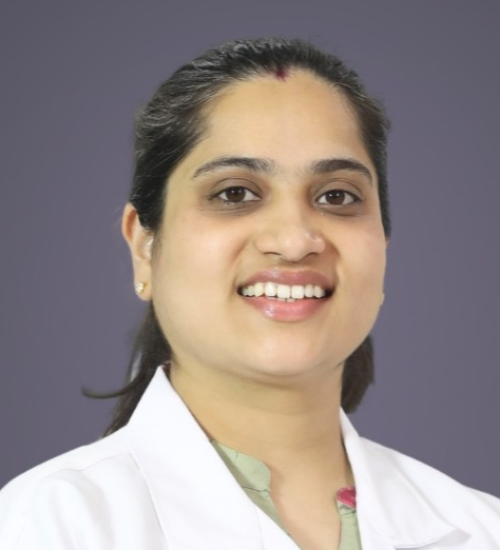
Dr. Sneha Dayanand Kamath - Consultant Neurologist, Parkinson's Disease & Movement Disorders Specialist

Dr. Sneha Dayanand Kamath – Parkinson's Disease & Movement Disorders Specialist in Bangalore

Neurology

Consultant Neurologist, Parkinson's Disease & Movement Disorders Specialist

13 Years

KIMS Hospitals

Bengaluru

5.0★★★★★3 reviews

Dr. Sneha Dayanand Kamath – Neurologist, Parkinson's Disease and Movement Disorders Specialist in Bangalore

Dr. Sneha Dayanand Kamath is a Consultant Neurologist and Movement Disorders Specialist in Bangalore with advanced training in Parkinson's disease, neurogenetics and neurological movement disorders. She has 13 years of overall medical experience as reported by Practo and holds a DM in Neurology from the National Institute of Mental Health and Neurosciences (NIMHANS), Bengaluru.

She is associated with KIMS Hospitals, Mahadevapura, Bengaluru, where she provides specialist consultations for Parkinson's disease, tremors, dystonia, gait abnormalities and other neurological conditions. She also has a published professional profile with Fortis Healthcare, Rajajinagar, Bangalore.

Dr. Sneha Dayanand Kamath completed her MBBS from Bangalore Medical College and Research Institute, followed by an MD in General Medicine from Sardar Patel Medical College, Bikaner. She completed her DM in Neurology and a postdoctoral fellowship in Parkinson's Disease and Movement Disorders from NIMHANS, Bengaluru.

Her clinical expertise includes Parkinson's disease management, essential tremor evaluation, dystonia treatment, botulinum toxin therapy and deep brain stimulation programming. She also provides neurological assessment for gait disorders, involuntary movements and other complex movement-related conditions.

Dr. Kamath has additional training in neurogenetics and autonomic disorders. Her clinical interests include genetic movement disorders, atypical Parkinsonism and the use of appropriate genetic investigations to support diagnosis and treatment planning in selected neurological conditions.

Beyond movement disorders, her neurological practice includes the evaluation and management of headaches, migraine, epilepsy, stroke-related complications, dementia and peripheral neuropathy. Treatment recommendations are based on medical history, neurological examination and relevant diagnostic investigations.

She has contributed to more than 20 peer-reviewed research publications, according to KIMS Hospitals, with work covering Parkinson's disease, movement disorders, deep brain stimulation, neurodegenerative conditions and neurological genetics. Her academic contributions also include presentations at national and international neurology conferences.

Patients experiencing hand tremors, slow movements, muscle stiffness, involuntary movements, walking difficulties, balance problems or other neurological symptoms can consult Dr. Sneha Dayanand Kamath for neurological assessment and individualized treatment planning.

For patients searching for a neurologist, Parkinson's specialist, tremor specialist or movement disorders doctor in Bangalore, Dr. Sneha Dayanand Kamath provides specialist neurological care with a focus on evidence-based treatment and long-term management.

Other Information

Neurology Consultation

Dr. Sneha Dayanand Kamath provides specialist neurological consultations for conditions affecting the brain, spinal cord, nerves and movement control. Evaluation may involve neurological examination, diagnostic investigations and individualized treatment planning.

Parkinson's Disease Treatment

Parkinson's disease is a progressive neurological condition that may cause tremors, slow movements, muscle stiffness and balance difficulties. Dr. Sneha Dayanand Kamath has specialized fellowship training in Parkinson's disease and movement disorders. Treatment may involve medication, rehabilitation and advanced therapies for suitable patients.

Atypical Parkinsonism Management

Atypical Parkinsonism includes neurological conditions such as multiple system atrophy, progressive supranuclear palsy and corticobasal syndrome. Specialist assessment helps distinguish these disorders from Parkinson's disease and guide symptom management.

Tremor Treatment

Tremors are involuntary rhythmic movements that may affect the hands, head or other parts of the body. Neurological assessment helps identify possible causes, including essential tremor, Parkinson's disease and medication-related conditions.

Essential Tremor Management

Essential tremor commonly causes shaking during movement or while holding a position. Treatment depends on symptom severity and may include medication, adaptive strategies and advanced therapies in selected cases.

Dystonia Treatment

Dystonia causes involuntary muscle contractions that can produce twisting movements or abnormal postures. Dr. Sneha Dayanand Kamath has expertise in managing cervical dystonia, writer's cramp and other forms of dystonia through appropriate medical and procedural treatments.

Botulinum Toxin Therapy

Botulinum toxin injections can help reduce excessive muscle activity in selected movement disorders, including cervical dystonia, blepharospasm and hemifacial spasm. Dr. Sneha Dayanand Kamath lists botulinum toxin treatment among her areas of clinical expertise.

Deep Brain Stimulation Programming

Deep Brain Stimulation (DBS) uses implanted electrodes to deliver electrical stimulation to targeted brain regions. Dr. Sneha Dayanand Kamath has expertise in DBS programming and neurological follow-up for suitable patients with movement disorders.

Gait and Balance Disorder Evaluation

Gait disorders may cause difficulty walking, unsteadiness, slow movement or frequent falls. Neurological evaluation helps identify whether symptoms are related to Parkinsonism, cerebellar disorders, neuropathy or other conditions.

Movement Disorder Evaluation

Movement disorders include conditions causing abnormal movements, tremors, stiffness, involuntary contractions or impaired coordination. Specialist evaluation helps identify the underlying neurological condition and guide treatment.

Functional Movement Disorder Management

Functional movement disorders cause genuine movement symptoms associated with changes in nervous system functioning rather than structural neurological damage. Treatment may include a clear diagnosis, specialist physiotherapy and multidisciplinary care.

Dyskinesia Management

Dyskinesia refers to involuntary movements that can occur in Parkinson's disease, including as a complication of certain medications. Management may involve reviewing medication schedules and considering advanced treatment options.

Ataxia Evaluation

Ataxia affects coordination, balance and walking. Dr. Sneha Dayanand Kamath has expertise in evaluating spinocerebellar ataxia and other neurological conditions causing impaired coordination.

Chorea and Myoclonus Treatment

Chorea involves irregular involuntary movements, while myoclonus causes sudden brief muscle jerks. Assessment includes identifying neurological, genetic, metabolic or medication-related causes and selecting appropriate treatment.

Neurogenetic Disorder Evaluation

Some neurological and movement disorders have an inherited genetic component. Dr. Sneha Dayanand Kamath has additional training in clinical genetics and provides evaluation of selected conditions where genetic testing may assist diagnosis.

Neurogenetic Counselling

Neurogenetic counselling helps patients and families understand the possible role of inherited genetic changes in neurological disorders. Counselling may include discussions about appropriate tests, result interpretation and implications for family members.

Migraine Treatment

Migraine is a neurological headache disorder that may cause moderate to severe headaches, nausea and sensitivity to light or sound. Treatment may include acute headache medication, preventive therapies and management of individual triggers.

Epilepsy and Seizure Management

Epilepsy involves recurrent unprovoked seizures. Neurological evaluation may include EEG testing, brain imaging and review of seizure history. Treatment is selected according to the seizure type and underlying cause.

Stroke Follow-Up Care

Stroke follow-up may involve neurological assessment, prevention of recurrent stroke, medication review and rehabilitation planning. Sudden weakness, facial drooping or speech difficulty requires immediate emergency medical attention.

Dementia and Memory Disorder Evaluation

Memory disorders may affect thinking, daily functioning and behaviour. Evaluation may include cognitive assessment, medical history, neurological examination and selected laboratory or imaging investigations.

Peripheral Neuropathy Treatment

Peripheral neuropathy may cause tingling, numbness, burning pain and weakness in the hands or feet. Management focuses on identifying the underlying cause, controlling symptoms and preventing complications.

Autonomic Disorder Evaluation

Autonomic nervous system disorders can affect blood pressure regulation, sweating, digestion and other involuntary body functions. Dr. Sneha Dayanand Kamath has additional training in autonomic disorders and related neurological assessment.

Education & Qualifications

MBBS, MD (General Medicine), DM (Neurology), Postdoctoral Fellowship in Parkinson's Disease and Movement Disorders

Services

Parkinson's Disease Treatment, Atypical Parkinsonism Management, Tremor Treatment, Essential Tremor Management, Dystonia Treatment, Botulinum Toxin Therapy, Deep Brain Stimulation (DBS) Programming

Patient Testimonials

What Patients Say About Dr. Sneha Dayanand Kamath

Genuine patient experiences and treatment feedback.

5.0
3 reviews
S

Suresh Babu

Verified

KR Puram • Dystonia Treatment

5.0

Clear Explanation of Dystonia Treatment

I visited Dr. Sneha Dayanand Kamath for involuntary neck movements and muscle stiffness. During the consultation, we discussed cervical dystonia and available treatment options, including botulinum toxin injections. She explained how the treatment works and why follow-up may be required. I felt more informed about my condition.

P

Priya Sharma

Verified

Whitefield • Essential Tremor Treatment

5.0

Good Consultation for Hand Tremors

I consulted Dr. Sneha Dayanand Kamath because my hands were shaking whenever I tried to write or hold a cup. I was worried it could be Parkinson's disease. The consultation helped me understand the possible causes of tremors and the difference between essential tremor and Parkinson's symptoms. The explanation was simple and useful.

R

Ramesh Kumar

Verified

Mahadevapura • Parkinson's Disease Treatment

5.0

Helpful Guidance for Parkinson's Treatment

I visited Dr. Sneha Dayanand Kamath for my father's Parkinson's disease treatment. He had been experiencing hand tremors, stiffness and difficulty walking. During the consultation, she explained the symptoms and discussed medication and physiotherapy options. I appreciated how clearly she explained the condition and the importance of regular follow-up.

Frequently Asked Questions

Quick answers to common questions about Dr. Sneha Dayanand Kamath

01

What is the best treatment for Parkinson's disease?

Parkinson's disease treatment is individualized according to symptoms, age and disease progression. Medication such as levodopa may help control movement symptoms, while physiotherapy, exercise and rehabilitation can support daily functioning. Selected patients may benefit from advanced therapies, including deep brain stimulation.

02

Can Parkinson's disease tremors be controlled without surgery?

Many patients experience improvement in Parkinson's tremors with appropriate medication. Exercise and rehabilitation can also help maintain movement and balance. Deep brain stimulation may be considered when troublesome symptoms remain despite optimized medical treatment.

03

What is Deep Brain Stimulation, and who is eligible for DBS treatment?

Deep Brain Stimulation involves surgically implanted electrodes that deliver controlled electrical signals to selected brain regions. It may benefit appropriately selected patients with Parkinson's disease, essential tremor or dystonia. Eligibility depends on neurological assessment and the likely benefits and risks.

04

Can botulinum toxin injections help treat dystonia and involuntary muscle movements?

Botulinum toxin injections can reduce abnormal muscle activity in certain forms of dystonia, including cervical dystonia and blepharospasm. Benefits are temporary, and injections may need to be repeated at suitable intervals.

05

What is the difference between essential tremor and Parkinson's disease tremor?

Essential tremor commonly occurs when using the hands or holding a position, while Parkinson's disease often causes tremor at rest along with slow movements and stiffness. These patterns are not absolute, so neurological examination is important for an accurate diagnosis.

Still have questions about Dr. Sneha Dayanand Kamath?

Contact us for personalized help or to schedule an appointment.