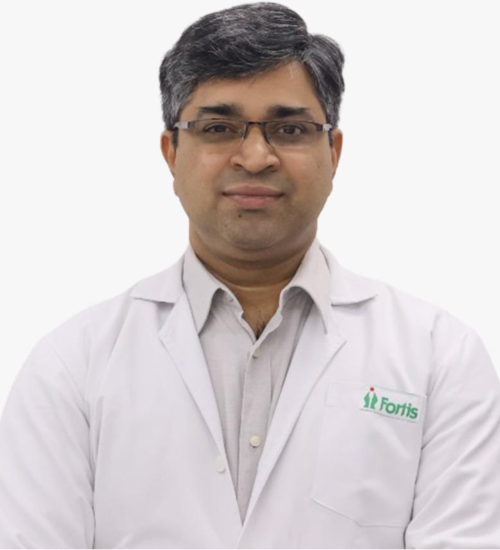
Brain tumour surgery involves the removal or surgical assessment of selected abnormal growths within the brain. Dr. Vishwas H V has documented expertise in brain tumour management and neurosurgical procedures. Treatment decisions depend on tumour location, size, imaging findings, neurological function and the potential risks of surgical intervention.
Deep Brain Stimulation is a neurosurgical treatment in which implanted electrodes deliver controlled electrical stimulation to selected brain regions. Dr. Vishwas H V has specialised training in functional neurosurgery and DBS. It may be considered for appropriately selected patients with movement disorders following detailed assessment by neurological specialists.
Parkinson's disease is a progressive neurological condition that may affect movement, coordination and muscle control. Dr. Vishwas H V has specialist expertise in surgical treatment options for selected patients with Parkinson's disease. Functional neurosurgical procedures such as DBS may be considered when symptoms remain difficult to control with appropriate medical treatment.
Dystonia can cause involuntary muscle contractions, while tremor involves rhythmic involuntary movements. Dr. Vishwas H V has experience in functional neurosurgery for movement disorders. Surgical interventions may be considered in selected patients when symptoms significantly affect daily functioning and suitable medical treatments provide insufficient relief.
Epilepsy surgery may be considered for selected patients whose seizures remain uncontrolled despite appropriate medication. Dr. Vishwas H V has advanced fellowship training in functional neurosurgery and complex epilepsy. Surgical evaluation may involve specialised brain imaging, seizure monitoring and multidisciplinary assessment to identify an appropriate treatment approach.
Awake brain tumour surgery is a specialised procedure in which selected neurological functions can be monitored while portions of the operation are performed with the patient awake. Dr. Vishwas H V is listed as having expertise in awake brain tumour surgery. This approach may be considered for tumours near important language or movement areas.
Minimally invasive spine surgery uses specialised instruments and smaller surgical approaches to treat selected spinal disorders. Dr. Vishwas H V completed fellowship training in minimally invasive spine surgery in South Korea. The approach may be considered for certain disc disorders, nerve compression conditions and other spinal problems following specialist evaluation.
Endoscopic spine surgery uses a specialised camera and instruments to perform selected spinal procedures through small access points. Dr. Vishwas H V has advanced training in endoscopic spine surgery. It may be suitable for particular spinal disc or nerve compression conditions, depending on imaging findings and individual anatomical considerations.
Microdiscectomy is a surgical technique used to remove selected portions of a herniated spinal disc that compresses a nerve. Dr. Vishwas H V has expertise in spine surgery and minimally invasive techniques. Surgical treatment may be considered when persistent symptoms or neurological deficits justify intervention after clinical assessment.
Spinal tumours may affect the vertebrae, spinal cord or surrounding nerves and can cause pain or neurological symptoms. Dr. Vishwas H V has documented expertise in spinal tumour management. Treatment planning depends on tumour type, location, neurological findings and whether surgery is appropriate for decompression, diagnosis or tumour removal.
Spinal cord injuries can cause weakness, sensory loss, pain or changes in bladder and bowel function. Dr. Vishwas H V has experience in neurosurgical management of spinal injuries and an interest in neurorestorative procedures. Care may involve stabilisation, surgical assessment, neurological monitoring and multidisciplinary rehabilitation planning.
Chronic pain may persist because of nerve-related disorders, spinal conditions or other neurological causes. Dr. Vishwas H V has expertise in neurosurgical treatment of chronic pain, including selected interventional and functional procedures. Treatment selection depends on diagnosis, previous treatment response and the potential benefits and risks of intervention.
Cancer-related pain can result from tumour involvement, nerve compression or other complications of malignant disease. Dr. Vishwas H V has documented expertise in neurosurgical management of cancer pain. Selected procedures may be considered as part of multidisciplinary care when medications and other appropriate pain treatments do not provide sufficient relief.
Spasticity causes abnormal muscle tightness and involuntary resistance to movement, often associated with neurological injury or disease. Dr. Vishwas H V has specialist interest in neurosurgical management of spasticity. Treatment may involve rehabilitation, medication and selected functional neurosurgical interventions after detailed assessment.
Spinal injections and nerve-related ablation procedures may be considered for selected causes of persistent back pain. Dr. Vishwas H V has experience evaluating non-surgical spine treatment approaches alongside operative options. The appropriate procedure depends on identifying the pain source and assessing likely benefits and risks.
Vagus Nerve Stimulation involves an implanted device that sends electrical impulses through the vagus nerve to help reduce seizures in selected patients with drug-resistant epilepsy. It is listed among Dr. Vishwas H V's treatment areas. Individual eligibility requires specialist epilepsy evaluation and review of available treatment alternatives.