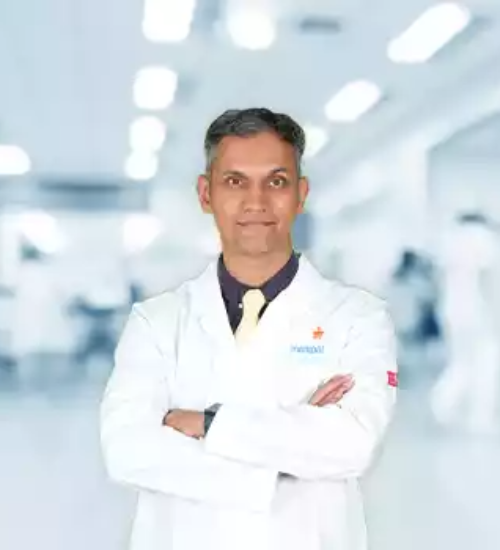
Dr. Ashwin Neelavar Udupa - Lead Consultant – Critical Care Medicine

Dr. Ashwin Neelavar Udupa – Critical Care Specialist in Bangalore

Intensive Care

Lead Consultant – Critical Care Medicine

21+ years of clinical experience

Manipal Hospitals

Bengaluru

5.0★★★★★3 reviews

Dr. Ashwin Neelavar Udupa – Critical Care Specialist in Bangalore

Dr. Ashwin Neelavar Udupa is a Critical Care Medicine specialist at Manipal Hospitals, Kanakapura Road, Bengaluru. His clinical work focuses on the assessment, stabilisation and intensive care management of critically ill patients who require close monitoring, advanced organ support and coordinated treatment. His professional experience includes critical care practice in India, the United Kingdom and Australia.

Dr. Ashwin completed his MBBS at Kasturba Medical College, Mangalore, followed by an MD in Anaesthesiology from Lokmanya Tilak Municipal Medical College, Mumbai. He undertook senior residency at the AIIMS Trauma Centre in New Delhi and pursued further training in paediatric anaesthesia. His additional credentials include the Fellowship of the Royal College of Anaesthetists (FRCA), the European Diploma in Intensive Care (EDIC), a fellowship in Neuro, Cardiac, ICU and Anaesthesia, and ECMO Advanced Extracorporeal Certification.

His areas of clinical interest include extracorporeal membrane oxygenation (ECMO), cardiothoracic intensive care, neurocritical care and trauma management. He is also experienced in caring for complex medical and surgical patients, including people who require intensive monitoring after major operations or organ transplantation. Critical care may involve respiratory support, circulatory support, rapid assessment and coordinated management of complications affecting multiple organs.

During his professional career, Dr. Ashwin has worked in intensive care settings in the UK, including a registrar role with Surrey and Sussex Healthcare NHS Trust. His academic and professional activities have included conference presentations, research posters, teaching programmes and workshops related to mechanical ventilation, trauma support, paediatric anaesthesia and ECMO. He received a poster prize at the AAGBI Winter Scientific Meeting in London in 2014 and a best-paper award at a paediatric anaesthesia conference in India in 2013.

At Manipal Hospitals, Dr. Ashwin contributes to critical care services, including efforts to strengthen patient safety, early recognition of clinical deterioration and coordinated decision-making among ICU teams. Intensive care frequently requires collaboration between intensivists, surgeons, anaesthetists, nurses and other specialists, alongside clear communication with patients’ families about the patient's condition and care plan.

Dr. Ashwin speaks English, Kannada, Hindi and Tulu. Patients and families seeking information about critical care services can contact Manipal Hospitals to confirm his current availability, the appropriate consultation pathway and the hospital services relevant to their needs.

Other Information

Critical Care Medicine

Critical care medicine supports patients with severe illnesses, major injuries or complications that require continuous observation and specialist treatment. Care may include frequent assessment, advanced monitoring and coordinated intervention to support vital organ function while the underlying condition is treated.

Intensive Care Unit (ICU) Management

ICU management involves close monitoring of patients whose condition may change rapidly. The care team assesses vital signs, organ function, response to treatment and emerging complications, adjusting the treatment plan as needed and coordinating care across relevant medical and surgical specialties.

Extracorporeal Membrane Oxygenation (ECMO)

ECMO is an advanced form of life support used in selected patients with severe heart or lung failure when conventional treatment is insufficient. It requires specialised equipment, careful monitoring and a trained multidisciplinary team. Suitability depends on the patient's condition and an individual specialist assessment.

Cardiothoracic Intensive Care

Cardiothoracic intensive care supports patients with complex heart and chest conditions, particularly around major cardiac or thoracic procedures. Monitoring may focus on breathing, circulation, rhythm, bleeding and organ function during recovery, with interventions tailored to the patient's clinical status.

Neurocritical Care

Neurocritical care involves intensive monitoring and treatment for serious neurological conditions, including severe brain injuries and other emergencies affecting the nervous system. The care team works to identify deterioration early, manage complications and support vital functions while treating the underlying neurological problem.

Trauma and Emergency Critical Care

Trauma critical care addresses severe injuries that may affect breathing, circulation, the brain or multiple organs. Treatment can include rapid stabilisation, continuous monitoring and coordinated care with emergency, surgical and other specialist teams. The plan depends on injury severity and the patient's response.

Mechanical Ventilation and Respiratory Support

Mechanical ventilation and other forms of respiratory support may be required when a patient cannot maintain adequate breathing independently. ICU specialists monitor oxygenation, ventilation and the patient's response, while addressing the underlying illness and reviewing support needs as the condition evolves.

Post-operative Intensive Care

Some patients need intensive monitoring after major surgery because of the complexity of the procedure or existing medical conditions. Post-operative critical care may include respiratory and circulatory support, pain management, monitoring for complications and coordination with the operating surgical team.

Post-transplant Critical Care

Patients recovering after organ transplantation may require close monitoring of vital organ function and surgical recovery. Critical care teams coordinate with transplant specialists to assess complications, support affected organs and manage the patient's immediate post-operative needs according to the transplant care plan.

Multi-organ Dysfunction Management

Multi-organ dysfunction occurs when two or more organ systems become impaired during a serious illness. Intensive care focuses on identifying the cause, supporting affected organs, monitoring changes and coordinating treatment among relevant specialists. Management is individualised to the patient's condition and response to care.

Resuscitation and Stabilisation

Resuscitation and stabilisation are urgent interventions used when a patient has a life-threatening problem involving breathing, circulation or consciousness. The clinical team rapidly assesses the situation, provides appropriate emergency support and arranges ongoing treatment and monitoring based on the cause and severity.

Paediatric Anaesthesia and Emergency Support

Paediatric anaesthesia requires care tailored to a child's age, size, medical condition and procedure. Specialist support may include preparation for anaesthesia, monitoring during treatment and management of emergencies. The approach depends on the child's clinical needs and the planned intervention.

Education & Qualifications

MBBS,MD,FRCA,ECMO

Services

Critical care medicine, intensive care management, extracorporeal membrane oxygenation (ECMO), cardiothoracic intensive care, neurocritical care, trauma and emergency critical care, post-operative intensive care, post-transplant critical care, mechanical ventilation, advanced organ support

Patient Testimonials

What Patients Say About Dr. Ashwin Neelavar Udupa

Genuine patient experiences and treatment feedback.

5.0
3 reviews
S

Suresh Bhat

Verified

Banashankar • Respiratory Support Consultation

5.0

Helpful and Easy-to-Understand Advice

I visited Dr. Ashwin Neelavar Udupa for guidance about respiratory support for a relative. He helped me understand why breathing support may be needed and how patients are monitored in intensive care. I appreciated the clear explanation, which made it easier for our family to understand the situation.

M

Meena Rao

Verified

JP Nagar • Post-operative Intensive Care

5.0

Supportive Guidance During Recovery

I visited Dr. Ashwin Neelavar Udupa to understand the intensive care required after my family member's surgery. He explained why close monitoring was important and answered our questions patiently. The explanation helped us better understand the recovery process and what to expect during the hospital stay.

R

Ravi Kumar

Verified

Kanakapura Road • Critical Care Consultation

5.0

Clear Explanation of Critical Care

Dr. Ashwin Neelavar Udupa for a critical care consultation for my family member. He explained the condition and the importance of intensive monitoring in a clear and understandable way. His approach helped us understand the treatment process and feel more prepared to discuss the next steps with the medical team.

Frequently Asked Questions

Quick answers to common questions about Dr. Ashwin Neelavar Udupa

01

What does Dr. Ashwin Neelavar Udupa specialise in?

Dr. Ashwin Neelavar Udupa specialises in Critical Care Medicine and intensive care. His reported clinical interests include ECMO, cardiothoracic intensive care, neurocritical care, trauma management and the care of critically ill medical and surgical patients. The appropriate treatment pathway depends on the patient's condition and whether specialist ICU care is required.

02

Where does Dr. Ashwin Neelavar Udupa practise?

. Ashwin Neelavar Udupa is associated with Manipal Hospitals, Kanakapura Road, Bengaluru. Patients should contact the hospital to confirm his current clinical schedule, appointment availability and the correct department for their needs. For a medical emergency, seek immediate emergency care rather than waiting for a routine appointment.

03

What qualifications does Dr. Ashwin Neelavar Udupa have?

His listed qualifications include MBBS, MD in Anaesthesiology, FRCA, EDIC, a fellowship in Paediatric Anaesthesia, a fellowship in Neuro, Cardiac, ICU and Anaesthesia, and ECMO Advanced Extracorporeal Certification. These credentials reflect training in anaesthesia and intensive care. The qualification details should be checked against the current official professional profile before publication.

04

What is ECMO, and when might it be needed?

Extracorporeal membrane oxygenation, or ECMO, is an advanced life-support technique that temporarily supports the heart or lungs in selected cases of severe organ failure. It is used only when clinically appropriate and requires specialised equipment and an experienced team. A critical care specialist evaluates the patient's condition, potential benefits, risks and alternative treatments.

05

When might a patient need intensive care?

Intensive care may be needed when a patient has a serious illness, major injury, severe breathing or circulatory problems, complications after surgery, or deterioration affecting vital organs. ICU teams provide continuous monitoring and specialised support. The decision to admit a patient to intensive care is based on clinical urgency, severity and the level of support required.

Still have questions about Dr. Ashwin Neelavar Udupa?

Contact us for personalized help or to schedule an appointment.