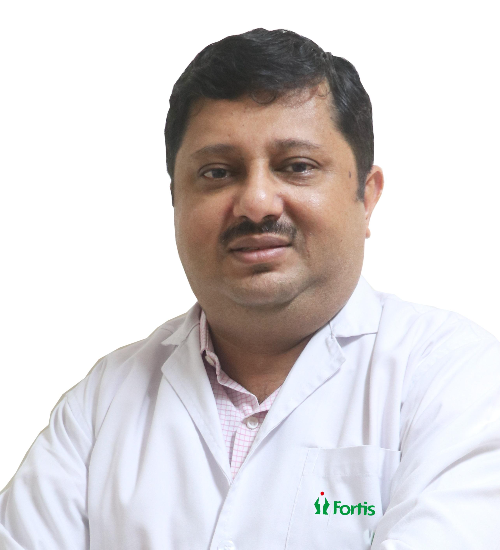
Dr. Subhaprakash Sanyal - Director – Hemato-Oncology & Bone Marrow Transplant

Dr. Subhaprakash Sanyal – Haematologist, Blood Cancer & Bone Marrow Transplant Specialist in Mumbai

Hematology

Director – Hemato-Oncology & Bone Marrow Transplant

26+ years

Fortis Hospitals

Mumbai

5.0★★★★★3 reviews

Dr. Subhaprakash Sanyal – Haematologist, Haemato-Oncologist and Bone Marrow Transplant Specialist in Mumbai

Dr. Subhaprakash Sanyal is the Director of Hemato-Oncology and Bone Marrow Transplantation at Fortis Hospital Mulund, Mumbai. His official hospital profile reports 14 years of experience. He specialises in the diagnosis and treatment of blood disorders, haematological cancers and conditions requiring advanced bone marrow or stem cell transplant care.

Dr. Subhaprakash Sanyal holds an MBBS, MD and DM in Clinical Haematology. His additional professional training includes fellowship experience at Vancouver General Hospital and the BC Cancer Agency in Canada, where he received specialist exposure to bone marrow transplantation and lymphoma management. His training supports the care of complex haematological diseases.

Leukaemia, lymphoma and multiple myeloma are major areas of Dr. Sanyal's clinical expertise. These conditions affect blood-forming or immune cells and may require specialised laboratory testing, bone marrow examination and disease-specific treatment. His clinical practice includes chemotherapy and the evaluation of patients for advanced treatment when indicated.

Dr. Sanyal also manages non-malignant blood disorders such as thalassaemia, sickle cell disease and conditions involving abnormal blood counts. Bone marrow failure syndromes, including aplastic anaemia and myelodysplastic syndromes, are additional specialist interests. Management depends on the diagnosis, disease severity and patient-specific factors.

Bone marrow and haematopoietic stem cell transplantation form a significant part of his documented expertise. His Fortis biography credits him with establishing the bone marrow transplant programme at Fortis Mulund and completing more than 180 transplantation procedures, including autologous and allogeneic transplants. These treatments require a specialised multidisciplinary team and extensive medical evaluation.

Beyond clinical treatment, Dr. Subhaprakash Sanyal is involved in medical education and research relating to blood disorders and haematological malignancies. His professional experience includes advanced diagnostic procedures, stem cell collection and management of treatment-related complications. Patients seeking consultation for blood cancers, marrow failure or transplantation can enquire through Fortis Hospital Mulund or Fortis Vashi, subject to current service availability.

Other Information

Clinical Haematology Consultation

Clinical haematology evaluates disorders affecting blood cells, clotting mechanisms and bone marrow. Patients may require assessment for abnormal blood counts, anaemia, unusual bleeding or suspected blood cancers. Investigations are selected according to symptoms and clinical findings to establish a diagnosis and plan appropriate treatment.

Leukaemia Diagnosis and Treatment

Leukaemia is a group of cancers involving blood-forming cells. Diagnosis may require blood tests, bone marrow examination and specialised molecular investigations. Treatment varies according to the disease type and may involve chemotherapy, targeted therapy or stem cell transplantation in selected patients.

Acute Myeloid Leukaemia Management

Acute myeloid leukaemia is a rapidly developing blood cancer that affects immature myeloid cells. Diagnosis involves laboratory and bone marrow testing. Treatment decisions consider genetic findings, age and overall health and may involve intensive or lower-intensity therapy and transplant assessment.

Acute Lymphoblastic Leukaemia Treatment

Acute lymphoblastic leukaemia affects immature lymphoid cells and requires specialised haematology care. Diagnosis includes blood and bone marrow investigations. Treatment usually follows a structured protocol and may involve chemotherapy, targeted therapies or transplantation depending on disease characteristics and treatment response.

Lymphoma Evaluation and Treatment

Lymphoma is a cancer of lymphatic and immune cells that may involve lymph nodes or other organs. Diagnosis generally requires tissue examination and staging investigations. Treatment depends on the lymphoma subtype and may include chemotherapy, immunotherapy, targeted medicines or selected transplant approaches.

Multiple Myeloma Management

Multiple myeloma affects plasma cells within the bone marrow and may cause bone damage, anaemia, kidney problems or abnormal protein levels. Treatment planning uses laboratory studies, imaging and marrow assessment. Appropriate therapy may include medications and autologous stem cell transplantation in suitable patients.

Autologous Bone Marrow Transplantation

Autologous stem cell transplantation uses a patient's own previously collected stem cells following selected high-dose treatments. It is commonly considered for certain blood cancers. Suitability depends on the diagnosis, treatment response, organ function and ability to tolerate the procedure.

Allogeneic Bone Marrow Transplantation

Allogeneic transplantation involves transferring healthy blood-forming stem cells from a suitable donor. It may be considered for selected leukaemias, marrow failure disorders and other haematological conditions. Treatment requires donor matching, infection prevention and careful monitoring for graft-related complications.

Stem Cell Harvesting and Collection

Stem cell harvesting involves collecting blood-forming stem cells for transplantation. Depending on the treatment plan, cells may be collected from peripheral blood or bone marrow. Collection requires appropriate donor or patient assessment and coordination with specialised transplantation and laboratory teams.

Aplastic Anaemia Management

Aplastic anaemia occurs when the bone marrow fails to produce sufficient blood cells. Patients may experience fatigue, infections or abnormal bleeding. Diagnosis involves blood tests and bone marrow examination. Treatment can include supportive care, immunosuppressive medicines or transplantation in selected cases.

Myelodysplastic Syndrome Treatment

Myelodysplastic syndromes are bone marrow disorders associated with ineffective blood cell production. They may cause anaemia, infections or bleeding and can vary in severity. Treatment depends on disease classification and may include monitoring, supportive therapy, medication or transplantation assessment.

Thalassaemia and Sickle Cell Disorder Management

Thalassaemia and sickle cell disease are inherited blood disorders that affect haemoglobin. Evaluation may include haemoglobin testing and selected genetic investigations. Management depends on disease severity and can involve monitoring, transfusion support, medication and specialist evaluation for advanced therapies.

Bone Marrow Aspiration and Biopsy

Bone marrow aspiration and biopsy are diagnostic procedures used to investigate abnormal blood counts, suspected blood cancers and marrow disorders. Samples are analysed through microscopy and selected additional tests. The results help establish disease classification and guide appropriate treatment.

Chemotherapy for Haematological Cancers

Chemotherapy may be used to treat selected leukaemias, lymphomas and other haematological cancers. The treatment regimen depends on disease type, stage and patient-specific risks. Care includes monitoring for infection, blood count changes and other potential side effects.

Platelet and Coagulation Disorder Evaluation

Platelet and coagulation disorders may cause unusual bleeding, bruising or abnormal blood clotting. Assessment includes medical history, blood counts and specialised coagulation testing. Treatment depends on the specific disorder, symptoms and associated medical conditions.

Haematological Cancer Diagnostic Testing

Diagnosing blood cancers may require examination of blood and marrow samples, immunophenotyping, cytogenetics and molecular investigations. These tests help determine the disease subtype and identify findings relevant to treatment. Results should be interpreted by a qualified specialist alongside the patient's clinical condition.

Education & Qualifications

MBBS, MD, DM (Clinical Haematology)

Services

Clinical Haematology Consultation, Bone Marrow Transplantation, Autologous Stem Cell Transplant, Allogeneic Stem Cell Transplant, Leukaemia Treatment, Lymphoma Treatment, Multiple Myeloma Management, Aplastic Anaemia Management, Myelodysplastic Syndrome Assessment, Thalassaemia Management, Sickle Cell Disease Assessment, Bone Marrow Aspiration, Bone Marrow Biopsy, Stem Cell Harvesting, Chemotherapy, Platelet Disorder Assessment, Coagulation Disorder Evaluation and Haematological Cancer Diagnostics.

Patient Testimonials

What Patients Say About Dr. Subhaprakash Sanyal

Genuine patient experiences and treatment feedback.

5.0
3 reviews
A

Amit Desai

Verified

Mulund • Multiple Myeloma Consultation

5.0

Informative Consultation

I consulted Dr. Subhaprakash Sanyal regarding multiple myeloma. He reviewed the medical reports and explained why additional investigations may be needed before choosing treatment. His explanation helped me understand the available options

P

Priya Mehta

Verified

Thane • Bone Marrow Transplant Consultation

5.0

Clear Guidance About Transplantation

I visited Dr. Subhaprakash Sanyal to discuss a possible bone marrow transplant. He explained how donor selection, medical evaluation and transplant preparation are considered. The consultation helped our family understand the treatment process and prepare questions about possible risks.

R

Rohan Shah

Verified

Mumbai • Leukaemia Consultation

5.0

Helpful Explanation of Treatment

I consulted Dr. Subhaprakash Sanyal regarding leukaemia treatment for a family member. He explained the investigations and treatment options clearly. We found the discussion useful in understanding the next steps and the importance of regular monitoring.

Frequently Asked Questions

Quick answers to common questions about Dr. Subhaprakash Sanyal

01

Who is Dr. Subhaprakash Sanyal?

He is Director of Hemato-Oncology and BMT at Fortis Mulund, Mumbai, specialising in blood disorders, blood cancers and stem cell transplantation.

02

What are his qualifications?

MBBS, MD and DM (Clinical Haematology), with additional fellowship training in Canada.

03

How many years of experience does he have?

Fortis reports 14 years, while Cancer Rounds reports 26+ years. The figure needs confirmation.

04

Does he treat leukaemia and lymphoma?

Yes. Fortis identifies both among his principal clinical specialties.

05

Does he treat multiple myeloma?

Yes. Multiple myeloma management is explicitly listed in his official profile.

Still have questions about Dr. Subhaprakash Sanyal?

Contact us for personalized help or to schedule an appointment.