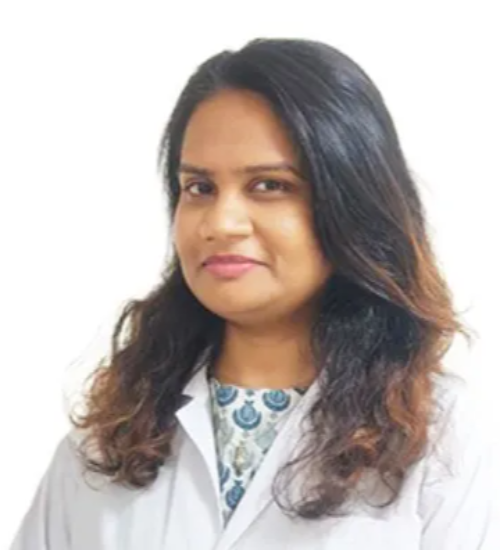
Dr. Juhi Shah - Consultant – Paediatric Haematology

Dr. Juhi Shah – Paediatric Haemato-Oncologist & Bone Marrow Transplant Specialist in Mumbai

Hematology

Consultant – Paediatric Haematology

10+ Years of Experience

Fortis Hospitals

Mumbai

5.0★★★★★3 reviews

Dr. Juhi Shah – Paediatric Haemato-Oncologist and Bone Marrow Transplant Specialist in Mumbai

Dr. Juhi Shah is a Consultant Paediatric Haemato-Oncologist associated with Fortis Hospital, Mulund, Mumbai, and MRR Children's Hospital, Thane. With over 10 years of reported clinical experience, she specialises in the diagnosis and treatment of childhood cancers, blood disorders and conditions requiring bone marrow or haematopoietic stem cell transplantation. Her practice focuses on providing comprehensive, age-appropriate care for infants, children and adolescents.

Dr. Juhi Shah completed her MBBS at Lokmanya Tilak Municipal Medical College and Sion Hospital, Mumbai, followed by postgraduate training in Paediatrics. Her qualifications include MD in Paediatrics, DNB in Paediatrics and DM in Paediatric Oncology. She received super-speciality training at Tata Memorial Hospital, Mumbai, including specialised exposure to childhood cancers and paediatric bone marrow transplantation.

Her principal clinical interests include childhood leukaemia, lymphoma and paediatric solid tumours. She manages conditions such as acute lymphoblastic leukaemia, acute myeloid leukaemia and selected childhood tumours. Paediatric cancer treatment requires detailed diagnostic evaluation, risk assessment and individualised medical treatment planning, often involving chemotherapy and other specialised therapies.

Dr. Shah also has expertise in the management of non-malignant childhood blood disorders, including thalassaemia, sickle cell disease and other complex haematological conditions. These disorders may affect haemoglobin production, blood cell function or bone marrow activity. Treatment can involve medication, transfusion support, specialised monitoring and, in selected cases, haematopoietic stem cell transplantation.

Bone marrow transplantation is an important component of her clinical expertise. MRR Children's Hospital documents her work with both autologous and allogeneic stem cell transplantation. These treatments may be considered for selected childhood cancers and serious blood disorders following comprehensive assessment. Transplant care requires close monitoring for infection, immune complications, organ function and recovery of blood cell production.

Dr. Juhi Shah takes a multidisciplinary approach to paediatric cancer and haematology care, considering the child's medical condition, development and longer-term wellbeing. Her work involves coordinating diagnostic investigations, systemic cancer treatment and supportive care. Families seeking specialist consultation for childhood cancer, thalassaemia, sickle cell disease or bone marrow transplantation in Mumbai and Thane may consult her at her listed hospitals.

Other Information

Acute Lymphoblastic Leukaemia (ALL) Treatment

Acute lymphoblastic leukaemia is a cancer affecting immature lymphoid cells and is among the most common childhood cancers. Treatment typically involves risk-adapted chemotherapy delivered in several phases. Management requires regular blood tests, infection prevention, supportive care and monitoring for treatment-related complications and long-term effects.

Acute Myeloid Leukaemia (AML) Treatment

Acute myeloid leukaemia is a blood cancer involving abnormal myeloid cells in the bone marrow. Treatment may include intensive chemotherapy, targeted therapy in selected cases and stem cell transplantation for certain high-risk patients. Careful monitoring is required because treatment can temporarily suppress normal blood cell production.

Paediatric Lymphoma Treatment

Paediatric lymphoma includes Hodgkin lymphoma and various forms of non-Hodgkin lymphoma affecting children and adolescents. Treatment depends on lymphoma subtype, stage and clinical risk factors. Chemotherapy is commonly used, while selected cases may require immunotherapy, targeted treatments or other specialist interventions.

Neuroblastoma Treatment

Neuroblastoma is a childhood cancer that develops from immature nerve cells, often in or near the adrenal glands. Treatment varies according to age, tumour characteristics and risk category. Management may involve chemotherapy, surgery, radiotherapy, immunotherapy or stem cell transplantation in selected high-risk cases.

Wilms Tumour Treatment

Wilms tumour is a type of kidney cancer that mainly affects young children. Management commonly involves paediatric oncology treatment combined with surgical care. Depending on stage and clinical protocols, chemotherapy and sometimes radiotherapy may be recommended. Treatment decisions are coordinated through a multidisciplinary paediatric cancer team.

Paediatric Solid Tumour Management

Childhood solid tumours are abnormal growths that develop in organs, bones or soft tissues. Examples include neuroblastoma, Wilms tumour and certain sarcomas. Treatment may combine chemotherapy, surgery, radiotherapy and other specialised therapies depending on tumour type, location, stage and clinical risk factors.

Paediatric Bone Tumour Oncology

Bone cancers in children and adolescents include conditions such as osteosarcoma and Ewing sarcoma. Treatment often requires coordinated care involving paediatric oncology, orthopaedic oncology and radiation specialists. Chemotherapy and surgery may be used according to the tumour diagnosis and extent of disease.

Paediatric Chemotherapy

Paediatric chemotherapy uses medicines to destroy cancer cells or reduce their growth in children with selected malignancies. Treatment is tailored to the cancer type, disease stage and the child's health. Specialist care includes monitoring blood counts, managing side effects and supporting nutrition and infection prevention.

Autologous Stem Cell Transplantation

Autologous stem cell transplantation uses a patient's own previously collected blood-forming stem cells after intensive therapy. It may be considered for selected childhood cancers, including certain high-risk or recurrent malignancies. The process requires specialised preparation, infection prevention, supportive care and careful monitoring during recovery.

Allogeneic Bone Marrow Transplantation

Allogeneic stem cell transplantation uses blood-forming stem cells from a compatible donor. It may be considered for selected leukaemias, bone marrow failure disorders and inherited blood diseases. Treatment involves donor matching, conditioning therapy, transplantation and ongoing monitoring for infection, graft rejection and graft-versus-host disease.

Thalassaemia Management

Thalassaemia is an inherited blood disorder that reduces normal haemoglobin production. Severe forms may require regular blood transfusions, iron chelation therapy and monitoring for complications. Some children may be eligible for curative treatment through haematopoietic stem cell transplantation following specialist assessment.

Sickle Cell Disease Management

Sickle cell disease is an inherited blood disorder in which abnormal haemoglobin can cause red blood cells to become rigid and obstruct circulation. Management includes infection prevention, pain care, appropriate medication, transfusion support and monitoring for organ complications. Stem cell transplantation may be considered for selected patients.

Aplastic Anaemia Treatment

Aplastic anaemia is a bone marrow disorder in which insufficient blood cells are produced. Children may develop fatigue, infections or bleeding due to low blood counts. Treatment depends on disease severity and may include supportive transfusions, immunosuppressive treatment or stem cell transplantation.

Paediatric Blood Disorder Evaluation

Paediatric blood disorder evaluation investigates abnormal haemoglobin levels, low platelet counts, unusual bleeding, recurrent infections or other blood-related concerns in children. Diagnostic testing may include blood counts, blood film examination, haemoglobin studies and specialised bone marrow investigations when clinically indicated.

Supportive Care During Childhood Cancer Treatment

Supportive oncology care addresses complications that may occur during treatment for childhood cancer. It includes monitoring blood counts, preventing and treating infections, managing nausea or pain, and supporting nutrition and hydration. Close coordination among paediatric specialists, nurses and families is essential throughout treatment.

Education & Qualifications

MBBS, MD (Paediatrics), DNB (Paediatrics), DM (Paediatric Oncology)

Services

Childhood Leukaemia Treatment, Acute Lymphoblastic Leukaemia Management, Acute Myeloid Leukaemia Management, Paediatric Lymphoma Treatment, Childhood Solid Tumour Management, Neuroblastoma Treatment, Wilms Tumour Management, Paediatric Bone Tumour Oncology, Childhood Brain Tumour Medical Management, Paediatric Chemotherapy, Paediatric Bone Marrow Transplantation, Autologous Stem Cell Transplantation, Allogeneic Stem Cell Transplantation, Thalassaemia Management, Sickle Cell Disease Management, Aplastic Anaemia Assessment, Childhood Blood Disorder Evaluation, Paediatric Supportive Oncology Care

Patient Testimonials

What Patients Say About Dr. Juhi Shah

Genuine patient experiences and treatment feedback.

5.0
3 reviews
S

Sneha Kulkarni

Verified

Navi Mumbai • Paediatric Bone Marrow Transplant Consultation

5.0

Understanding Bone Marrow Transplantation

I consulted Dr. Juhi Shah to learn about bone marrow transplantation for a childhood blood disorder. She explained the differences between donor and autologous stem cell transplants. The discussion helped me understand transplant evaluation, possible complications and the importance of specialist follow-up.

R

Rajesh Shah

Verified

Thane • Thalassaemia Management

5.0

Informative Consultation About Thalassaemia

I visited Dr. Juhi Shah regarding thalassaemia management for my child. She explained why blood counts, transfusion requirements and iron levels must be monitored. I appreciated the information about long-term care and circumstances in which stem cell transplantation may be considered.

P

Priya Mehta

Verified

Mumbai • Childhood Leukaemia Consultation

5.0

Clear Explanation of Childhood Cancer Care

I consulted Dr. Juhi Shah to understand the treatment options for a child diagnosed with leukaemia. She explained the importance of identifying the exact disease type and planning treatment carefully. The discussion helped me understand chemotherapy, supportive care and the need for regular monitoring.

Frequently Asked Questions

Quick answers to common questions about Dr. Juhi Shah

01

Who is Dr. Juhi Shah?

Dr. Juhi Shah is a Consultant Paediatric Haemato-Oncologist associated with Fortis Hospital, Mulund, and MRR Children's Hospital, Thane. She specialises in childhood cancers, blood disorders and bone marrow transplantation

02

What are Dr. Juhi Shah's qualifications?

She holds MBBS, MD (Paediatrics), DNB (Paediatrics) and DM (Paediatric Oncology), according to her hospital and supplementary professional references.

03

How many years of experience does Dr. Juhi Shah have?

Fortis Healthcare lists 10 years of professional experience, while HexaHealth and Satyug Healthcare report 10+ years.

04

What types of childhood cancer does Dr. Juhi Shah treat?

Her documented areas include childhood leukaemia, lymphoma and solid tumours. The exact treatment plan depends on cancer type, stage and individual clinical circumstances.

05

Does Dr. Juhi Shah provide bone marrow transplantation?

Her official MRR Children's Hospital profile confirms expertise in autologous and allogeneic bone marrow transplantation. Transplant eligibility depends on the patient's diagnosis, donor availability and specialist assessment

Still have questions about Dr. Juhi Shah?

Contact us for personalized help or to schedule an appointment.