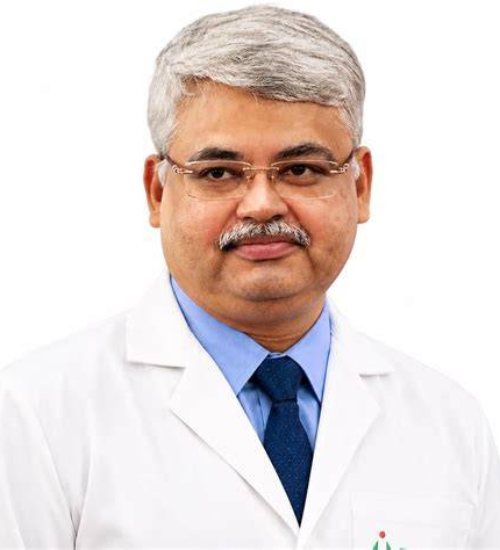
Dr. Nitin Phadke - Consultant – General Surgery

Dr. Nitin Phadke – General and Laparoscopic Surgeon in Kalyan, Mumbai

General Surgery

33 years

Fortis Hospitals, Kalyan, Mumbai
5.0★★★★★3 reviews

Dr. Nitin Phadke – General and Laparoscopic Surgeon in Kalyan, Mumbai

Dr. Nitin Phadke is a Consultant General and Laparoscopic Surgeon associated with Fortis Hospital, Kalyan, Mumbai. He has 33 years of experience according to his hospital profile. His clinical practice includes general surgery, advanced laparoscopic procedures, gastrointestinal surgery, and diagnostic and therapeutic gastrointestinal endoscopy.

Dr. Phadke completed his MBBS and MS in General Surgery at Lokmanya Tilak Municipal Medical College, Mumbai, and also holds a DNB qualification. He further developed his surgical skills through fellowships at Modbury Hospital in Australia and Clinica Chirurgica in Italy. His advanced training includes a Diploma in Laparoscopic General Surgery and Colorectal Surgery from IRCAD, Strasbourg, France.

His documented surgical experience includes laparoscopic cholecystectomy, appendectomy, hernia repair, fundoplication, colectomy, and hysterectomy. These procedures address selected conditions affecting the abdominal organs and related structures. Laparoscopic techniques use small incisions and specialized equipment, although their suitability depends on the individual patient's condition and surgical requirements.

Dr. Phadke also has experience in upper and lower gastrointestinal endoscopic procedures, including diagnostic and therapeutic interventions. Endoscopy assists in evaluating gastrointestinal abnormalities and may allow selected treatments to be performed without conventional open surgery. His professional training also includes participation in a workshop on natural orifice transluminal endoscopic surgery.

At Fortis Hospital, Kalyan, Dr. Phadke provides specialist surgical evaluation for patients with conditions such as gallbladder disease, appendicitis, hernias, gastroesophageal reflux, and selected colorectal disorders. His extensive background in general surgery and minimally invasive techniques supports individualized surgical planning according to clinical findings.

Other Information

Laparoscopic Cholecystectomy

Laparoscopic cholecystectomy removes the gallbladder through small abdominal incisions, commonly for symptomatic gallstones or certain gallbladder complications. A camera and specialized surgical instruments are used. The procedure is selected after reviewing symptoms, imaging findings, and medical risk factors.

Laparoscopic Appendectomy

Laparoscopic appendectomy is a minimally invasive procedure used to remove an inflamed appendix. Small incisions allow a camera and instruments to enter the abdomen. The approach depends on the severity of appendicitis and the patient's overall clinical condition.

Inguinal Hernia Repair

Inguinal hernia repair treats tissue protruding through a weakness in the groin region. Surgery may be performed through an open or laparoscopic approach. Mesh reinforcement is commonly used, depending on hernia characteristics and individual patient factors.

Umbilical Hernia Repair

Umbilical hernia repair corrects an abdominal wall weakness around the navel. Surgery may be considered for symptomatic, enlarging, or complicated hernias. The choice of surgical approach depends on the size of the defect, medical condition, and associated risk factors.

Laparoscopic Fundoplication

Laparoscopic fundoplication is an operation sometimes used for gastroesophageal reflux disease when selected patients require surgical management. The upper portion of the stomach is wrapped around the lower oesophagus to reinforce the reflux barrier. Careful assessment is essential before surgery.

Laparoscopic Colectomy

Laparoscopic colectomy involves removing a portion of the large intestine through small incisions. It may be used for selected colorectal diseases, including certain tumors or inflammatory conditions. The extent of surgery depends on diagnosis, disease location, and clinical assessment.

Upper Gastrointestinal Endoscopy

Upper GI endoscopy uses a flexible camera to examine the oesophagus, stomach, and duodenum. It may help investigate ulcers, persistent reflux symptoms, swallowing difficulties, and gastrointestinal bleeding. Tissue samples or selected therapeutic interventions may be performed during the examination.

Lower Gastrointestinal Endoscopy

Lower gastrointestinal endoscopy examines the colon and rectum to identify conditions such as inflammation, polyps, and sources of bleeding. It can support diagnosis and allow biopsies or selected interventions. Preparation and procedure selection depend on the clinical indication.

Therapeutic Gastrointestinal Endoscopy

Therapeutic gastrointestinal endoscopy uses endoscopic instruments to manage selected digestive conditions, including certain bleeding lesions or abnormal tissue growths. The technique may reduce the need for conventional surgery in appropriate cases. Availability and suitability depend on the specific procedure.

Colorectal Surgery

Colorectal surgery involves treating selected diseases of the colon and rectum. Operations may be considered for tumors, structural abnormalities, complications of inflammation, or other conditions. The surgical approach is based on diagnostic findings and the patient's overall health.

Advanced Laparoscopic Abdominal Surgery

Advanced laparoscopic surgery uses specialized cameras and instruments to perform complex abdominal operations through small incisions. Not all conditions are suitable for this approach. Surgical planning takes into account disease severity, anatomy, previous operations, and possible complications.

Laparoscopic Hysterectomy

Laparoscopic hysterectomy is a minimally invasive operation to remove the uterus for selected gynaecological conditions. It may be considered for certain benign or other medically indicated conditions. The procedure requires appropriate gynaecological assessment, surgical planning, and informed consent.

Education & Qualifications

MBBS, MS (General Surgery), DNB

Services

Laparoscopic Cholecystectomy, Laparoscopic Appendectomy, Laparoscopic Hernia Repair, Fundoplication, Laparoscopic Colectomy, Upper Gastrointestinal Endoscopy, Lower Gastrointestinal Endoscopy, Therapeutic GI Endoscopy, Colorectal Surgery, Advanced Laparoscopic Surgery, General Abdominal Surgery, Hysterectomy

Patient Testimonials

What Patients Say About Dr. Nitin Phadke

Genuine patient experiences and treatment feedback.

5.0
3 reviews
R

Rajesh Nair

Verified

Thane • Fundoplication Assessment

5.0

Exploring Surgical Treatment for Reflux

I sought surgical advice regarding persistent reflux symptoms. This fictional review discusses the role of diagnostic investigations, medical treatment, and situations in which fundoplication might be considered.

M

Meera Patil

Verified

Dombivli • Hernia Repair

5.0

Detailed Discussion of Hernia Surgery

I visited Dr. Phadke to learn whether laparoscopic hernia repair might be appropriate. This illustrative experience focuses on understanding the differences between open and minimally invasive approaches and the factors that influence the recommendation.

S

Sunil Kulkarni

Verified

Kalyan • Gallbladder Surgery

5.0

Understanding Laparoscopic Gallbladder Removal

I consulted Dr. Nitin Phadke to understand the surgical options available for gallstone-related symptoms. This fictional consultation describes discussing laparoscopic surgery, preparation, potential risks, and expected follow-up requirements before making a decision.

Frequently Asked Questions

Quick answers to common questions about Dr. Nitin Phadke

01

When is laparoscopic gallbladder surgery recommended?

Laparoscopic cholecystectomy is commonly recommended for symptomatic gallstones or selected gallbladder complications after clinical assessment and imaging.

02

How does laparoscopic appendectomy differ from open appendectomy?

Laparoscopic appendectomy uses small incisions and a camera, while open appendectomy uses a larger incision. The preferred method depends on the individual clinical situation.

03

Can a hernia return after surgical repair?

Yes. Hernia recurrence is possible after either open or laparoscopic repair. Risk depends on factors such as tissue quality, surgical technique, infection, and overall health.

04

When is fundoplication considered for acid reflux?

Fundoplication may be considered for selected patients with confirmed gastroesophageal reflux who require surgical treatment after appropriate investigations and medical assessment.

05

What conditions may require colorectal surgery?

Colorectal surgery may be needed for selected cancers, severe inflammatory conditions, structural abnormalities, or complications affecting the colon and rectum.

Still have questions about Dr. Dr. Nitin Phadke?

Contact us for personalized help or to schedule an appointment.

Dr. Nitin Phadke | Laparoscopic Surgeon in Kalyan, Mumbai | Medpas Health