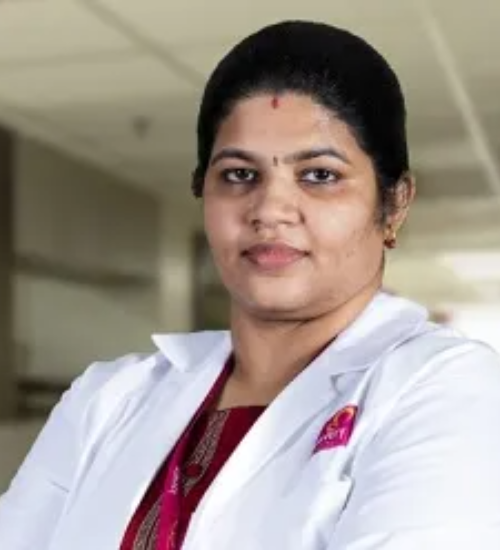
Dr. Malarvizhi Sanjeevi is Head and Consultant in Emergency Medicine at Fortis Hospital, Bannerghatta Road, Bangalore. She has extensive experience in emergency and trauma care, focusing on the rapid assessment and stabilisation of patients presenting with serious illnesses, injuries and potentially life-threatening conditions. Her clinical work involves timely medical intervention and coordination with specialist healthcare teams.
Dr. Malarvizhi Sanjeevi has professional expertise in trauma and emergency medicine. Trauma care involves the immediate assessment of injuries resulting from road accidents, falls and other incidents. Initial treatment prioritises breathing, circulation, injury evaluation and stabilisation before further specialist or surgical management when necessary.
Emergency resuscitation involves rapid assessment and medical interventions for patients with life-threatening deterioration. Within emergency medicine, stabilisation may include airway support, circulation assessment, emergency medication and coordination of advanced care. Dr. Malarvizhi Sanjeevi's critical care training and emergency medicine background are relevant to this area.
Cardiac emergencies may involve severe chest pain, dangerous heart rhythm disturbances or other acute cardiovascular symptoms. Emergency medicine assessment focuses on identifying potentially life-threatening conditions, initiating stabilisation and arranging appropriate cardiac investigations and specialist treatment.
Emergency evaluation of chest pain helps identify serious causes such as acute coronary syndromes, pulmonary embolism and other urgent medical conditions. Assessment may include vital signs, electrocardiography, relevant blood tests and appropriate imaging, followed by timely treatment or specialist referral.
Respiratory emergencies involve patients experiencing severe breathlessness, low oxygen levels or difficulty maintaining adequate breathing. Emergency care includes rapid assessment of airway and respiratory function, appropriate oxygen or respiratory support and identification of the underlying cause.
Airway management is an important component of emergency medicine and critical care. Patients with severe respiratory compromise, reduced consciousness or major trauma may require urgent airway assessment and specialised breathing support. Treatment is guided by the patient's condition and the available emergency response team.
Shock is a life-threatening condition in which blood circulation becomes insufficient to support normal organ function. Emergency treatment involves recognising the underlying cause, monitoring vital signs and initiating appropriate medical support, which may include intravenous fluids, medication and specialist critical care.
Neurological emergencies can present with sudden weakness, confusion, loss of consciousness, severe headache or abnormal movements. Emergency assessment focuses on identifying potentially serious neurological conditions, arranging urgent investigations and coordinating appropriate neurological or intensive care intervention.
Sudden facial weakness, arm weakness, speech difficulty or other acute neurological symptoms may indicate stroke. Emergency medicine care prioritises rapid recognition, assessment of symptom onset, stabilisation and urgent coordination with stroke or neurological teams for appropriate treatment.
Seizure emergencies may require urgent medical evaluation, particularly when seizures are prolonged, repeated or associated with injury or reduced consciousness. Emergency treatment focuses on protecting the airway, identifying reversible causes, administering appropriate medication and arranging further investigation where necessary.
Dr. Malarvizhi Sanjeevi has contributed public medical guidance on poisoning emergencies through Fortis Healthcare. Poisoning management requires rapid assessment of the substance involved, symptoms, exposure circumstances and the patient's medical stability. Treatment may involve supportive care, appropriate antidotes where indicated and specialist toxicology consultation.
Drug overdose and toxic exposure can lead to serious changes in breathing, circulation, consciousness and organ function. Emergency assessment involves identifying the likely exposure, monitoring vital signs and initiating appropriate supportive treatment and specialist care.
Anaphylaxis is a potentially life-threatening allergic reaction that may cause breathing difficulty, swelling and circulatory collapse. Emergency treatment requires prompt recognition and immediate appropriate medical intervention, including intramuscular adrenaline and supportive care according to clinical guidelines.
Sepsis is a serious medical condition involving a harmful systemic response to infection that can lead to organ dysfunction. Emergency care includes timely recognition, assessment of circulation and organ function, appropriate investigations and rapid initiation of treatment according to the patient's clinical condition.
Loss of consciousness requires urgent medical assessment to identify potentially serious causes such as neurological disorders, low blood glucose, poisoning, circulatory problems or other critical illnesses. Emergency management includes airway assessment, monitoring, stabilisation and investigation of the underlying condition.
Dr. Malarvizhi Sanjeevi holds critical care-related qualifications and has professional experience managing emergency situations. Critical care assessment involves close monitoring of patients with severe illnesses, unstable vital signs or potential organ dysfunction, followed by appropriate stabilisation and coordination with intensive care specialists.
Severe dehydration caused by vomiting, diarrhoea, illness or other medical conditions can result in low blood pressure and circulatory problems. Emergency treatment may involve assessment of fluid loss, blood tests, intravenous fluid therapy and monitoring according to the severity of the patient's condition.
Patients with serious injuries or acute surgical conditions may require initial emergency stabilisation before an operation. Emergency physicians coordinate assessment of airway, circulation, pain, medical risks and urgent investigations while arranging appropriate surgical consultation.
Dr. Malarvizhi Sanjeevi's official Fortis profile highlights her leadership in emergency care systems, operational efficiency and teamwork. Multidisciplinary emergency care involves coordination between emergency physicians, nurses, critical care specialists, surgeons and other departments to support timely treatment of seriously ill or injured patients.
Dr. Malarvizhi Sanjeevi serves as Head and Consultant in Emergency Medicine at Fortis Hospital, Bannerghatta Road, Bangalore. Her professional expertise includes trauma care, emergency management, critical care support and emergency department leadership. Patients can explore the General Physician Speciality section at Medpas Health for related medical services.