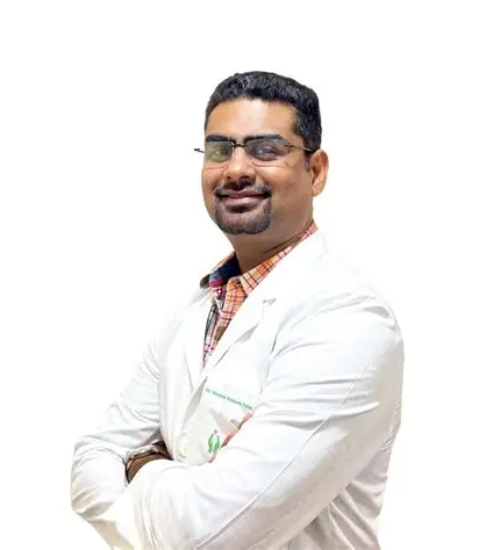
Dr. Ronak Rajesh Tate - Associate Consultant – Gastroenterology

Dr. Ronak Rajesh Tate – Gastroenterologist and Hepatologist in Navi Mumbai

Gastroenterology

10 years

Fortis Hospitals, Vashi, Mumbai
5.0★★★★★3 reviews

Dr. Ronak Rajesh Tate – Gastroenterologist and Hepatologist in Navi Mumbai

Dr. Ronak Rajesh Tate is a Gastroenterologist, Hepatologist and Advanced Endoscopist associated with Hiranandani Fortis Hospital, Vashi, Navi Mumbai. His clinical expertise includes the diagnosis and management of digestive system disorders, liver diseases, pancreatic conditions and complex gastrointestinal problems requiring advanced diagnostic or therapeutic endoscopic procedures.

Dr. Tate completed his MBBS from RCSM Government Medical College, Kolhapur, followed by DNB training in General Medicine and DrNB specialization in Medical Gastroenterology and Hepatology through the National Board of Examinations, New Delhi. He subsequently completed fellowship training in Advanced Endoscopy at PGI Institute, Jalandhar, strengthening his expertise in complex gastrointestinal procedures.

His areas of clinical expertise include gastroesophageal reflux disease, chronic acidity, abdominal pain, bloating, constipation, irritable bowel syndrome and inflammatory bowel disease. He also evaluates and manages liver-related conditions such as fatty liver disease, hepatitis, cirrhosis and selected hepatobiliary disorders. Treatment decisions are based on clinical findings, relevant investigations and individual patient requirements.

Dr. Tate has documented expertise in advanced endoscopic procedures, including upper gastrointestinal endoscopy, colonoscopy, endoscopic ultrasound and endoscopic retrograde cholangiopancreatography (ERCP). His procedural experience also includes polypectomy, variceal band ligation, gastric variceal glue injection, haemoclipping, gastrointestinal stricture dilatation and biliary stenting for selected digestive conditions.

His clinical practice includes gastrointestinal bleeding management and the evaluation of pancreatic and biliary disorders. Diagnostic endoscopy can help identify abnormalities within the digestive tract, while therapeutic endoscopic procedures may be used to manage bleeding, remove selected polyps, relieve obstruction or obtain tissue samples when medically indicated.

Patients seeking a gastroenterologist, liver specialist or advanced endoscopist in Vashi and Navi Mumbai can consult Dr. Ronak Rajesh Tate for digestive symptoms, liver conditions and gastrointestinal investigations. He communicates in English, Hindi, Marathi and Gujarati, supporting patient consultations across different language preferences.

Other Information

Upper GI Endoscopy

Upper gastrointestinal endoscopy uses a flexible camera to examine the oesophagus, stomach and upper small intestine. It may help investigate persistent acidity, difficulty swallowing, ulcers and upper gastrointestinal bleeding. Tissue samples may also be collected when clinically indicated.

Colonoscopy

Colonoscopy is a diagnostic procedure that uses a flexible camera to examine the large intestine. It may be recommended for rectal bleeding, persistent bowel habit changes, suspected inflammatory bowel disease or colorectal cancer screening.

Endoscopic Retrograde Cholangiopancreatography

ERCP combines endoscopy and imaging to diagnose and treat selected bile duct and pancreatic duct problems. It may be used to remove certain bile duct stones, relieve obstructions or place drainage stents when appropriate.

Endoscopic Ultrasound

Endoscopic ultrasound combines an endoscope with ultrasound imaging to examine the digestive tract and surrounding structures. It can help evaluate pancreatic lesions, biliary conditions and abnormalities that require detailed imaging or tissue sampling.

EUS-Guided Tissue Acquisition

Endoscopic ultrasound-guided tissue acquisition allows selected abnormal tissues or lesions to be sampled using ultrasound guidance. The collected material can be examined to support diagnosis and determine appropriate treatment planning.

Capsule Endoscopy

Capsule endoscopy involves swallowing a small camera capsule that records images while passing through the digestive tract. It is particularly useful for evaluating selected small-intestinal conditions and unexplained gastrointestinal bleeding.

Gastrointestinal Polypectomy

Polypectomy involves removing selected growths or polyps from the gastrointestinal tract during endoscopy. The removed tissue may undergo laboratory examination to determine its characteristics and guide additional care.

Variceal Band Ligation

Variceal band ligation is an endoscopic procedure used to treat enlarged veins in the oesophagus that may bleed. It is commonly considered for selected patients with portal hypertension associated with advanced liver disease.

Gastrointestinal Bleeding Management

Gastrointestinal bleeding may originate from ulcers, enlarged veins, abnormal blood vessels or other digestive conditions. Evaluation can involve blood tests, endoscopy and imaging, while treatment depends on the source and severity of bleeding.

Endoscopic Stricture Dilatation

Endoscopic stricture dilatation is used to widen selected narrowed areas of the digestive tract. It may be considered for certain conditions causing swallowing difficulties or obstruction, depending on the diagnosis and characteristics of the narrowing.

Fatty Liver Disease Management

Fatty liver disease involves excess fat accumulation within the liver and may be associated with obesity, diabetes or metabolic dysfunction. Management includes assessing liver health, evaluating fibrosis risk and addressing underlying metabolic factors.

Inflammatory Bowel Disease Management

Inflammatory bowel disease includes Crohn's disease and ulcerative colitis. These conditions can cause persistent diarrhoea, abdominal pain, bleeding and weight loss. Management depends on disease severity and may involve medication, nutrition support and endoscopic monitoring.

Education & Qualifications

MBBS, DNB (General Medicine), DrNB (Medical Gastroenterology and Hepatology), Fellowship in Advanced Endoscopy

Services

Upper GI Endoscopy, Colonoscopy, ERCP, Endoscopic Ultrasound, EUS-Guided Tissue Acquisition, Capsule Endoscopy, Variceal Band Ligation, Gastric Variceal Glue Injection, Endoscopic Polypectomy, Gastrointestinal Bleeding Management, Endoscopic Haemostasis, Stricture Dilatation, Biliary Stenting, Fatty Liver Disease Management, GERD Management, IBS Treatment, Inflammatory Bowel Disease Management.

Patient Testimonials

What Patients Say About Dr. Ronak Rajesh Tate

Genuine patient experiences and treatment feedback.

5.0
3 reviews
A

Amit Kulkarni

Verified

Bangalore • Chronic Acidity Treatment

5.0

Helpful Treatment for Persistent Acidity

I consulted Dr. Ronak Tate for chronic acidity. I found him professional and knowledgeable, and my symptoms became more manageable following treatment. I appreciated his approach to addressing digestive health concerns.

P

Priya Mehta

Verified

Salt Lake • Upper GI Endoscopy

5.0

Comfortable Endoscopy Experience

I underwent an endoscopy with Dr. Ronak Tate. The procedure went smoothly, and I felt comfortable and well informed throughout the experience. I appreciated the way my care was handled.

R

Rohit Sharma

Verified

Sanpada • Fatty Liver Management

5.0

Helpful Guidance for Fatty Liver Care

I consulted Dr. Ronak Tate for my fatty liver condition. He explained the problem clearly and guided me through the management approach. I appreciated his communication and the information he provided about my liver health.

Frequently Asked Questions

Quick answers to common questions about Dr. Ronak Rajesh Tate

01

When is an upper GI endoscopy recommended?

It may be recommended for persistent upper abdominal symptoms, swallowing difficulty, suspected ulcers or gastrointestinal bleeding.

02

What is the difference between endoscopy and colonoscopy?

Upper GI endoscopy examines the oesophagus, stomach and upper small intestine, while colonoscopy examines the large intestine.

03

What conditions can ERCP treat?

ERCP may be used to remove bile duct stones, relieve selected obstructions and treat certain pancreatic or biliary duct conditions.

04

What is endoscopic ultrasound used for?

It helps examine the digestive tract and nearby structures, including the pancreas and bile ducts.

05

Can fatty liver disease be managed without surgery?

Yes. Treatment commonly focuses on metabolic risk factors, dietary adjustments, exercise and management of associated medical conditions.

Still have questions about Dr. Dr. Ronak Rajesh Tate?

Contact us for personalized help or to schedule an appointment.

Dr. Ronak Rajesh Tate | Gastroenterologist Navi Mumbai | Medpas Health