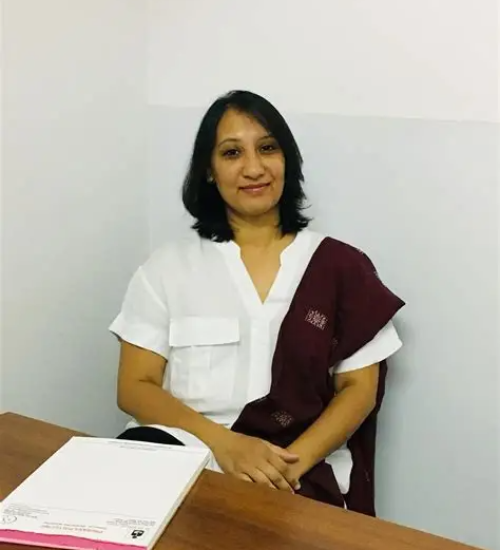
Micro ear surgery involves specialised surgical techniques performed using magnification and fine instruments to treat selected conditions affecting the ear. It may be used to repair middle ear structures or manage certain chronic ear diseases. Dr. Rajkishori Ashok Godhi has completed fellowship training in micro ear surgery and has a documented interest in otology.
Tympanoplasty is a surgical procedure used to repair a perforated eardrum and, in selected cases, reconstruct damaged middle ear structures. It may be considered for persistent eardrum perforation, recurrent discharge or associated hearing loss. Dr. Rajkishori Godhi has documented academic involvement in tympanoplasty and related ear procedures.
Myringoplasty is a surgical technique that repairs a hole in the eardrum, typically using a tissue graft. It may help protect the middle ear and improve hearing in suitable patients. The decision depends on the size of the perforation, middle ear health and hearing assessment findings.
Endoscope-assisted myringoplasty uses an endoscope to visualise the eardrum and middle ear region during repair of a tympanic membrane perforation. This technique may improve visibility of certain anatomical areas. Dr. Rajkishori Ashok Godhi's official professional biography identifies endoscope-assisted myringoplasty among her research and publication interests.
Otitis media refers to inflammation or infection affecting the middle ear. Symptoms may include ear pain, temporary hearing difficulty, fever or discharge when the eardrum is perforated. Treatment depends on the patient's age, symptoms and examination findings, and may include observation, pain relief, medication or further ENT evaluation.
Hearing loss may occur because of earwax obstruction, eardrum problems, middle ear disease or inner ear and nerve-related conditions. Evaluation includes clinical examination and suitable hearing tests to identify the type and severity of hearing impairment. Sudden unexplained hearing loss requires urgent assessment because early treatment may be important.
Myringotomy involves making a small opening in the eardrum, sometimes followed by insertion of a ventilation tube called a grommet. It may be considered for selected patients with persistent middle ear fluid or recurrent infections. The procedure aims to improve middle ear ventilation and may help associated conductive hearing problems.
Tonsillectomy is a surgical procedure to remove the tonsils. It may be recommended for selected patients with recurrent severe tonsillitis or obstructive sleep-related breathing problems associated with enlarged tonsils. The decision considers symptom frequency, severity, potential surgical risks and the expected benefits of treatment.
Adenoidectomy involves surgically removing enlarged or problematic adenoid tissue located behind the nose. It may be considered for children with persistent nasal obstruction, certain sleep-related breathing problems or recurrent middle ear disease. An ENT specialist evaluates symptoms and examination findings before recommending the procedure.
Septoplasty is performed to straighten a significantly deviated nasal septum that contributes to troublesome nasal blockage. It may improve airflow in patients whose symptoms are related to septal deviation. Before surgery, an ENT specialist assesses other potential causes of obstruction and considers whether non-surgical treatment is appropriate.
Nasal and sinus allergies can produce sneezing, nasal itching, watery discharge and persistent congestion. Management may include identifying triggers, reducing allergen exposure and prescribing suitable medication such as nasal corticosteroids or antihistamines. Further evaluation may be appropriate when symptoms remain uncontrolled or other nasal conditions are suspected.
Sinusitis involves inflammation of the paranasal sinuses and may cause facial pressure, blocked nose, discharge and reduced smell. Treatment varies depending on the duration, severity and cause of symptoms. Persistent or recurrent sinusitis may require ENT examination, nasal endoscopy or imaging when clinically indicated.
Throat and voice disorders can include persistent hoarseness, throat discomfort, swallowing difficulty or changes in vocal quality. ENT assessment may involve examining the throat and voice box to identify inflammation, structural abnormalities or other causes. Persistent hoarseness or progressive swallowing difficulty should be medically evaluated.
Ear pain can result from infection, pressure changes, earwax blockage or conditions involving nearby structures. An ENT examination helps identify whether the problem affects the outer ear, middle ear or another region. Management is directed at the underlying condition and may involve medication, cleaning or additional diagnostic investigations.
ENT emergencies may include significant nosebleeds, foreign bodies, sudden hearing loss, airway problems or serious ear and throat infections. Prompt evaluation helps identify conditions requiring urgent intervention. Dr. Rajkishori Ashok Godhi's official hospital biography identifies ENT emergency management among her clinical areas of expertise.
Tracheostomy is a procedure that creates an opening into the windpipe through the neck to provide an alternative airway when medically necessary. It is generally performed in appropriately equipped hospital settings. Dr. Rajkishori Godhi's documented academic contributions include tracheostomy-related research. Current procedural availability should be confirmed.