P
Priyanka Ghosh
VerifiedBarasat • Hypothyroidism Consultation
Understanding Thyroid Hormone Treatment
The information helped me understand why thyroid function tests and regular treatment monitoring are important.

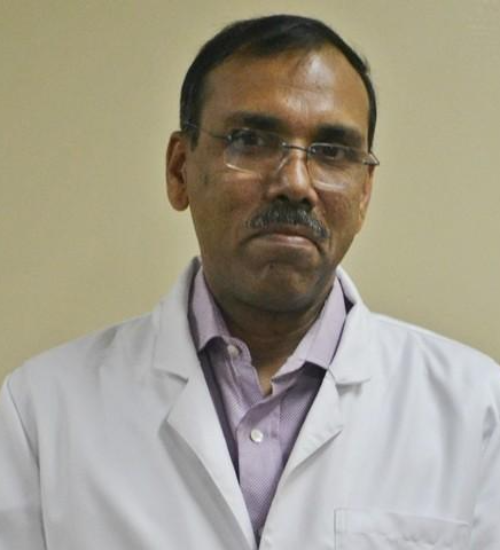
Endocrinology
Consultant – Endocrinology31 Years of Experience in Endocrinology
Fortis Hospital & Kidney Institute
Kolkata
Dr. Kaushik Pandit is a Senior Consultant Endocrinologist and Diabetologist associated with Fortis Healthcare in Kolkata. Fortis lists 31 years of experience. He specialises in the diagnosis and management of diabetes, thyroid disorders, pituitary and adrenal conditions, metabolic bone diseases and other hormonal disorders.
Dr. Kaushik Pandit completed his MBBS at Medical College, Kolkata, in 1988. He subsequently obtained his MD in General Medicine from S. N. Medical College, Agra, in 1997, followed by a DNB in General Medicine in 1998.
He completed advanced DM training in Endocrinology at the Institute of Post Graduate Medical Education and Research in Kolkata in 2001. His professional biography reports that he secured first rank in the DM Endocrinology examination and received a Gold Medal during his postgraduate training in General Medicine.
Dr. Pandit holds several professional fellowship credentials, including FACE, FRCP Edinburgh, FRCP Glasgow, FICP and FRSSDI. These qualifications and recognitions reflect his long-standing academic and clinical involvement in medicine and endocrinology.
As an endocrinologist in Kolkata, Dr. Kaushik Pandit evaluates conditions involving the body's hormone-producing glands. Hormones regulate important functions such as blood glucose, metabolism, growth, bone health and the body's response to stress.
Diabetes mellitus is a major focus of Dr. Pandit's clinical practice and research. Diabetes occurs when the body cannot produce sufficient insulin or use insulin effectively, resulting in elevated blood glucose levels and possible long-term complications.
Type 2 diabetes management may involve nutritional changes, physical activity, weight management, oral medicines, injectable therapies and regular blood glucose monitoring. Treatment is individualised according to blood glucose patterns, associated conditions and patient needs.
Type 1 diabetes requires insulin treatment because the body produces little or no insulin. Appropriate care includes insulin dose planning, glucose monitoring, education about hypoglycaemia and regular assessment for diabetes-related complications.
Dr. Kaushik Pandit has contributed to diabetes research, including work involving the genetics of young-onset Type 2 diabetes. His professional website reports more than 50 peer-reviewed publications in national and international medical journals.
Thyroid disorders are another important part of Dr. Pandit's endocrine practice. The thyroid gland produces hormones that regulate metabolism, energy levels and several body functions. Abnormal thyroid activity can cause symptoms affecting weight, heart rate, temperature tolerance and general wellbeing.
Hypothyroidism occurs when the thyroid gland produces insufficient thyroid hormone. Common symptoms may include fatigue, constipation, weight gain and cold intolerance. Diagnosis is based on clinical assessment and thyroid function tests, with treatment selected according to the underlying condition.
Hyperthyroidism occurs when the thyroid gland produces excessive thyroid hormone. Symptoms may include palpitations, tremors, unexplained weight loss and heat intolerance. Management depends on the cause and may involve medicines, radioiodine treatment or specialist referral for surgery.
Pituitary disorders are included in Dr. Kaushik Pandit's documented areas of expertise. The pituitary gland regulates several other endocrine glands, and abnormalities can affect growth, reproduction, thyroid function, adrenal function and fluid balance.
Adrenal disorders can influence blood pressure, metabolism, electrolyte balance and the body's stress response. Endocrine evaluation may involve specialised hormone tests and imaging when clinically indicated.
Metabolic bone disease is another area covered in Dr. Pandit's professional patient information. Disorders affecting calcium metabolism, vitamin D regulation and bone strength may require investigation for osteoporosis or other endocrine causes of reduced bone health.
Dr. Pandit's research and academic activities extend beyond routine clinical practice. His professional website identifies him as a Research Scientist at IPGMER and lists editorial contributions to medical textbooks, clinical research and publications on diabetes and endocrine conditions.
Dr. Kaushik Pandit has received professional recognition for his contributions to endocrinology, including the Albert Renold Fellowship from the European Association for the Study of Diabetes. His website also identifies him as President of the Endocrine Society of India for 2025–2026.
Dr. Kaushik Pandit provides endocrinology consultations through Fortis-associated facilities and Belle Vue Clinic in Kolkata. Patients seeking specialist assessment for diabetes, thyroid disease, hormonal imbalances or metabolic bone disorders may contact the relevant clinic to confirm appointments and available services.
Dr. Kaushik Pandit is an experienced Endocrinologist and Diabetologist in Kolkata who specialises in diabetes management. Treatment focuses on maintaining appropriate blood glucose levels, reducing the risk of complications and improving long-term metabolic health. Management may include lifestyle modification, oral medication, injectable treatment, insulin therapy and regular monitoring based on individual medical requirements.
Type 2 diabetes develops when the body becomes resistant to insulin or cannot produce enough insulin to maintain normal blood glucose levels. Evaluation includes blood glucose testing, HbA1c monitoring and assessment of cardiovascular and kidney-related risk factors. Treatment is personalised according to disease severity, associated medical conditions and individual treatment goals.
Type 1 diabetes is an autoimmune condition that causes insufficient insulin production. Management requires insulin replacement, glucose monitoring, nutritional planning and education about recognising and managing hypoglycaemia. Regular specialist follow-up helps adjust treatment and monitor for complications.
Insulin therapy is essential for people with Type 1 diabetes and may also be recommended for selected patients with Type 2 diabetes. Treatment planning involves choosing appropriate insulin formulations, reviewing glucose patterns and adjusting doses according to meals, activity and medical needs.
Young-onset Type 2 diabetes occurs when the condition develops at a relatively early age. Dr. Kaushik Pandit's research includes genetic factors associated with young-onset Type 2 diabetes. Clinical management considers metabolic risk, family history, glucose control and prevention of long-term complications.
Thyroid disorders affect the production or regulation of thyroid hormones and may cause changes in energy levels, weight, heart rate and metabolism. Dr. Pandit's professional profile identifies thyroid disease as a major clinical interest. Assessment may include thyroid function tests, antibody investigations and ultrasound when indicated.
Hypothyroidism occurs when the thyroid gland produces insufficient thyroid hormone. Symptoms may include fatigue, constipation, weight gain and cold intolerance. Treatment commonly involves thyroid hormone replacement with follow-up testing to ensure appropriate hormone levels.
Hyperthyroidism occurs when excessive thyroid hormones are produced. Symptoms may include palpitations, tremors, sweating and unexplained weight loss. Treatment depends on the underlying cause and may involve antithyroid medication, radioiodine or referral for surgical evaluation.
Thyroid nodules are lumps that develop within the thyroid gland. Most are benign, but selected nodules require further assessment. Evaluation may include thyroid function tests, ultrasound and fine-needle aspiration when clinically indicated.
Autoimmune thyroid conditions occur when immune processes affect thyroid function. Hashimoto thyroiditis and Graves disease are examples that may cause reduced or excessive thyroid hormone production. Management depends on laboratory results, symptoms and the underlying diagnosis.
Pituitary disorders may affect the production of hormones that regulate growth, reproduction, thyroid function and adrenal activity. Evaluation can involve specialised hormone testing and imaging. Treatment depends on the particular pituitary condition and its effect on other endocrine glands.
Adrenal disorders can affect cortisol, aldosterone and other hormones involved in blood pressure regulation, metabolism and stress response. Specialist evaluation may include hormone measurements, dynamic testing and imaging when appropriate.
Osteoporosis causes reduced bone strength and increases the risk of fractures. Endocrine assessment may include bone mineral density testing, vitamin D evaluation, calcium metabolism investigations and review of contributing medical conditions.
Metabolic bone diseases affect normal bone formation, mineralisation or turnover. Dr. Pandit's professional website includes metabolic bone disease among his clinical interests. Management may involve investigation of calcium, phosphate, vitamin D and related hormone abnormalities.
Parathyroid disorders can cause abnormal calcium levels and affect bone health, kidney function and other body systems. Evaluation may include calcium, phosphate, vitamin D and parathyroid hormone testing, followed by treatment based on the underlying cause.
Hormonal imbalances may cause changes in weight, energy, menstrual cycles, growth or metabolism. Endocrinology consultation helps identify whether symptoms are related to thyroid, pituitary, adrenal or other endocrine disorders.
Obesity may be associated with insulin resistance, Type 2 diabetes and other metabolic complications. Assessment considers medical history, metabolic risk factors, lifestyle and possible endocrine contributors. Treatment is individualised and may involve coordinated multidisciplinary care.
Long-standing diabetes may affect the eyes, kidneys, nerves and cardiovascular system. Regular screening can help identify complications and guide preventive treatment. The recommended investigations depend on diabetes duration, glucose control and individual risk factors.
Continuous glucose monitoring systems measure glucose trends throughout the day and night. They may help selected patients understand glucose patterns, detect hypoglycaemia and adjust diabetes management. Suitability depends on treatment requirements and access to monitoring technology.
Regular endocrinology follow-up helps review blood glucose readings, hormone test results, medication effectiveness and treatment-related concerns. Monitoring intervals depend on the diagnosis, disease stability and individual clinical requirements.
MBBS, MD (General Medicine), DNB
Diabetes consultation, insulin therapy assessment, thyroid disorder management, pituitary and adrenal disease evaluation, metabolic bone disease assessment, osteoporosis evaluation, hormonal investigations and endocrine follow-up
Genuine patient experiences and treatment feedback.
Quick answers to common questions about Dr. Kaushik Pandit
Dr. Kaushik Pandit is a Consultant Endocrinologist and Diabetologist in Kolkata, specialising in diabetes, thyroid disease and other hormonal conditions.
31 years of experience.
His qualifications include MBBS, MD (General Medicine), DNB (General Medicine), DM (Endocrinology) and professional fellowship credentials.
Yes. Diabetes management is a major focus of his clinical practice and research, including Type 1 and Type 2 diabetes.
Yes. His professional website confirms expertise in thyroid diseases, including evaluation of thyroid hormone abnormalities.
Contact us for personalized help or to schedule an appointment.