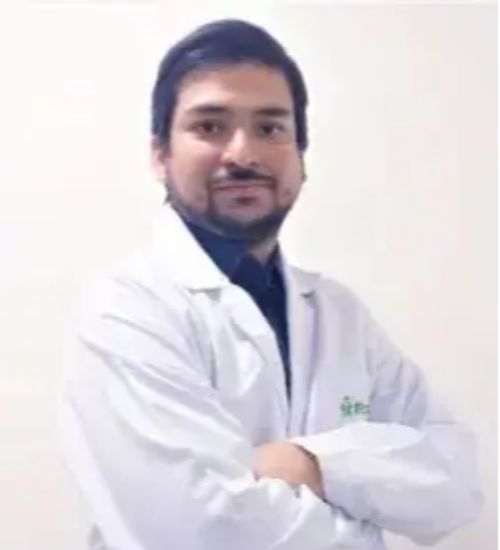
Dr. Pulak Mukherjee - Consultant – Critical Care

Dr. Pulak Mukherjee – Critical Care Specialist in Kolkata

Critical Care

Consultant – Critical Care

14 Years of Experience in Critical Care Medicine

Fortis Hospital & Kidney Institute

Kolkata

5.0★★★★★3 reviews

Dr. Pulak Mukherjee – Critical Care Specialist in Kolkata

Dr. Pulak Mukherjee is a Consultant in Critical Care Medicine at Fortis Hospital & Kidney Institute, Kolkata. Fortis Healthcare lists 14 years of experience and the qualifications DNB, IDCCM and MNAMS. His professional speciality focuses on the assessment, monitoring and treatment of patients with severe or life-threatening medical conditions.

Dr. Pulak Mukherjee's educational background includes an MBBS qualification from the University of Calcutta in 2007, according to Lybrate. The same listing reports completion of DNB training at Apollo Gleneagles Hospital, Kolkata, in 2012 and the Indian Diploma in Critical Care Medicine in 2013. Fortis also lists MNAMS among his credentials.

As a critical care specialist in Kolkata, Dr. Pulak Mukherjee is associated with Fortis Hospital & Kidney Institute in Gariahat. Critical care medicine involves managing patients who require close observation, advanced medical support or treatment for acute organ dysfunction.

Intensive care units provide continuous monitoring for patients with serious illnesses or complications. Critical care teams evaluate breathing, circulation, neurological function, kidney function and other important clinical parameters to guide treatment decisions.

Sepsis is a potentially life-threatening condition caused by an abnormal response to infection that results in organ dysfunction. Management requires prompt recognition, treatment of the underlying infection and appropriate support for affected organs. Severe cases may require intensive care admission.

Septic shock is a severe form of sepsis associated with circulatory and metabolic abnormalities. Patients may require intravenous fluids, medicines to support blood pressure and close monitoring. Treatment decisions depend on the patient's response and the underlying cause of infection.

Acute respiratory failure occurs when the respiratory system cannot adequately maintain oxygen levels or remove carbon dioxide. Management may involve oxygen therapy, non-invasive ventilation or invasive mechanical ventilation according to the severity and cause of the condition.

Mechanical ventilation supports breathing in patients who cannot maintain adequate respiratory function independently. Ventilator settings are adjusted according to the patient's condition, blood gas results and clinical response. Careful monitoring helps identify complications and guide recovery.

Acute respiratory distress syndrome is a severe inflammatory lung condition that can cause major impairment of oxygen exchange. Patients may require intensive respiratory support, treatment of the underlying cause and strategies to reduce ventilator-associated lung injury.

Shock is a condition in which the circulation fails to deliver adequate oxygen and nutrients to body tissues. Different forms include septic, cardiogenic, hypovolaemic and obstructive shock. Accurate identification of the cause is essential because treatment strategies differ.

Haemodynamic monitoring helps assess blood pressure, circulation and tissue perfusion in critically ill patients. Depending on the situation, monitoring may involve routine measurements, arterial blood pressure monitoring or other advanced techniques used by the ICU team.

Acute kidney injury may occur during severe infection, dehydration, shock or other critical illnesses. Management involves identifying the cause, monitoring kidney function and fluid balance and coordinating specialist treatment when required. Some patients may need renal replacement therapy.

Patients with multiorgan dysfunction may require simultaneous support for breathing, circulation, kidney function and other body systems. Critical care management involves coordinating treatments while regularly reassessing the patient's condition and response.

Postoperative intensive care may be necessary after major surgery or when patients develop serious complications. ICU monitoring can support early recognition of bleeding, respiratory problems, cardiovascular instability and other postoperative concerns.

Critical care medicine also involves preventing and managing complications associated with prolonged hospitalisation. These may include hospital-acquired infections, blood clots, pressure injuries, delirium and muscle weakness. Preventive measures are tailored to individual patient risks.

Nutrition, rehabilitation and early mobilisation are important considerations during recovery from critical illness. Care plans may involve dietitians, physiotherapists, nurses and other specialists to support recovery and reduce complications associated with prolonged immobility.

Communication with patients and families is an important part of intensive care. Critical care teams explain the patient's condition, treatment options, expected monitoring and possible complications while supporting shared decision-making whenever appropriate.

Dr. Pulak Mukherjee is listed as a Consultant in Critical Care Medicine at Fortis Hospital & Kidney Institute, Kolkata. Families seeking information about ICU care or management of severe medical illness should contact the hospital to confirm his current clinical responsibilities and the appropriate admission or referral process.

Other Information

Critical Care Consultation

Critical care consultation involves assessing patients with severe or life-threatening medical conditions. The clinical team evaluates vital signs, organ function, investigation results and the need for intensive monitoring or advanced medical support. Treatment plans are adapted according to the patient's condition and response.

Intensive Care Unit Management

Intensive care unit management provides continuous monitoring and treatment for critically ill patients. Care may include respiratory support, circulatory monitoring, infection management and coordination with other medical specialists. The level of support depends on illness severity and organ dysfunction.

Sepsis Treatment

Sepsis is a life-threatening condition involving organ dysfunction caused by an abnormal response to infection. Treatment requires prompt recognition, appropriate antimicrobial therapy, evaluation of the infection source and supportive care. Severe cases may require ICU admission and organ support.

Septic Shock Management

Septic shock is a severe form of sepsis associated with circulatory abnormalities. Management may include intravenous fluids, medicines to support blood pressure, infection treatment and continuous monitoring. Treatment is adjusted according to clinical findings and the patient's response.

Acute Respiratory Failure Management

Acute respiratory failure occurs when the lungs cannot adequately maintain oxygenation or remove carbon dioxide. Treatment depends on the underlying cause and severity. Support may include oxygen therapy, non-invasive ventilation or invasive mechanical ventilation in selected patients.

Mechanical Ventilation Support

Mechanical ventilation assists breathing in patients with significant respiratory impairment. Ventilator settings are selected according to the patient's lung function, oxygen requirements and clinical condition. Regular monitoring is necessary to assess treatment response and minimise complications.

Non-Invasive Ventilation

Non-invasive ventilation supports breathing through a closely fitted mask without inserting a breathing tube. It may be appropriate for selected patients with respiratory failure. Careful monitoring is required to identify patients who need a different form of respiratory support.

Oxygen Therapy

Oxygen therapy may be required when blood oxygen levels are below the appropriate clinical target. Different delivery methods are available, including nasal cannulas, masks and high-flow systems. The treatment approach depends on the cause of hypoxaemia and patient response.

Acute Respiratory Distress Syndrome Management

Acute respiratory distress syndrome is a serious inflammatory lung condition that can severely impair oxygen exchange. ICU management may involve lung-protective ventilation, treatment of the underlying illness and other supportive measures according to established clinical protocols.

Haemodynamic Monitoring

Haemodynamic monitoring assesses circulation, blood pressure and tissue perfusion in critically ill patients. Monitoring may involve non-invasive measurements or advanced techniques when clinically indicated. Findings help guide fluid administration, circulatory support and other treatment decisions.

Shock Management

Shock occurs when the circulatory system cannot deliver adequate oxygen to tissues. Causes include severe infection, blood loss, heart dysfunction and obstructive conditions. Management focuses on identifying the cause, restoring appropriate circulation and supporting affected organs.

Acute Kidney Injury Management in ICU

Acute kidney injury may develop during severe infections, shock or other critical illnesses. ICU management includes monitoring kidney function, urine output, fluid balance and electrolyte levels. Some patients require nephrology consultation or renal replacement therapy.

Multiorgan Dysfunction Management

Multiorgan dysfunction involves impairment of two or more organ systems during severe illness. Treatment may require simultaneous respiratory, cardiovascular, kidney and metabolic support. Intensive monitoring helps guide adjustments to therapy as the patient's condition changes.

Postoperative Critical Care

Postoperative critical care supports patients who require intensive monitoring after major surgery or complications. Care may involve respiratory support, circulatory monitoring, pain management and early identification of infection or organ dysfunction.

Electrolyte Imbalance Management

Severe abnormalities in sodium, potassium, calcium and other electrolytes may cause neurological or cardiovascular complications. Treatment depends on the specific imbalance, its severity and the underlying cause. Careful monitoring is important because overly rapid correction can be harmful.

Critical Care Infection Management

Patients in intensive care may develop severe infections involving the lungs, bloodstream, urinary tract or other organs. Management includes appropriate diagnostic testing, antimicrobial treatment and infection source control. Infection prevention measures are important during hospitalisation.

ICU Cardiac Monitoring

Cardiac monitoring helps detect changes in heart rhythm and cardiovascular function in critically ill patients. Continuous electrocardiographic monitoring may be required for patients with unstable circulation, electrolyte disturbances or other conditions affecting the heart.

Critical Illness Nutrition Support

Nutrition support is an important component of recovery during prolonged critical illness. The ICU team assesses nutritional needs and may coordinate enteral or other nutritional support with dietitians and relevant specialists. Treatment depends on gastrointestinal function and clinical stability.

Ventilator Weaning and Respiratory Recovery

Ventilator weaning involves assessing whether a patient can gradually resume independent breathing. The team evaluates respiratory function, oxygen requirements, consciousness and overall medical stability. Recovery planning may also include physiotherapy and rehabilitation.

ICU Recovery and Rehabilitation Planning

Recovery after critical illness may require rehabilitation, nutritional support and monitoring for physical or cognitive complications. Discharge planning involves assessing the patient's medical stability and arranging appropriate follow-up care. Individual recovery times vary according to illness severity.

Education & Qualifications

MBBS, DNB, IDCCM, MNAMS

Services

ICU Consultation, Critical Illness Assessment, Sepsis Management, Respiratory Support, Mechanical Ventilation, Oxygen Therapy, Shock Management, Organ Function Monitoring and Postoperative Intensive Care. These are speciality-related services, not a confirmed list of procedures personally performed.

Patient Testimonials

What Patients Say About Dr. Pulak Mukherjee

Genuine patient experiences and treatment feedback.

5.0
3 reviews
P

Priyanka Das

Verified

Barasat • Mechanical Ventilation Support

5.0

Understanding Ventilator Support

The educational content helped me understand why some patients require mechanical ventilation and how respiratory support is monitored during critical illness.

R

Rohan Mukherjee

Verified

Howrah • Sepsis Management

5.0

Learning About Sepsis and ICU Care

The information explained how sepsis can affect different organs and why early medical intervention and intensive monitoring are important.

A

Ananya Sen

Verified

Kolkata • Critical Care Consultation

5.0

Understanding Intensive Care Treatment

The educational information helped me understand why critically ill patients require continuous monitoring and coordinated treatment in an intensive care unit.

Frequently Asked Questions

Quick answers to common questions about Dr. Pulak Mukherjee

01

Who is Dr. Pulak Mukherjee?

Dr. Pulak Mukherjee is a Consultant in Critical Care Medicine at Fortis Hospital & Kidney Institute, Kolkata.

02

How many years of experience does Dr. Pulak Mukherjee have?

Fortis Healthcare lists 14 years, whereas Lybrate reports 18 years. The Fortis figure is recommended pending confirmation.

03

What are Dr. Pulak Mukherjee's qualifications?

His listed qualifications are MBBS, DNB, IDCCM and MNAMS.

04

Which hospital is Dr. Pulak Mukherjee associated with?

Fortis Hospital & Kidney Institute, Gariahat, Kolkata.

05

What conditions are managed in Critical Care Medicine?

Critical care teams manage severe illnesses such as sepsis, respiratory failure, shock and acute organ dysfunction. Dr. Mukherjee's specific case experience has not been detailed in the accessible official biography.

Still have questions about Dr. Pulak Mukherjee?

Contact us for personalized help or to schedule an appointment.