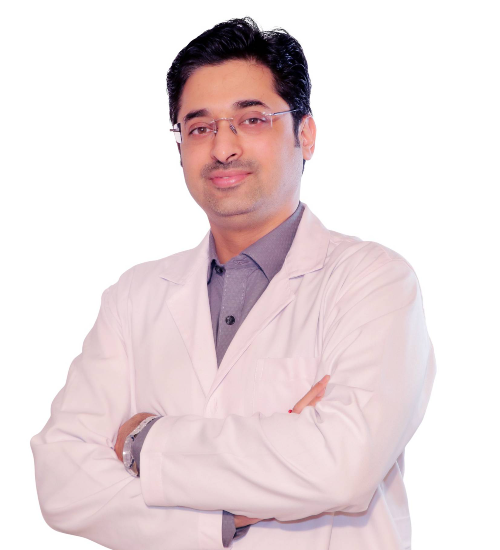
Paediatric cardiac surgery involves surgical treatment of structural and functional heart conditions in infants, children and adolescents. These may include congenital heart defects affecting the chambers, valves or major blood vessels. Treatment planning requires specialist evaluation, echocardiography, cardiac imaging and assessment of the child's overall condition. Dr. Dhananjay Malankar has documented fellowship training in paediatric cardiac surgery.
Neonatal cardiac surgery addresses serious congenital heart conditions diagnosed during the first weeks of life. Some newborns require urgent surgical intervention to improve circulation or correct structural abnormalities. Treatment involves detailed anatomical assessment and coordination among paediatric cardiologists, cardiac surgeons, anaesthetists and neonatal intensive care teams. Dr. Malankar received specialised neonatal cardiac surgical training at Children's Hospital of Philadelphia.
Congenital heart disease refers to structural abnormalities of the heart or major blood vessels present from birth. Some conditions require surgical correction, while others may be managed through catheter-based interventions or regular monitoring. The choice of treatment depends on the type of defect, severity of symptoms, circulation and age of the patient. Specialist assessment is essential for treatment planning.
A ventricular septal defect is an opening in the wall separating the heart's two lower chambers. Large defects may cause increased blood flow to the lungs, breathing difficulties or poor growth in infants. Surgical closure may be recommended when a defect causes significant circulatory problems. Treatment decisions depend on the opening's size, location and associated heart abnormalities.
An atrial septal defect is an opening between the two upper chambers of the heart. Some defects can be closed through catheter-based procedures, while others require surgical repair. The most appropriate treatment depends on the defect's size, location, surrounding tissue and effects on cardiac circulation. Surgical assessment helps determine whether closure is necessary and which approach is suitable.
Complex congenital heart disease may involve multiple structural abnormalities affecting blood circulation through the heart and lungs. Treatment can require advanced surgical reconstruction, sometimes performed in several stages. Specialist assessment includes echocardiography, detailed cardiac imaging and evaluation of the child's overall health. Long-term follow-up is important for monitoring heart function and identifying additional treatment needs.
Mitral valve repair is performed to restore normal valve function when the mitral valve does not close or function properly. Surgical techniques aim to preserve the patient's natural valve while correcting abnormalities that cause leakage. Repair may be preferred over replacement in suitable cases. The decision depends on valve anatomy, disease severity, cardiac function and the likelihood of durable repair.
Tricuspid valve repair addresses structural abnormalities or significant leakage affecting the valve between the right atrium and right ventricle. The procedure aims to improve valve function while preserving native tissue whenever possible. Dr. Dhananjay Malankar's documented expertise includes tricuspid valve repair. Treatment planning depends on the underlying valve condition, associated cardiac abnormalities and right ventricular function.
Ebstein anomaly is a congenital heart condition in which the tricuspid valve develops abnormally and is displaced within the right ventricle. Patients may experience valve leakage, abnormal heart rhythms or reduced cardiac function. Selected cases require surgical valve reconstruction or other procedures. Dr. Malankar's official professional profile specifically identifies tricuspid valve repair for Ebstein anomaly among his areas of expertise.
Advanced heart failure occurs when the heart cannot pump enough blood to meet the body's needs despite appropriate medical treatment. Selected patients may require evaluation for surgical interventions, mechanical circulatory support or heart transplantation. Assessment considers heart function, symptoms, associated medical conditions and the potential benefits and risks of treatment. Dr. Malankar completed specialist training in heart failure surgery.
A ventricular assist device is a mechanical pump used to support circulation in selected patients with severe heart failure. Depending on the clinical situation, it may provide temporary support, serve as a bridge to transplantation or offer longer-term assistance. Implantation requires specialised surgery, careful patient selection and ongoing medical monitoring. Dr. Malankar has documented training in VAD placement.
Extracorporeal membrane oxygenation is an advanced life-support technique used in selected patients with severe cardiac or respiratory failure. The system temporarily supports oxygen exchange and, in certain configurations, blood circulation while the medical team treats the underlying condition. ECMO requires specialised equipment, intensive monitoring and experienced multidisciplinary care. Dr. Malankar's professional training includes exposure to ECMO and mechanical circulatory support.
Heart transplantation may be considered for selected patients with end-stage heart failure when other appropriate treatment options are insufficient. Evaluation includes cardiac function, other organ health, existing medical conditions and transplant eligibility. The procedure requires donor availability and lifelong specialist follow-up. Dr. Malankar received training in heart transplantation-related surgical care during his fellowship at Cleveland Clinic.
Adult cardiac surgery involves procedures used to treat selected coronary artery diseases, heart valve disorders, structural heart abnormalities and advanced cardiac conditions. Surgical evaluation typically includes cardiac imaging, assessment of symptoms and review of alternative treatment options. Dr. Malankar completed advanced training in adult cardiac surgery at Cleveland Clinic, including exposure to complex cardiac procedures and heart failure management.
Coronary artery bypass grafting is performed to improve blood flow to the heart muscle in selected patients with significant coronary artery blockages. The surgeon uses healthy blood vessels to create alternative pathways around affected arteries. The need for bypass surgery depends on coronary anatomy, symptoms, heart function and other medical conditions. Dr. Malankar's adult cardiac surgical training is relevant to this procedure.