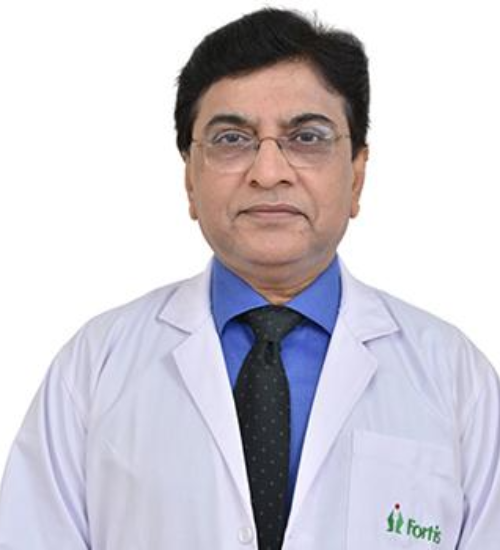
Dr. Hasmukh Ravat - Director – Cardiology

Dr. Hasmukh Ravat – Senior Interventional Cardiologist in Mumbai

Cardiology

Director – Cardiology

26 years

Fortis Hospitals

Mumbai

5.0★★★★★3 reviews

Dr. Hasmukh Ravat – Senior Interventional Cardiologist in Mumbai

Dr. Hasmukh Ravat is a senior Interventional Cardiologist and Director of Cardiology at Fortis Hospital, Mulund, Mumbai. He has extensive experience in the diagnosis and management of cardiovascular diseases, particularly coronary artery disease, peripheral vascular disorders and conditions requiring catheter-based cardiac interventions.

Dr. Ravat holds an MBBS, MD in Internal Medicine and DM in Cardiology. His medical education includes training at Seth G. S. Medical College and KEM Hospital, Mumbai, followed by advanced cardiology training. His professional background covers diagnostic and interventional cardiology, including coronary imaging and catheter-based cardiovascular procedures.

He has performed a large number of cardiac diagnostic and interventional procedures, with the Fortis profile reporting more than 12,000 procedures, including more than 4,000 coronary angioplasties. His principal clinical interests include coronary angioplasty, coronary stenting and complex interventions involving the heart and peripheral blood vessels.

Dr. Hasmukh Ravat has experience in renal and carotid angioplasty, pacemaker-related procedures and selected heart valve interventions. His clinical work also includes evaluation of cardiovascular conditions using investigations such as echocardiography, stress testing, cardiac catheterisation and coronary angiography.

He has participated in cardiology research and professional academic activities, with the Fortis profile reporting more than 50 published or presented academic contributions at national and international levels. His approach to patient care focuses on appropriate cardiovascular assessment, selection of treatment and long-term prevention of heart-related complications.

Patients seeking an Interventional Cardiologist in Mumbai for coronary artery disease, angioplasty, vascular interventions or other heart-related concerns can consult Dr. Hasmukh Ravat at Fortis Hospital, Mulund. Treatment availability and appointment arrangements should be confirmed directly with the hospital.

Other Information

Coronary Angiography

Coronary angiography is a diagnostic procedure that uses contrast dye and X-ray imaging to examine the arteries supplying blood to the heart. It helps identify narrowed or blocked coronary arteries. The findings support decisions about medical treatment, angioplasty or other forms of coronary intervention.

Coronary Angioplasty

Coronary angioplasty is a catheter-based procedure used to open narrowed or blocked coronary arteries. A balloon is positioned within the affected area and inflated to improve blood flow. A stent may also be placed, depending on the artery's condition and treatment requirements.

Coronary Stenting

Coronary stenting involves placing a small expandable scaffold inside a coronary artery to support blood flow following angioplasty. Drug-eluting stents are commonly used in suitable cases. Patients generally require appropriate antiplatelet treatment and follow-up to reduce the risk of complications.

Complex Coronary Angioplasty

Complex coronary angioplasty involves treating challenging coronary artery lesions, which may include calcified, long or anatomically difficult blockages. Specialised equipment and techniques may be needed. The procedural strategy depends on artery anatomy, clinical symptoms and the patient's cardiovascular risk profile.

Peripheral Angioplasty

Peripheral angioplasty is a minimally invasive procedure used to widen certain narrowed or blocked arteries outside the heart. It may be considered for selected patients with peripheral arterial disease. Treatment aims to improve circulation and is planned according to symptoms, vascular anatomy and medical suitability.

Renal Artery Angioplasty

Renal artery angioplasty treats selected cases of narrowing in arteries supplying the kidneys. A catheter-based balloon may be used, sometimes with stent placement. It is not appropriate for every renal artery narrowing, and careful evaluation of blood pressure, kidney function and clinical indications is required.

Carotid Artery Angioplasty

Carotid artery angioplasty is a catheter-based procedure used in selected patients with significant narrowing of an artery supplying blood to the brain. It may be combined with stent placement. The procedure requires evaluation of stroke risk, arterial anatomy and alternatives such as medical therapy or surgery.

Pacemaker Therapy

A pacemaker is an implanted electronic device used to help manage selected abnormal heart rhythms, particularly slow heart rates caused by conduction problems. Assessment includes reviewing symptoms, electrocardiograms and relevant investigations. Device selection and implantation depend on the specific rhythm disorder.

Balloon Valvuloplasty

Balloon valvuloplasty is a catheter-based procedure that widens certain narrowed heart valves. A balloon is placed across the affected valve and inflated to increase the opening. Its suitability depends on valve anatomy, the type of valve disease and clinical circumstances.

Balloon Mitral Valvotomy

Balloon mitral valvotomy is used for selected patients with rheumatic mitral valve narrowing. A catheter-delivered balloon is used to enlarge the valve opening. Suitability depends on the valve's structure, the presence of associated disease and the absence of certain contraindications.

Rotational Atherectomy

Rotational atherectomy is a specialised coronary procedure that uses a rotating device to modify severe calcium deposits within selected arterial blockages. It can facilitate balloon expansion and stent implantation. The technique is typically considered during complex coronary interventions after detailed anatomical assessment.

Cardiac Catheterisation

Cardiac catheterisation uses thin tubes introduced through blood vessels to assess or treat selected cardiovascular conditions. It can provide pressure measurements, angiographic imaging or access for interventional procedures. The technique chosen depends on the medical indication and the patient's cardiovascular findings.

Coronary Artery Disease Management

Coronary artery disease occurs when plaque accumulation narrows the vessels supplying the heart. Management may involve medication, lifestyle changes and catheter-based or surgical interventions when indicated. Treatment is selected according to symptoms, coronary anatomy and the patient's overall cardiovascular risk.

Preventive Cardiology

Preventive cardiology focuses on reducing the risk of heart disease and cardiovascular complications. Assessment may include blood pressure, cholesterol, diabetes status, smoking history and other risk factors. Management involves evidence-based lifestyle measures, appropriate medicines and monitoring according to individual cardiovascular risk.

Education & Qualifications

MBBS, MD (Internal Medicine), DM (Cardiology)

Services

Coronary Angiography, Coronary Angioplasty, Coronary Stenting, Complex Coronary Angioplasty, Peripheral Angioplasty, Renal Artery Angioplasty, Carotid Artery Angioplasty, Pacemaker Procedures, Balloon Valvuloplasty, Balloon Mitral Valvotomy, Rotational Atherectomy, Cardiac Catheterisation, Echocardiography, Cardiac Stress Testing, Coronary Artery Disease Management, Peripheral Artery Disease Management, Heart Valve Disease Assessment, Preventive Cardiology.

Patient Testimonials

What Patients Say About Dr. Hasmukh Ravat

Genuine patient experiences and treatment feedback.

5.0
3 reviews
S

Suresh Kulkarni

Verified

Powai • Peripheral Angioplasty Consultation

5.0

Understanding Peripheral Artery Treatment

I approached Dr. Hasmukh Ravat to discuss circulation-related symptoms and possible peripheral arterial disease. The consultation covered vascular assessment and different treatment approaches. It helped me understand why the decision to perform angioplasty depends on symptoms and artery findings.

A

Anjali Shah

Verified

Thane • Thane

5.0

Helpful Explanation of Heart Investigations

I visited Dr. Hasmukh Ravat to discuss whether coronary angiography might be recommended for cardiac symptoms. The discussion explained its diagnostic purpose and the importance of medical assessment. The illustrative appointment helped me understand the difference between identifying a blockage and treating one.

R

Rajesh Desai

Verified

Mulund • Coronary Angioplasty Consultation

5.0

Coronary Angioplasty Consultation

I consulted Dr. Hasmukh Ravat to understand possible treatment options for narrowed coronary arteries. The illustrative consultation covered angiography findings and factors affecting the decision to perform angioplasty. It helped me prepare questions about medicines, procedures and follow-up care.

Frequently Asked Questions

Quick answers to common questions about Dr. Hasmukh Ravat

01

What does Dr. Hasmukh Ravat specialise in?

Dr. Hasmukh Ravat specialises in Interventional Cardiology, including coronary angioplasty, peripheral vascular interventions and other catheter-based heart procedures.

02

What qualifications does Dr. Hasmukh Ravat have?

He holds MBBS, MD (Internal Medicine) and DM (Cardiology) qualifications.

03

How many years of experience does Dr. Hasmukh Ravat have?

Fortis reports 26 years, while a supplementary medical listing reports 44+ years. The difference should be confirmed before publication.

04

Does Dr. Hasmukh Ravat perform coronary angioplasty?

Yes. Coronary angioplasty is among his principal documented areas of expertise, and Fortis reports more than 4,000 angioplasty procedures.

05

Does Dr. Hasmukh Ravat treat peripheral artery disease?

Yes. His experience includes catheter-based procedures for peripheral, renal and carotid artery conditions.

Still have questions about Dr. Hasmukh Ravat?

Contact us for personalized help or to schedule an appointment.