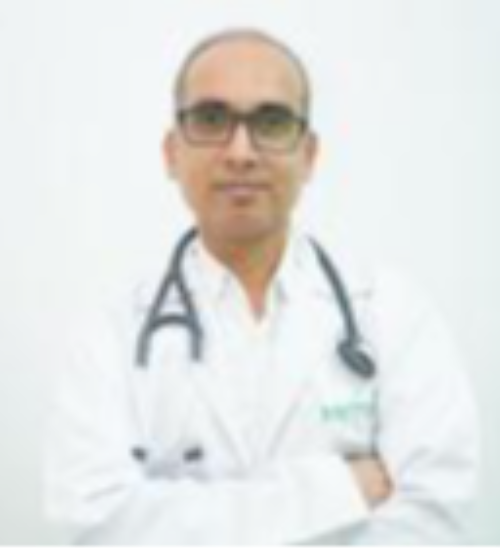
Dr. Prokash Chandra Bagchi - Consultant – Interventional Cardiology

Dr. Prokash Chandra Bagchi – Interventional Cardiologist and Heart Specialist in Kolkata

Cardiology

Consultant – Interventional Cardiology

10 years

Fortis Hospitals

Kolkata

5.0★★★★★3 reviews

Dr. Prokash Chandra Bagchi – Interventional Cardiologist in Kolkata

Dr. Prokash Chandra Bagchi is an Interventional Cardiologist associated with Fortis Hospital Anandapur and BM Birla Heart Hospital in Kolkata. He has over a decade of specialised cardiology experience and expertise in minimally invasive cardiovascular procedures, complex coronary interventions and cardiac device implantation.

He holds MBBS, MD in Medicine and DM in Cardiology qualifications. His professional background includes service in the West Bengal Health Service between 2006 and 2019, followed by work as a faculty member in the West Bengal Medical Education Service.

Dr. Bagchi has performed more than 5,000 interventional cardiology procedures according to his hospital profiles. His experience includes coronary angiography, coronary angioplasty, peripheral vascular procedures, pacemaker implantation and advanced cardiac device therapies.

He specialises in complex and high-risk coronary angioplasty, including primary percutaneous coronary intervention, chronic total occlusion interventions, left main coronary artery angioplasty and multivessel PCI. These procedures are considered for selected patients with significant coronary artery disease.

His expertise also includes structural heart interventions such as atrial septal defect closure, ventricular septal defect closure, patent ductus arteriosus closure, ruptured sinus of Valsalva device closure and balloon valvuloplasty. He also performs electrophysiology studies and selected cardiac ablation procedures.

Dr. Prokash Chandra Bagchi provides specialist cardiac evaluation and treatment for patients with coronary artery disease, heart attacks, heart failure, rhythm disorders, hypertension and structural heart conditions. His clinical practice incorporates catheter-based interventions and advanced cardiac device therapies according to individual patient requirements.

Other Information

Coronary Angiography

Coronary angiography is a diagnostic procedure used to examine the arteries supplying blood to the heart. A catheter and contrast dye are used with X-ray imaging to identify narrowing or blockages. The findings help determine whether medication, angioplasty or another treatment is appropriate.

Coronary Angioplasty

Coronary angioplasty is a minimally invasive treatment used to widen selected narrowed or blocked coronary arteries. A balloon catheter is positioned at the affected site, and a stent may be inserted to maintain blood flow. Treatment depends on the severity and location of coronary disease.

Primary PCI for Heart Attack

Primary percutaneous coronary intervention is an emergency catheter-based treatment used for certain types of heart attack, particularly ST-elevation myocardial infarction. It aims to reopen the blocked coronary artery and restore blood flow to the affected heart muscle as quickly as possible.

Chronic Total Occlusion PCI

Chronic total occlusion PCI is a specialised angioplasty procedure used to treat coronary arteries that have been completely blocked for an extended period. The intervention may require advanced guidewire techniques and specialised equipment. Suitability depends on symptoms, coronary anatomy and procedural risk.

Left Main Coronary Artery Angioplasty

Left main coronary angioplasty treats significant narrowing in the artery supplying a large portion of the heart muscle. It requires careful assessment of the coronary anatomy and overall cardiovascular condition. Treatment decisions may involve comparing catheter-based intervention with coronary bypass surgery.

Multivessel Coronary Angioplasty

Multivessel PCI addresses significant blockages affecting more than one coronary artery. Treatment may be performed during one or multiple procedures depending on the patient's condition. The decision considers disease complexity, heart function, associated illnesses and alternative treatment options.

Permanent Pacemaker Implantation

Pacemaker implantation involves placing an electronic device that helps maintain an appropriate heart rate in selected patients with slow heart rhythms or conduction abnormalities. The device delivers electrical impulses when needed. Implantation is recommended according to symptoms and documented rhythm findings.

AICD Implantation

An automatic implantable cardioverter-defibrillator monitors heart rhythm and can deliver therapy for certain life-threatening ventricular arrhythmias. It may be considered for selected patients at increased risk of sudden cardiac death. Patient eligibility depends on heart function, rhythm history and clinical criteria.

CRT-P and CRT-D Implantation

Cardiac resynchronisation therapy uses specialised pacing devices to improve coordination between the heart's ventricles in selected patients with heart failure. CRT-P provides pacing therapy, while CRT-D also includes defibrillation capability. Device selection depends on individual clinical indications.

Left Bundle Branch Area and LOT-CRT Pacing

Conduction system pacing techniques aim to stimulate the heart's natural electrical pathways more directly. Left bundle branch area pacing and left bundle branch-optimised cardiac resynchronisation therapy may be considered in selected patients requiring advanced pacing strategies. Suitability depends on cardiac anatomy and electrical findings.

ASD and VSD Device Closure

Atrial septal defects and ventricular septal defects are openings in the walls separating heart chambers. Selected defects may be closed using catheter-delivered devices rather than open surgery. Treatment depends on the defect's size, location, surrounding structures and effect on circulation.

PDA and RSOV Device Closure

Patent ductus arteriosus and ruptured sinus of Valsalva are structural cardiovascular conditions that may be suitable for catheter-based closure in selected patients. Specialist imaging and haemodynamic assessment help determine whether a closure device is appropriate or whether surgery is required.

Balloon Valvuloplasty

Balloon valvuloplasty is a catheter-based procedure used to widen selected narrowed heart valves. A balloon is positioned across the affected valve and inflated to improve opening. Suitability depends on valve anatomy, the type of valve disease and the patient's clinical condition.

Electrophysiology Study

An electrophysiology study evaluates the heart's electrical activity using specialised catheters. It may help identify the cause of certain abnormal heart rhythms and guide treatment decisions. The procedure is performed when non-invasive rhythm investigations do not provide sufficient information or intervention is being considered.

Cardiac Catheter Ablation

Cardiac catheter ablation treats selected abnormal heart rhythms by targeting small areas of tissue responsible for faulty electrical signals. The procedure uses specialised catheters and energy delivery techniques. Success and suitability vary according to the arrhythmia and underlying heart condition.

Peripheral Angiography and Angioplasty

Peripheral angiography evaluates blood vessels outside the heart using catheter-based imaging. When a significant narrowing is identified, angioplasty may be considered to improve circulation. Treatment depends on symptoms, vascular anatomy, associated medical conditions and the expected benefit of intervention.

Education & Qualifications

MBBS, MD (Medicine), DM (Cardiology)

Services

Coronary angiography, coronary angioplasty, primary PCI, chronic total occlusion PCI, left main coronary artery PCI, multivessel PCI, pacemaker implantation, AICD implantation, CRT-P implantation, CRT-D implantation, LOT-CRT, ASD device closure, VSD device closure, PDA device closure, RSOV device closure, balloon valvuloplasty, electrophysiology studies, cardiac ablation, peripheral angiography and angioplasty.

Patient Testimonials

What Patients Say About Dr. Prokash Chandra Bagchi

Genuine patient experiences and treatment feedback.

5.0
3 reviews
S

Souvik Ghosh

Verified

Salt Lake • Salt Lake

5.0

Understanding Complex Coronary Blockages

In this fictional example, I visited Dr. Prokash Chandra Bagchi to understand a completely blocked coronary artery. The consultation covered specialised angioplasty techniques, treatment alternatives and the importance of evaluating procedural risks.

M

Moumita Sen

Verified

Howrah • Pacemaker Consultation

5.0

Information About Heart Rhythm Treatment

This illustrative consultation describes a discussion about a slow heart rhythm and possible pacemaker implantation. Dr. Prokash Chandra Bagchi explained how rhythm monitoring and clinical symptoms help determine whether a permanent pacing device is necessary.

A

Arindam Roy

Verified

Kolkata • Kolkata

5.0

Understanding Angioplasty Treatment

In this fictional scenario, I consulted Dr. Prokash Chandra Bagchi regarding coronary artery disease. The consultation included an explanation of angioplasty, stent placement and the importance of reviewing coronary imaging before choosing a treatment approach.

Frequently Asked Questions

Quick answers to common questions about Dr. Prokash Chandra Bagchi

01

Who is Dr. Prokash Chandra Bagchi?

Dr. Prokash Chandra Bagchi is an Interventional Cardiologist associated with Fortis Hospital Anandapur and BM Birla Heart Hospital, Kolkata.

02

What are his qualifications?

He holds MBBS, MD in Medicine and DM in Cardiology.

03

How many years of experience does he have?

Fortis reports 10 years, while BM Birla reports 12+ years. The precise figure should be confirmed before publication.

04

Fortis reports 10 years, while BM Birla reports 12+ years. The precise figure should be confirmed before publication.

Yes. His documented experience includes coronary angioplasty, complex PCI and high-risk coronary interventions.

05

Does he perform pacemaker and AICD implantation?

Yes. Both pacemaker implantation and AICD implantation are included in his hospital profiles.

Still have questions about Dr. Prokash Chandra Bagchi?

Contact us for personalized help or to schedule an appointment.